Introduction
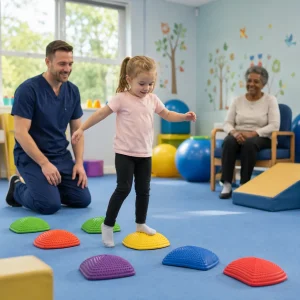
The way a child moves, plays and joins in with others tells us a great deal about how they feel inside. Physical confidence in children does far more than build strong bodies. It shapes the friendships they form, the activities they try and the way they see themselves within a group. When a child feels at ease in their body, they tend to step into social situations with greater willingness. This guide explores the link between movement and social development, the signs of low physical confidence and the practical ways UK families can support their child’s growth, including when paediatric therapy can make a meaningful difference.
What Physical Confidence Really Means
Physical confidence is a child’s belief in their ability to move, play and take part in physical activities without fear or hesitation. It grows from successful experiences with the body, from climbing a frame to kicking a ball or joining a playground game. Each small success adds to a growing sense of capability that children carry quietly into new challenges, new environments and new friendships.
The Link Between Movement and Social Skills
How movement affects social skills in children is often underestimated. Children rarely socialise sitting still. Friendships form through shared games, running around together, taking turns on the slide and learning to negotiate space in busy environments. When a child feels competent in these moments, they engage more freely. When movement feels difficult, the social side often suffers too.
Play Is the Social Currency of Childhood
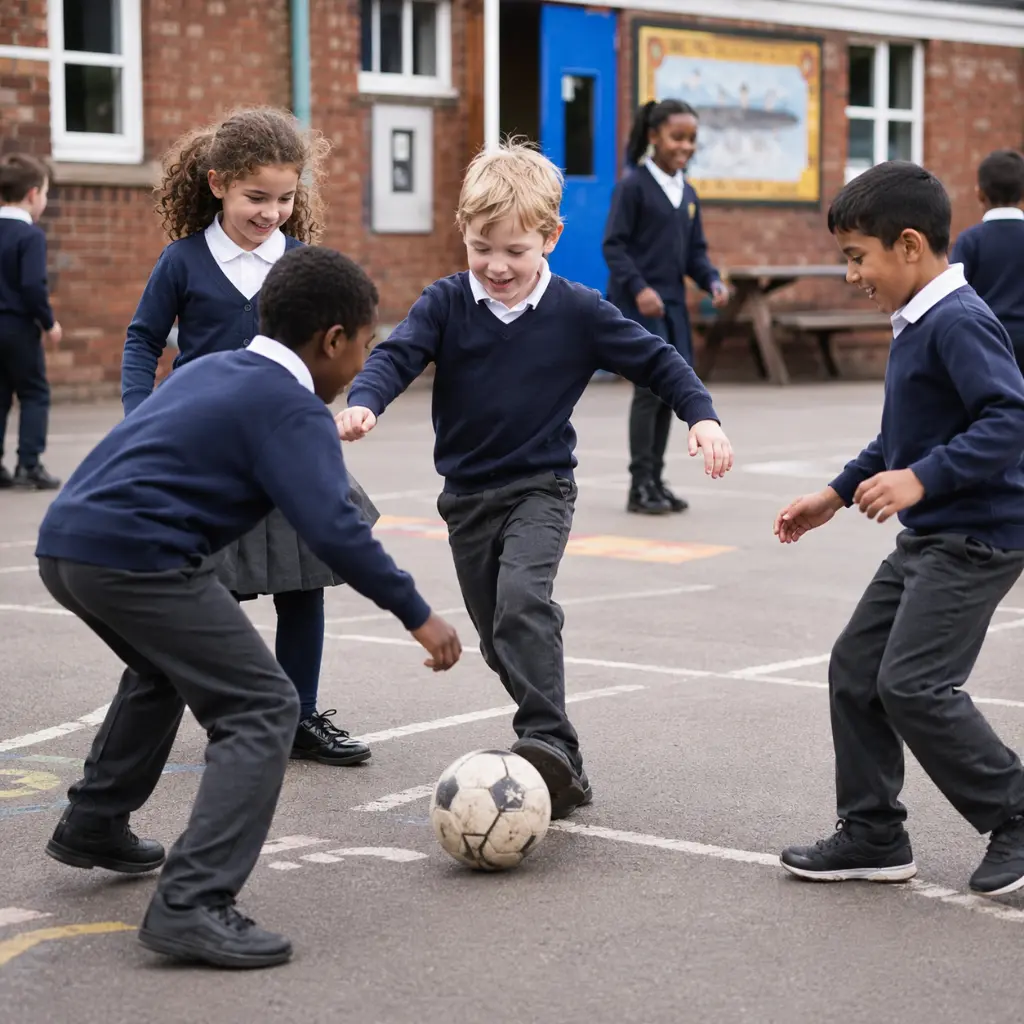
Physical play is how young children connect, communicate and build early relationships. Chasing games, ball play, and pretend adventures all involve coordination, balance and quick body awareness. Children who can keep up with the play, both literally and physically, tend to find joining in much easier.
Shared Movement Builds Belonging
Group games, dance, sport and active play create a sense of belonging. Moving together, laughing together, and even falling over together strengthen bonds between children. Physical confidence opens the door to these shared moments rather than leaving a child on the edge of them.
Body Language Communicates Ease
Children read each other’s body language long before they understand spoken nuance. A child who stands tall, moves smoothly and joins in with energy gives off signals of approachability. A child who looks unsure or holds back may unintentionally seem less open to interaction, even when they really want to play.
How Physical Skills Affect Social Development
Physical skills influence social development in ways that show up across the school day, in the playground and at home with siblings.
Confidence Encourages Initiation
Children with physical confidence are more likely to ask a peer to play, suggest a new game or invite a classmate to join their team. Initiating play is a vital social skill, and it grows naturally when a child trusts their own movement.
Building Resilience Through Movement
Falling over, being tagged out or losing a race are all part of childhood. A physically confident child usually bounces back with humour and tries again. A less certain child may take these small setbacks personally and withdraw from future play.
Active Play Strengthens Communication Skills
Active games are full of communication, from calling for the ball to negotiating rules. When children feel sure of themselves physically, they speak up more during play. This in turn strengthens spoken communication, listening and turn taking skills.
Physical Capability Builds a Positive Self Image
By school age, many children begin to notice differences between themselves and their peers. Your child stepping back from active play, sport, or playground games builds a quiet sense of belonging within their social group. Supporting this early matters, because a positive physical self image tends to strengthen a child’s willingness to try, connect and persist across many areas of life beyond movement alone.
Why Some Children Struggle With Physical Confidence
Physical Discomfort and Pain
Physical discomfort is one factor that often goes unnoticed. Children experiencing hip pain, for example, may pull back from active play not because of low confidence but because movement genuinely hurts. Over time, this can have the same social effect.
Differences in Motor Development
Some children develop coordination, balance and motor planning skills more slowly than their peers. This can make running, jumping, and ball games feel harder, which knocks confidence over time.
Limited Opportunities for Active Play
Children who have had fewer chances to climb, swing, balance, and tumble may simply need more time and exposure. Confidence grows through repeated, enjoyable experiences in active settings.
Sensory or Body Awareness Differences
Children with sensory processing differences or reduced body awareness may feel less sure of where their body is in space. This can make group play, particularly fast moving games, feel overwhelming rather than fun.
Early Negative Experiences
A fall, a moment of embarrassment in PE or a difficult experience in a sports club can leave a lasting mark. Some children carry caution forward into new activities long after the original event.
Practical Ways to Build Physical Confidence at Home
Confidence grows steadily through small, positive experiences. UK families can support this in everyday ways without needing specialist equipment or long sessions.
Make Movement Part of Daily Life
Walking to school, cycling at weekends, dancing in the kitchen and playing in the garden all build movement confidence. Children benefit from regular, varied activity woven into the rhythm of family life.
Focus on Effort Rather Than Outcome
Praising, trying, persisting and having a matter far more than praising winning or being best. This kind of encouragement helps children take risks and keep going when something feels hard.
Choose Activities That Suit Your Child
Not every child enjoys team sport, and not every child loves gymnastics. Some thrive in swimming, climbing, martial arts or dance. Finding the right fit helps confidence grow far faster than pushing an activity that does not feel natural.
Allow Time for Free Play
Unstructured play in parks, gardens and woodland gives children space to test their bodies on their own terms. This kind of play is often where deep movement confidence is built.
Celebrate Small Wins
Climbing a little higher, balancing for a little longer or finally catching the ball are all worth noticing. Pointing out these wins helps children build a sense of progress that fuels further confidence.
How Paediatric Therapy Supports Physical Confidence
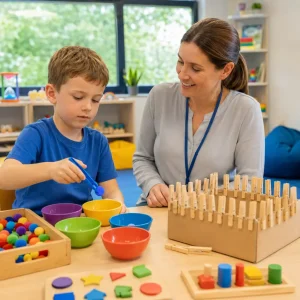
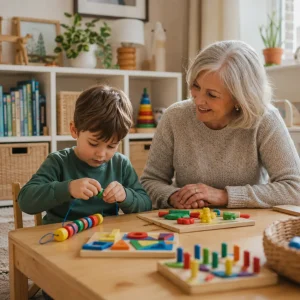
When physical confidence is holding a child back, paediatric therapy can offer real, practical support. A paediatric physiotherapist or occupational therapist assesses coordination, balance, strength, motor planning and body awareness to build a full picture. From there, a tailored plan helps the child develop skills through play based activities suited to their age and interests. Working with families, nurseries and schools, therapy supports both the physical and the social side of development. PT Kids offers this support across the UK with a focus on practical, family centred care.
Conclusion
The connection between how a child moves and how they connect with others runs deeper than many parents realise. Small, consistent steps at home, such as choosing activities that suit your child, praising effort over outcome and allowing plenty of free play, help build movement confidence that quietly opens social doors. Progress is rarely dramatic, but it is often steady over time. If physical uncertainty is holding your child back from friendships or group play, a paediatric assessment with PT Kids can help identify the underlying challenges and provide practical, family centred support.
[wpcode id=”3873″]