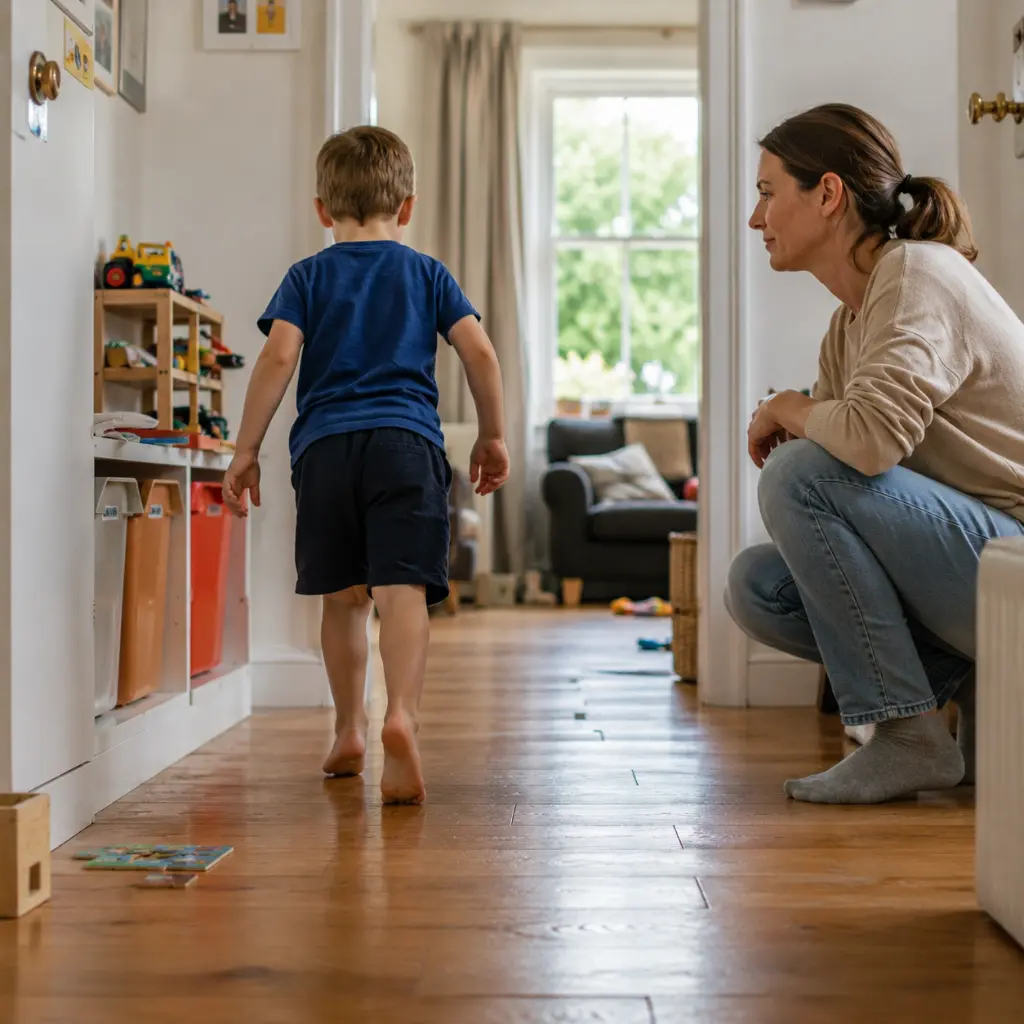
Some toddlers walk on their toes while they learn. Persistent toe walking — especially after age two to three — deserves a specialist look.
No GP referral required. Families, case managers and solicitors are welcome to contact us directly.
Real feedback from the families we support with paediatric physiotherapy across Yorkshire, Lincolnshire, Nottinghamshire and Derbyshire.
EXCELLENT Based on 11 reviews
 Posted on Google
 TomOur son Louie, who is now 10, has been a client of Dan’s for several years. From the very beginning, Louie formed an instant connection with him, which was incredibly reassuring for us as parents, and it quickly became clear that involving Dan in Louie’s care was absolutely the right decision. Dan leads with genuine love, care, encouragement and support, whilst also bringing a huge wealth of knowledge and expertise to every session. At every stage and age, Louie has always looked forward to Dan coming, and each session is filled with fun and laughter whilst still delivering an incredibly effective physiotherapy routine. Through Dan’s support, Louie has achieved many milestones and continues to make constant progress. Dan has always taken the time to truly understand Louie, recognising both his strengths and the areas he needs support with, and consistently helps him work towards reaching his full potential. He also works closely with us as a family, listening to our goals for Louie and creating a completely bespoke plan tailored specifically to his needs.Posted on Google
 Rachel BellWe have been working with Dan at PT Kids for around six years, after deciding to seek private physiotherapy because we felt the NHS provision was not meeting our son’s needs. It is one of the best decisions we have made. The relationship Dan has built with our son is truly wonderful. His calm, patient and approachable manner immediately puts both children and families at ease, creating a safe and comfortable environment where progress can really happen. Dan’s approach is completely bespoke and centred around the individual needs of the child and family. Sessions are always fun and engaging, while still physically challenging and encouraging our son to achieve more than we ever thought possible. The progress in both his physical abilities and confidence has been unbelievable. Communication is always fluid and responsive to our son’s ever-changing needs, and Dan consistently goes above and beyond to support him. He works seamlessly with the other professionals involved in our son’s care and has attended EHCP meetings, providing invaluable input and advocacy throughout. We cannot recommend Dan and PT Kids highly enough.Posted on Google
 MFantastic Dan is excellent . Highly recommend him. Thank you Malik .Posted on Google
 Charlotte AtkinsonDan and all the team at PT Kids are experienced, intuitive, open minded and diligent. They want the best for the children they work with and go above and beyond to achieve this. There are always open channels of communication, as children don't stay the same for long and that relationship is imperative for all concerned. I would recommend them unreservedly and feel lucky to have them on my son's therapy team! 😊Posted on Google
 Vicky HoltDan has worked with our daughter for many years now. They have a great relationship and he always makes the sessions fun and engaging, whilst ensuring that she is being challenged. Highly recommend Dan and PT Kids.Posted on Google
 hanna roseWe have been using this physio company for the past six years for my son, and I can honestly say I wouldn’t trust anyone else with his care. From day one, they have gone above and beyond—not just for my son, but for our whole family. Their approach is warm, compassionate, and completely tailored to his individual needs. They take the time to really understand him, which has made such a difference in his progress and confidence over the years. What truly sets them apart is the level of support they provide. There is always a professional on hand to offer advice, guidance, and reassurance whenever we need it. Whether it’s answering questions, liaising with other professionals, or adapting plans as things change, they are consistently responsive and proactive. They work seamlessly with other services involved in his care, making everything feel joined-up and far less stressful for us as parents. It’s clear they genuinely care—not just about outcomes, but about the wellbeing of the entire family. The consistency, dedication, and expertise they bring is second to none. We’ve built such a strong relationship with the team over the years, and they have become a trusted and invaluable part of our support network. I truly can’t recommend them highly enough.Posted on Google
 jane astillWe have been using Dan for a number of years. He came highly recommended and I cannot fault what he does! He’s professional, knowledgeable and very passionate about his work. My son has an excellent relationship with him and he honestly couldn’t have come this far without him! We love you Dan #teamhPosted on Google
 Hayley GoodyearDan has worked with my son for over 8 years. From the very beginning, he brought a calm and reassuring presence that put both my son and our family at ease. Dan is endlessly patient, never rushing sessions and always taking the time to work at my son’s pace. Despite his calm nature Dan has really supported us to challenge the NHS and statutory services to ensure his needs are being met. Over the years, Dan has built a strong sense of trust with us, and my son feels safe and comfortable during sessions which helps him to focus much more. Dan is also incredibly reliable, someone we’ve been able to depend on without question. Most importantly, Dan has made a real difference. Through his dedication and understanding, we’ve seen meaningful improvements in my son’s condition and confidence, especially with walking. We’re truly grateful for everything he has done for our family and cannot recommend Dan enough!!Posted on Google
 Beth FisherWe have used PT Kids now for approximately 4.5 years. We have been so impressed with the service they offer. Our son has physio every 2 weeks and this initially started in our home and then progressed to sessions in nursery and school. We felt we weren't getting sufficient frequent physio on the NHS and PT kids have provided that regular, specialist and consistent physio, whilst being willing to work alongside, in conjunction with the NHS services. PT kids work on general physio and also specific tasks and goals. They have been helpful providing advice and support on numerous issues and we have a great working relationship with them. PT kids are willing to work with families and understand the importance of the role they play and work hard to build trust and get results. We value their opinion and input which provides consistency and hands on therapy. Our son's physio is Dan, Dan is friendly, kind and a great physio. He has built a great relationship with our son, so our son feels comfortable and confident to work with him and they always have fun whilst working hard. We highly recommend PT kids.Posted on Google
 Joanne SmithDan is an outstanding paediatric physiotherapist - professional, knowledgeable and compassionate. He has supported our daughter for over 10 years, always taking the time to discuss joint goals and ensure we understand the plan. Dan brings consistently great ideas and practical techniques that make a real difference. Highly recommend.
Intermittent toe walking can appear as children explore balance and speed, and many grow out of it. It becomes more concerning when it is persistent most of the time, one-sided, linked to stiffness, delay or pain, or continues well past the toddler years.
Calf length and ankle movement, and whether heels can reach the floor in standing.
Lower limb strength, balance and how confidently your child moves and changes direction.
Gait observed over distance, looking for asymmetry and how heel contact changes with speed.
Sensory or neurological contributors, where they are relevant to the pattern we see.
Advice on shoes, insoles and orthotics — where they will genuinely make a difference.
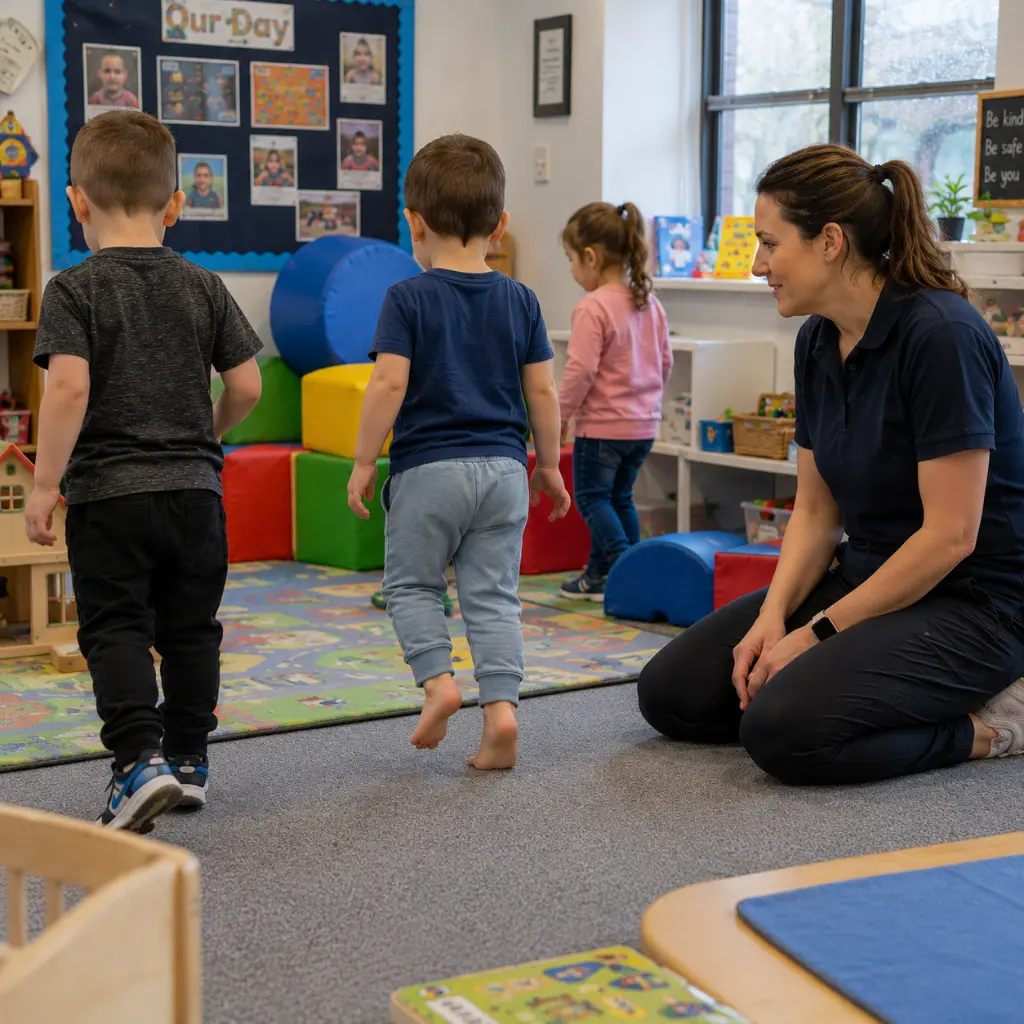
Early advice can stop a habit becoming harder to change — and often reassures families that nothing more is needed.
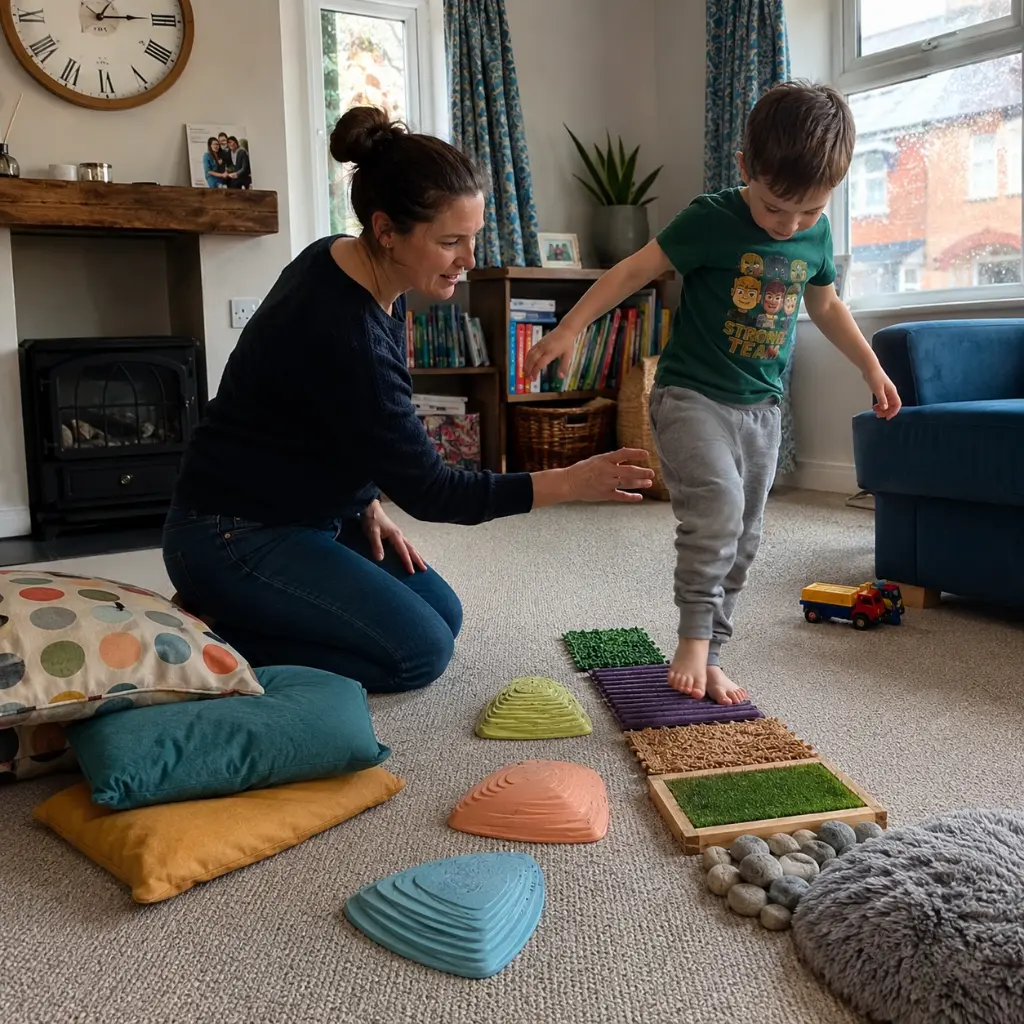
We assess the cause first, then treat it — with a home programme you can follow confidently between sessions.
Range of movement, strength, balance and walking pattern, plus sensory or neurological factors where relevant.
Stretching, strengthening and gait practice, with footwear or orthotic advice where it is useful.
A short, realistic set of exercises and activities you can keep going between appointments.
Common questions about tiptoe walking — when it matters, and what treatment actually involves.
Related guides: Plagiocephaly · SDR rehabilitation · Self-referral · Fees & what to expect · Who we help
Short bursts can be normal in early walkers. Persistent toe walking after about age 2–3 should be assessed by a children’s physiotherapist or doctor.
Seek advice if it is constant, one-sided, painful, linked to tight calves, or paired with delayed milestones or frequent falls.
Yes. Assessment identifies the cause; therapy and home exercises often improve heel contact, strength and walking confidence.
Not for PT Kids — you can self-refer. We may still suggest GP or paediatric follow-up if medical review is needed.
History, observation of walking and play, hands-on assessment, and a clear plan discussed with you.
Consider an assessment if toe walking continues beyond age 2–3, your child cannot keep their heels down when standing, walking looks asymmetrical, or there are wider developmental concerns.
Tell us what you are seeing and we will advise whether an assessment is worth booking.
No GP letter required. Families, case managers and solicitors all welcome — we respond within 48 hours.
Call 07557 537203 · Email hello@ptkids.co.uk
