Introduction
If you have watched your little one trip over their own feet, bump into the furniture, or send a cup flying at teatime, you may have quietly asked yourself Why is my child clumsy. It is one of the most common questions parents share with us.
Here is what is easy to miss at the moment: coordination is a skill, and like any skill it develops gradually and unevenly. It is one of the most common concerns parents bring to our specialist paediatric team, so this guide explains what is happening as your child finds their feet, and shares warm, practical ways to support them.
What growing coordination really looks like
Coordination is a wonderfully complex thing. To catch a ball or pour a drink, a child has to combine balance, body awareness, timing, vision and strength all at once, then repeat it smoothly.
That is a tall order for a growing body, so plenty of practice is needed before it becomes second nature. Tripping, misjudging distances and knocking things over are simply signs that these systems are still learning to work together.
Every child builds this at their own pace. Some race ahead with running and climbing, others take their time, and both are perfectly normal parts of development.

Everyday reasons behind clumsiness in children
There is rarely a single explanation, and most often it is nothing to be concerned about. A quick growth spurt, for instance, can leave a child briefly adjusting to longer arms and legs that no longer move quite as expected.
Tiredness, excitement, and simply moving too fast to concentrate all play their part too. Children are also natural risk-takers, happily attempting things just beyond their current skill, which leads to plenty of tumbles along the way.
Sometimes a child is still building the underlying foundations, such as core strength, balance or body awareness, that make movements feel effortless. These are exactly the areas that gentle, playful activity helps to develop.
How a clumsy toddler builds steadier movement
The toddler years are a whirlwind of new physical skills, and a little unsteadiness comes with the territory. Walking, running, climbing and carrying are all being learned more or less at once.
The best support at this age is simply lots of safe, active play. Clambering over cushions, walking along a low kerb with a hand held, and carrying light objects from room to room all build balance and strength beautifully.
If your toddler has been having more frequent tumbles and you would like to understand it better, our article on what can lie behind regular trips and falls offers a helpful, in-depth look.
Playful activities when your child is clumsy
Helping coordination along does not mean drills or exercises. It means encouraging enjoyable activities that get the whole body moving and thinking at the same time.
Obstacle courses are brilliant, mixing crawling, stepping, balancing and ducking into one giggling adventure. Ball games encourage timing and hand-eye coordination, while hopscotch, animal walks and dancing all build balance and rhythm.
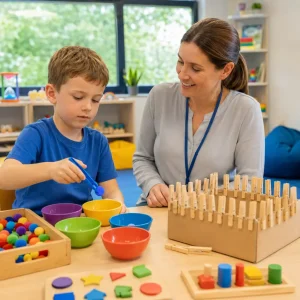
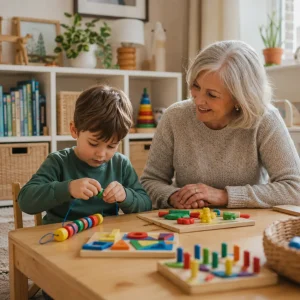
For steadier hands, threading, building and playdough develop the finer control behind pouring and dressing. These playful activities also strengthen the small muscles of the hands, making everyday tasks like holding a pencil, using scissors and fastening buttons feel easier over time. Rotating through a handful of different activities keeps things fresh while helping children develop a wide range of movement skills.
Helping a clumsy child grow in confidence
Movement and confidence grow hand in hand, so how a child feels about being active matters just as much as the skills themselves. A child who enjoys having a go will naturally get more practice.
That is why celebrating effort rather than results is so valuable. Cheering the attempt, keeping activities pressure-free, and choosing challenges that are achievable all help your child stay keen and willing to try.
A gentle real-life example: Many families notice that confidence grows alongside coordination when playful movement becomes part of everyday life.

When a friendly check can help
Most of the time, coordination steadily improves with growth and play, and there is nothing that needs doing beyond enjoying active days together. Even so, it is always fine to seek reassurance if you would like it.
A friendly assessment can be helpful if everyday tasks such as dressing, using cutlery or joining in at playtime feel consistently effortful for your child, or if you notice they tend to avoid physical activities they once enjoyed. Our specialist team can look at the whole picture, from strength and balance to body awareness, and share activities matched to your child.
You can read how physiotherapy supports movement and coordination, find out how occupational therapy builds everyday physical skills, or explore the support we offer families to see how getting started works.
Conclusion
Coordination is built one wobble at a time. The trips and spills that prompt the question “why is my child clumsy” are usually just the visible edge of a body busily learning to balance, judge and move with control.
Give your child room to climb, tumble, race and try again, and cheer the attempts far louder than you mourn the knocked-over cups. That freedom to have a go, without fear of getting it wrong, is what steadier movement is made of, and if you would ever like a specialist eye on your child’s progress, PT Kids is here for exactly that.