
How OT Supports Night Time Anxiety and Night Waking in Children
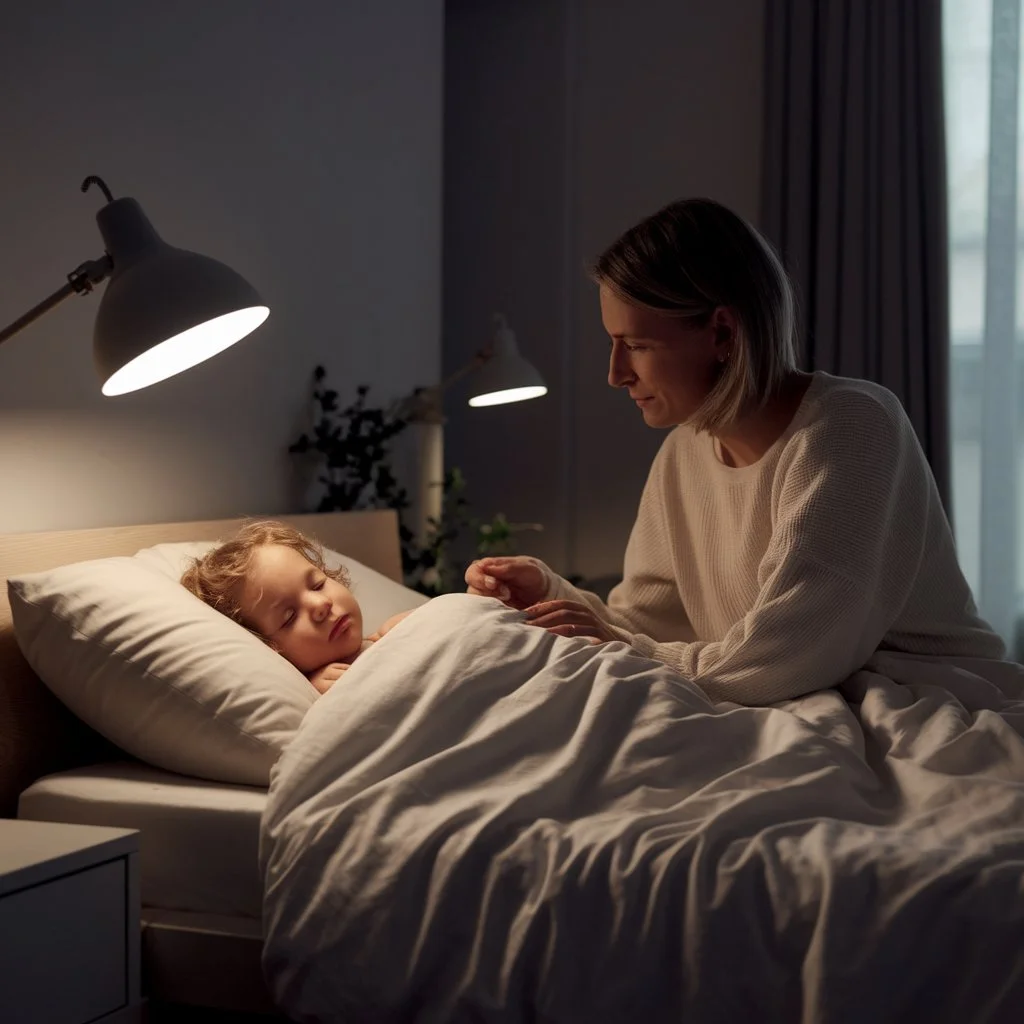
Introduction Night-time anxiety is something many parents quietly struggle with, especially when a child wakes repeatedly during the night or becomes distressed at bedtime. While occasional night waking is a normal part of childhood, ongoing anxiety at night can leave children feeling unsettled and families exhausted. Parents often notice worries escalating once the house becomes […]
Why Some Children Avoid Group Play and Prefer Playing Alone

Introduction Children engage in play in different ways, with some preferring independent play and others seeking out group activities. When children avoid group play, it can raise questions about confidence, friendships, and whether something might be wrong. This concern often increases once children start nursery or primary school, where group learning and social interaction become […]
Why Children Struggle to Sit Still and Maintain Desk Posture
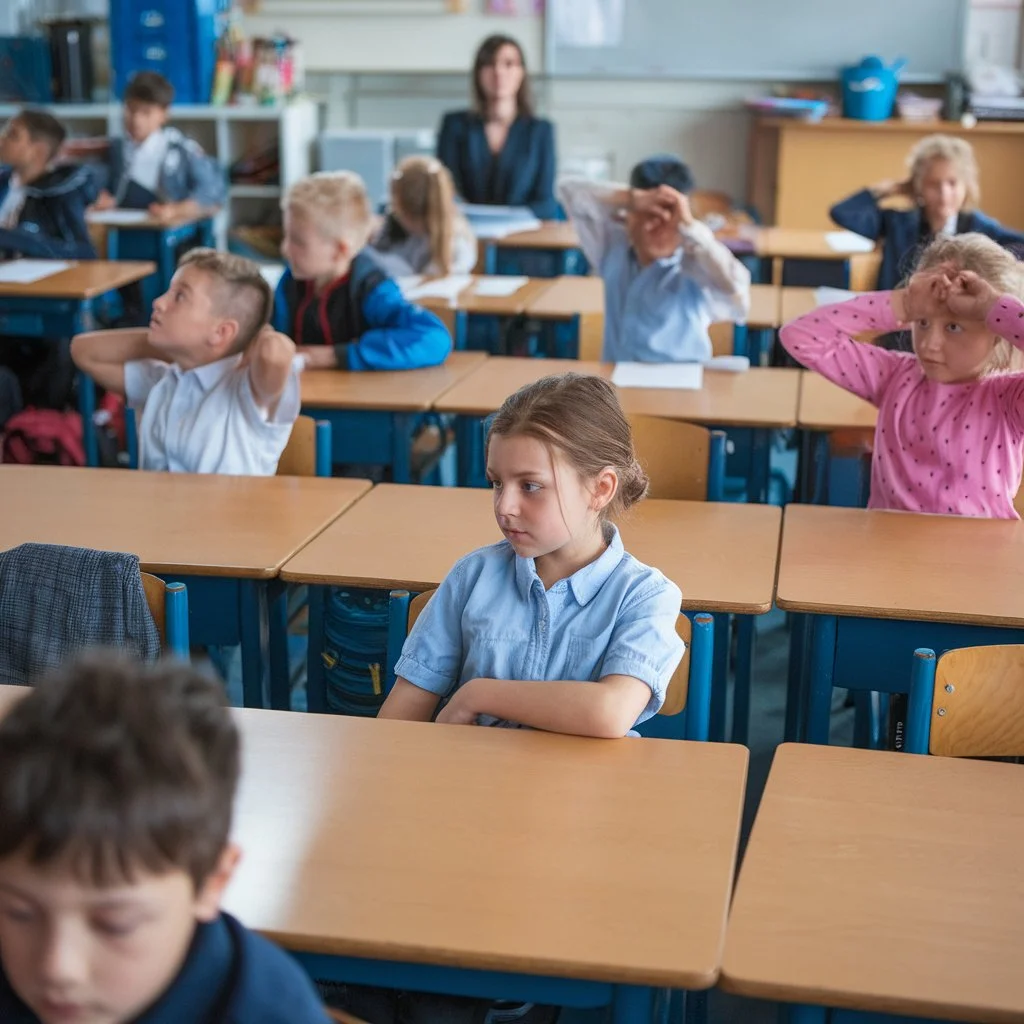
Introduction Children who frequently shift, slump, or leave their seat during learning activities are not necessarily being inattentive. When a child is struggling to sit still, it’s easy to assume they’re distracted or not trying hard enough. In reality, staying seated with good posture is a complex skill that relies on strength, coordination, sensory regulation, […]
Meltdowns vs Tantrums: What OTs Want Parents to Know
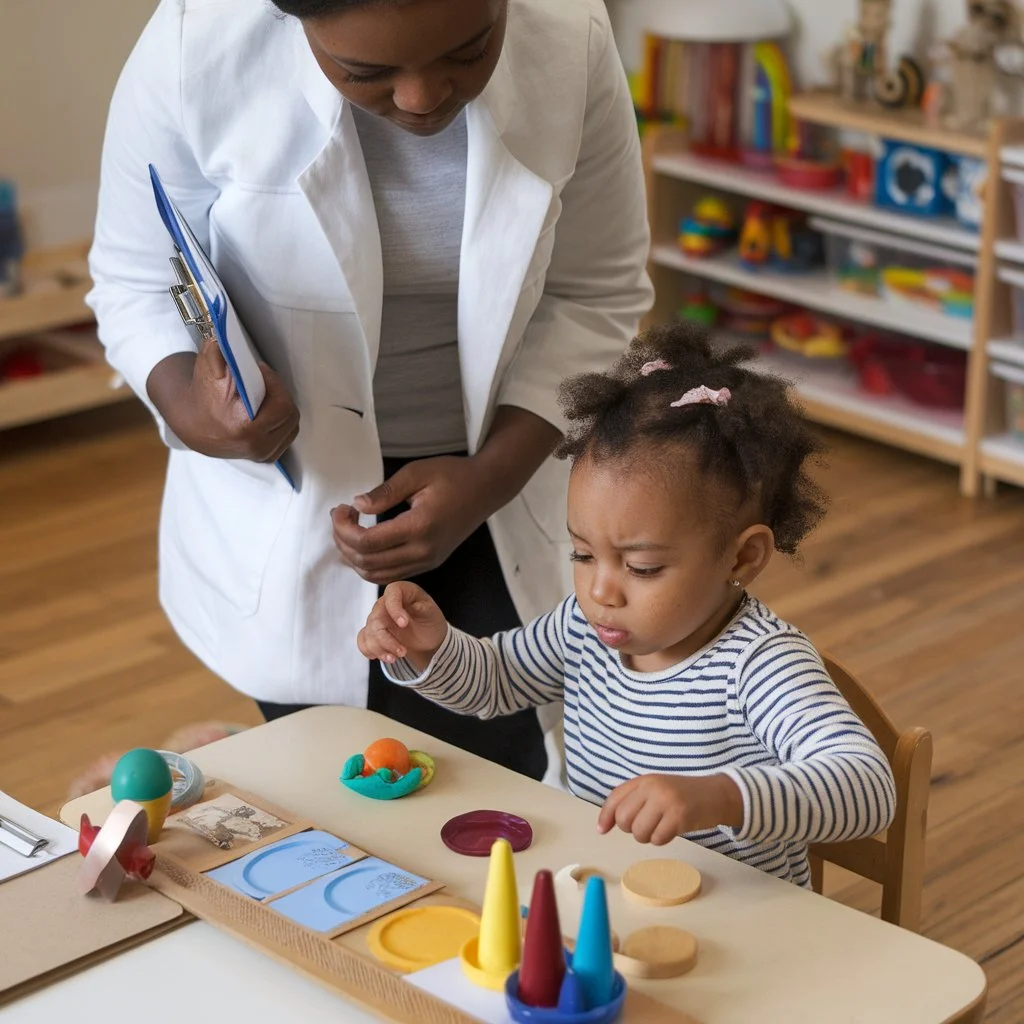
Introduction Many UK parents feel unsure when their child has an intense emotional outburst, especially in public or at the end of a long day. Is it a tantrum, or is it something deeper that your child cannot control? Understanding the difference between meltdowns vs tantrums can completely change how parents respond and how supported […]
Sensory Seeking vs Sensory Avoiding in Children: OT Explained
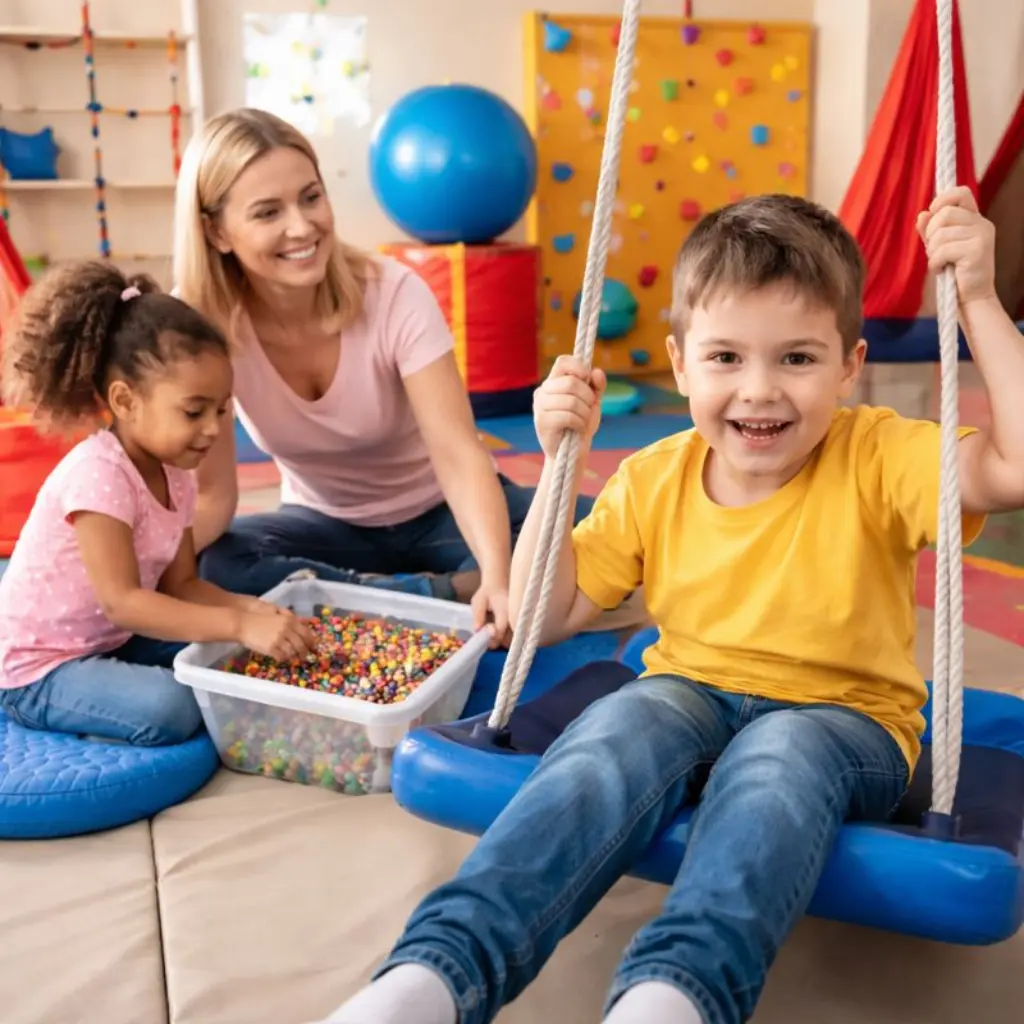
Introduction Some children actively seek movement, noise, or touch, while others feel easily overwhelmed by busy environments, certain textures, or sounds. These differences often relate to how a child processes sensory input, and they can affect everyday life at home, nursery, or school. Understanding sensory seeking vs sensory avoiding helps parents make sense of behaviours […]
How Screen Time Affects Children’s Posture & Movement

Introduction Screens have become part of everyday life for children, whether used for schoolwork, games, television, or chatting with friends. While they offer plenty of positives, many parents notice changes in how their child sits, moves, and manages physical tasks after spending long periods on digital devices. Understanding how screen time affects children’s posture is […]
How Physiotherapy Helps Kids Recover After Fractures or Surgery

Introduction When a child experiences a fracture or needs surgery, it can disrupt everything from daily routines to school life and play. Families often worry about how long recovery will take, whether movement will feel comfortable again, and how to support healing without causing harm. Physiotherapy for kids after fractures or surgery plays an important […]
Shoulder or Back Pain in Kids – When to See a Physiotherapist?

Introduction Back pain in kids can be surprising for parents, especially when it appears during everyday activities like sports, schoolwork, or play. While adults often link back pain to posture or long hours of sitting, children experience discomfort for different reasons, and it’s important to understand what these might be. Shoulder or back pain can […]
Why Is My Child Falling Frequently? Reasons & Physio Solutions

Introduction Many parents start to feel concerned when their child falls more often than others their age. A few tumbles are expected as children grow, but when falling becomes a regular pattern, it naturally raises questions. Understanding why a child is falling frequently helps families recognise whether the issue is linked to their strength, balance, […]
Why Babies Skip Crawling and How Physiotherapy Helps

Introduction Many UK parents start to wonder why babies skip crawling, especially when friends’ children seem to move through the milestone with ease. Crawling is often seen as a natural step in early development, yet not every baby follows the same pattern. Some show little interest in being on the floor, while others prefer pulling […]