
Introduction
Screens have become part of everyday life for children, whether used for schoolwork, games, television, or chatting with friends. While they offer plenty of positives, many parents notice changes in how their child sits, moves, and manages physical tasks after spending long periods on digital devices. Understanding how screen time affects children’s posture is important, especially as growing bodies are sensitive to long periods of slouching or sitting still. PT Kids supports families in recognising early signs of postural strain and helps children develop healthier movement habits that fit naturally into UK home and school routines.
How Screen Time Affects Children’s Posture and Physical Development
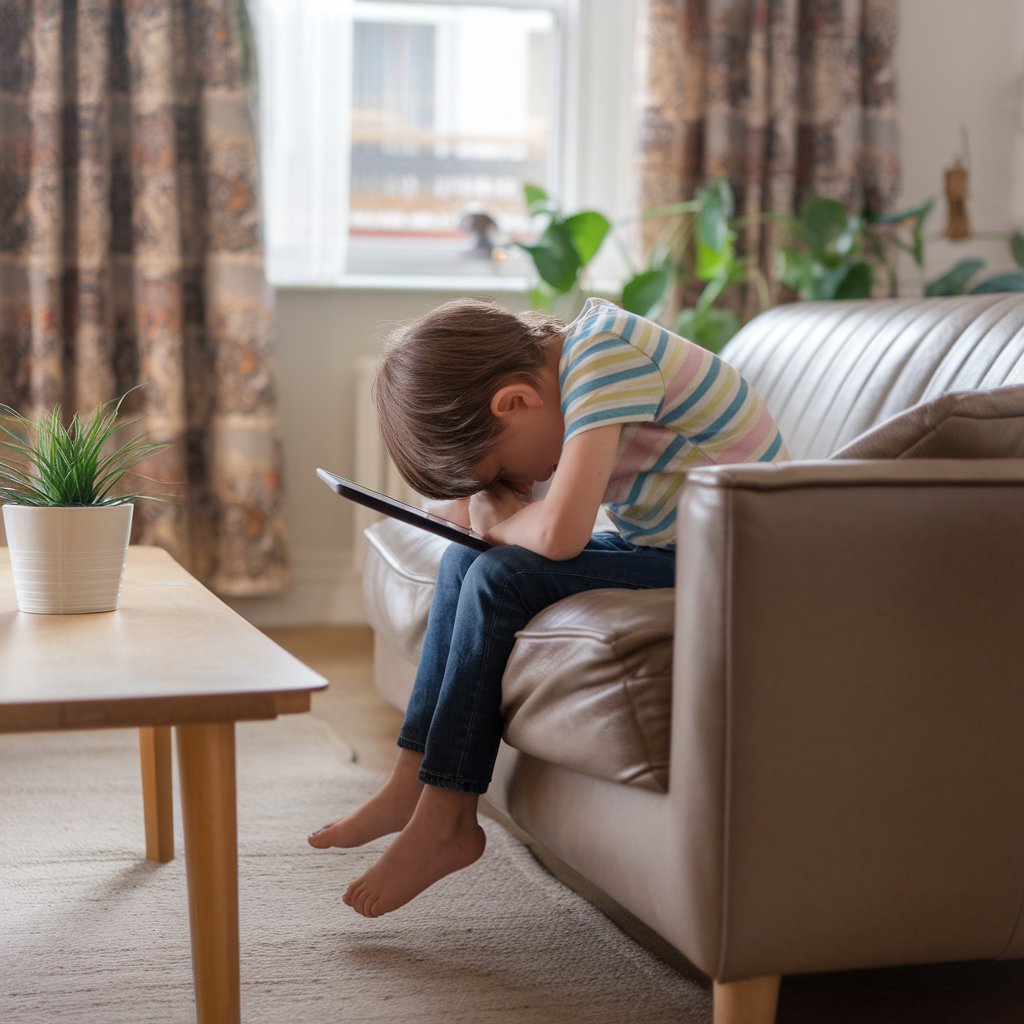
Extended screen use often encourages positions that place strain on the neck, shoulders, and back. Many children lean forward towards their device, hold their head at an angle, or sit with rounded shoulders, gradually creating muscle imbalances that affect posture. These changes can influence comfort levels during everyday activities such as writing, reading, or sitting in class. As children grow, repeated poor positioning can develop into recognisable posture patterns that take extra effort to correct. Gentle, supportive guidance helps children build the body awareness they need to sit comfortably and move with confidence.

Changes in Movement Patterns Linked to Increased Screen Time
When children spend more time sitting, they naturally spend less time running, climbing, and engaging in other forms of movement. Reduced physical activity can affect stamina, balance, and coordination, making certain tasks feel harder than before. Some children tire quickly during PE lessons, while others struggle with playground activities that once felt easy. Even simple movements such as getting up from the floor or maintaining good posture at a table may become challenging. These shifts can influence confidence, especially for children who already find physical tasks difficult. Encouraging regular movement helps maintain strength and supports long-term development.
Behaviour and Sensory Responses Associated with Postural Strain
Physical discomfort from prolonged screen use can influence how a child behaves or responds to everyday tasks. When posture is strained, children may become fidgety, restless, or frustrated because their muscles tire quickly. Sensory overload from bright screens or fast-moving content can add to this fatigue, making it harder to stay focused or settle into quieter activities. Postural discomfort can also affect handwriting and attention during schoolwork, especially when sitting upright becomes difficult.
Supporting Healthy Posture Through Daily Routines and Movement
Small adjustments at home can make a meaningful difference to a child’s comfort. Encouraging children to sit with their screen at eye level, take regular movement breaks, and shift positions throughout the day helps reset their posture. Simple daily routines such as short walks, gentle stretching, or time spent playing on the floor support natural movement and reduce stiffness. These habits feel manageable within the rhythm of UK family life and complement a child’s school day, where long periods of sitting are often unavoidable.
How Physiotherapy Helps Children Build Stronger Posture and Movement Skills
Paediatric physiotherapy offers specialised support for children who struggle with posture, movement, or body awareness. Therapy focuses on building strength in the muscles that support the spine, improving balance and coordination, and developing healthy movement patterns that last into adulthood. Sessions often involve child-friendly exercises that make movement enjoyable while targeting specific concerns. Strengthening posture in a supportive environment sets the foundation for healthier lifelong habits.
Conclusion
Screen time influences how children sit, move, and manage the physical demands of daily life. Strengthening posture and building healthy movement patterns helps children feel more comfortable at home, in school, and during play. PT Kids provides personalised, supportive physiotherapy programmes that incorporate principles similar to pediatric physio after surgery, where careful strengthening and movement strategies help children build resilience, confidence, and strong postural habits. Book an appointment with PT Kids to discover effective therapy solutions tailored to your child’s needs.


