
Improving a child’s posture and everyday sitting position involves a blend of ergonomics, physical activity, and support tools. Occupational Therapy for Children plays a vital role in addressing postural challenges by assessing individual needs and recommending tailored interventions. Proper ergonomics include adjustable furniture and screen positioning at eye level. Regular physical activity, such as core-strengthening exercises, enhances postural alignment. Support tools like ergonomic chairs and posture cushions guarantee correct sitting habits. Encouraging breaks during prolonged sitting periods aids in maintaining posture. Discover more methods and strategies to support your child’s postural health and well-being.
Key Takeaways
- Encourage regular physical activity to strengthen core muscles, which are essential for proper posture.
- Use ergonomic chairs and posture cushions to support the lumbar and promote upright sitting.
- Adjust furniture to fit the child’s size, ensuring proper ergonomic alignment.
- Encourage regular breaks and stretching during prolonged sitting or study sessions.
- Educate children on maintaining good posture habits and provide consistent reminders.
Understanding the Basics of Posture in Children
Understanding the basics of posture in children is essential as it plays a significant role in their overall well-being and development.
Good posture supports physical health, enhances mental clarity, and contributes positively to a child’s daily activities. Conversely, poor posture can lead to a range of physical and mental health issues and is often influenced by habits formed at home and school.
What Is the Importance of Good Posture in Children’s Daily Life?
Good posture in children serves as a cornerstone for their overall health and well-being. It plays a significant role in their physical development, influencing their daily growth and function.
Understanding the importance of good posture in children is vital, as it can prevent potential health problems associated with poor posture. A child with good posture stands tall, with aligned shoulders and back, which promotes better breathing and digestion.
In addition, maintaining proper posture in children supports muscle development and balance, which are essential for active play and learning. Encouraging good posture from an early age reduces the risk of discomfort. It instils lifelong habits that contribute to a healthier lifestyle, highlighting the importance of good posture in daily life.
How Does Poor Posture in Children Affect Their Physical and Mental Health?
How does poor posture in children impact their overall development? Poor posture is essential to both physical and mental health. Incorrect spine alignment can lead to posture problems, affecting a child’s physical growth and potentially causing chronic pain. Mental health is also at risk, as bad posture in children may contribute to decreased self-esteem and focus, impacting academic performance. Posture is essential for holistic development, ensuring children grow with proper alignment and confidence.
| Aspect | Physical Health Impact | Mental Health Impact |
|---|---|---|
| Spine Alignment | Chronic pain, misalignment | Reduced confidence |
| Muscle Development | Weak muscles, imbalance | Anxiety related to body image |
| Focus and Attention | Fatigue, reduced stamina | Decreased concentration |
| Confidence | Hindered physical activity | Lowered self-esteem |
| Academic Performance | Hindered physical participation | Impaired cognitive function |
Understanding posture problems encourages proactive measures.
What Causes Poor Posture in Children at Home and School?
While the impacts of poor posture on a child’s overall development are clear, it is essential to evaluate the factors that contribute to these issues at home and school. Poor posture can lead to various health concerns, and understanding its origins is vital.
At home, prolonged use of electronic devices often results in slouched sitting positions and poor posture. School environments may also contribute; traditional desks and chairs may not support proper alignment, causing posture issues.
Additionally, heavy backpacks and insufficient physical activity can exacerbate these problems. Incorporating exercise for kids at home is one effective way to counteract these issues and build strength and awareness. Over time, these factors combine to create habits that are difficult to correct.
Identifying what causes poor posture in children is the first step toward fostering healthier habits and improving their sitting position and posture.
Recognising Signs and Effects of Poor Posture
Identifying signs of poor posture in children is essential for preventing long-term developmental issues. Posture can cause strain on growing muscles and joints, leading to discomfort and misalignment over time.
Common symptoms, such as rounded shoulders, a forward head position, or frequent backaches, can indicate that a child’s overall posture may need attention. Ensuring a child’s correct posture can significantly reduce the risk of chronic pain and physical limitations later in life.
Understanding these signs and their potential impact on physical development helps caregivers take proactive steps to support healthier growth patterns. Encouraging children to keep a good posture and develop healthy posture from a young age is vital. Using ergonomic furniture and ensuring the child is seated on a supportive surface can help improve posture and keep their spines aligned during daily activities.
How Can You Identify Bad Posture in Children Early On?
When evaluating children’s posture, it is essential to recognise early signs of potential issues to prevent long-term health consequences.
Parents and educators should observe a child’s posture during daily activities, noting any consistent slouching or uneven shoulder alignment. Bad posture can manifest as a forward head position, rounded shoulders, or an exaggerated curve in the spine.
Paying attention to sitting posture is vital, especially during prolonged periods such as schoolwork or screen time. Identifying these signs early allows for timely posture correction, promoting a correct posture that supports the child’s physical development.
Simple interventions, such as promoting regular movement breaks and providing ergonomically designed furniture, can significantly impact maintaining a healthy posture and preventing complications later in life.
What Are the Common Symptoms of Poor Posture in Children?
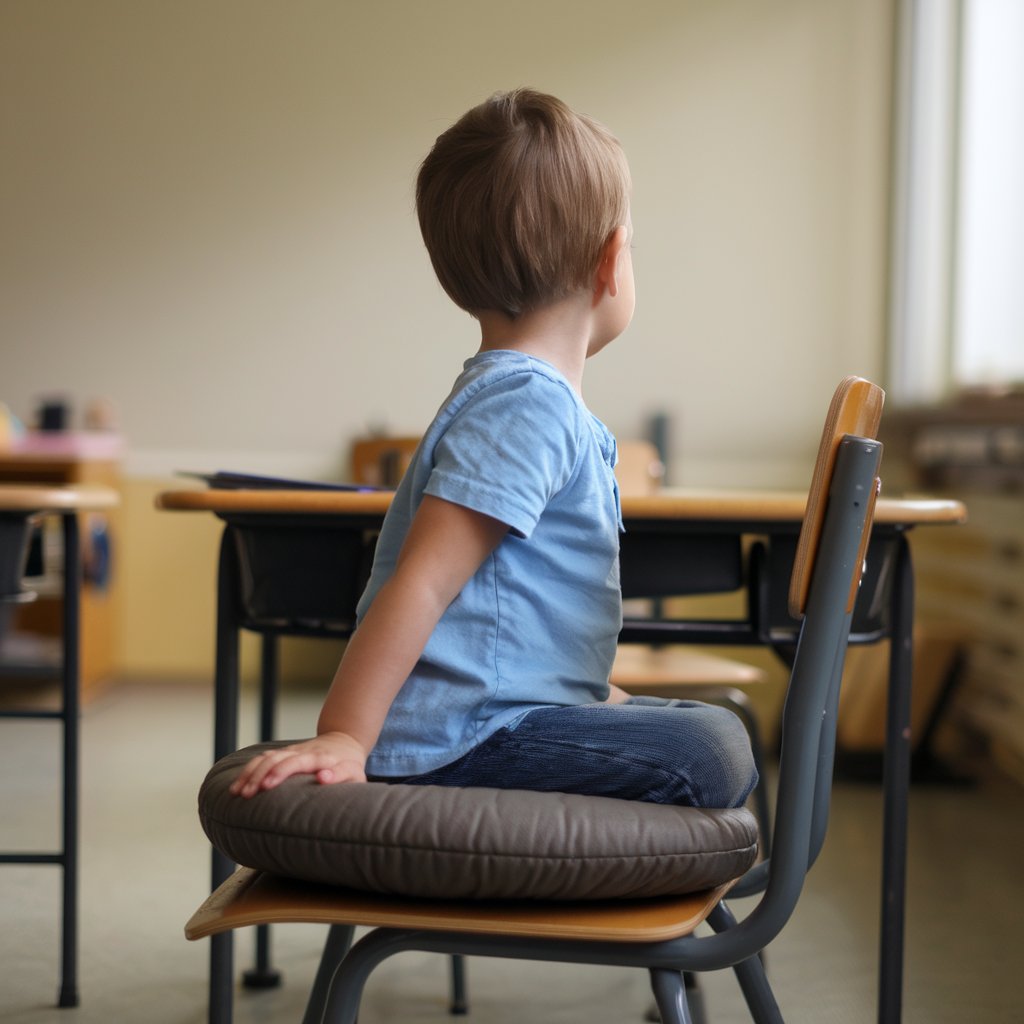
Poor posture in children is often indicated by various symptoms that can impact their overall health and well-being. If not addressed promptly, posture in children can lead to issues such as muscle fatigue, joint strain, and reduced concentration. Recognising these signs early can help children develop good posture and avoid potential complications.
One of the best ways to support healthy posture is to encourage proper sitting habits, physical activity, and ergonomic setups. Good posture helps maintain balance, coordination, and physical comfort during daily tasks. Providing a sloped surface can help improve spinal alignment while writing or reading, supporting better posture throughout the day.
Common symptoms include:
- Rounded shoulders: This is a frequent sign where children’s shoulders slouch forward, often due to prolonged sitting and lack of physical activity.
- Forward head position: Children may exhibit a pushed-forward head posture, leading to neck strain.
- Back pain: Persistent discomfort in the back or neck can directly result from poor posture.
- Fatigue: Children with poor posture might experience tiredness due to inefficient muscle use.
Addressing these symptoms can promote healthier habits and encourage children to engage more in physical activities, ultimately fostering better posture.
How Does Bad Posture Impact a Child’s Overall Development?
While often overlooked, bad posture can significantly impede a child’s development, affecting physical and mental well-being.
A child’s poor posture can result in musculoskeletal issues such as back pain, headaches, and fatigue, which may hinder their ability to concentrate and learn effectively.
Additionally, poor posture can affect a child’s self-esteem and social interactions, as they might appear less confident or withdrawn.
Over time, consistently poor posture may lead to poor posture habits that are difficult to correct, underscoring the importance of early intervention.
Good posture is essential not only for physical health but also for fostering a positive self-image.
Parents and educators should emphasise the significance of maintaining proper posture to support holistic child development.
Practical Ways to Support Good Posture
Supporting good posture in children involves a combination of age-appropriate ergonomic adjustments and daily practices. Focusing on children’s posture from an early age can set the foundation for healthier physical development.
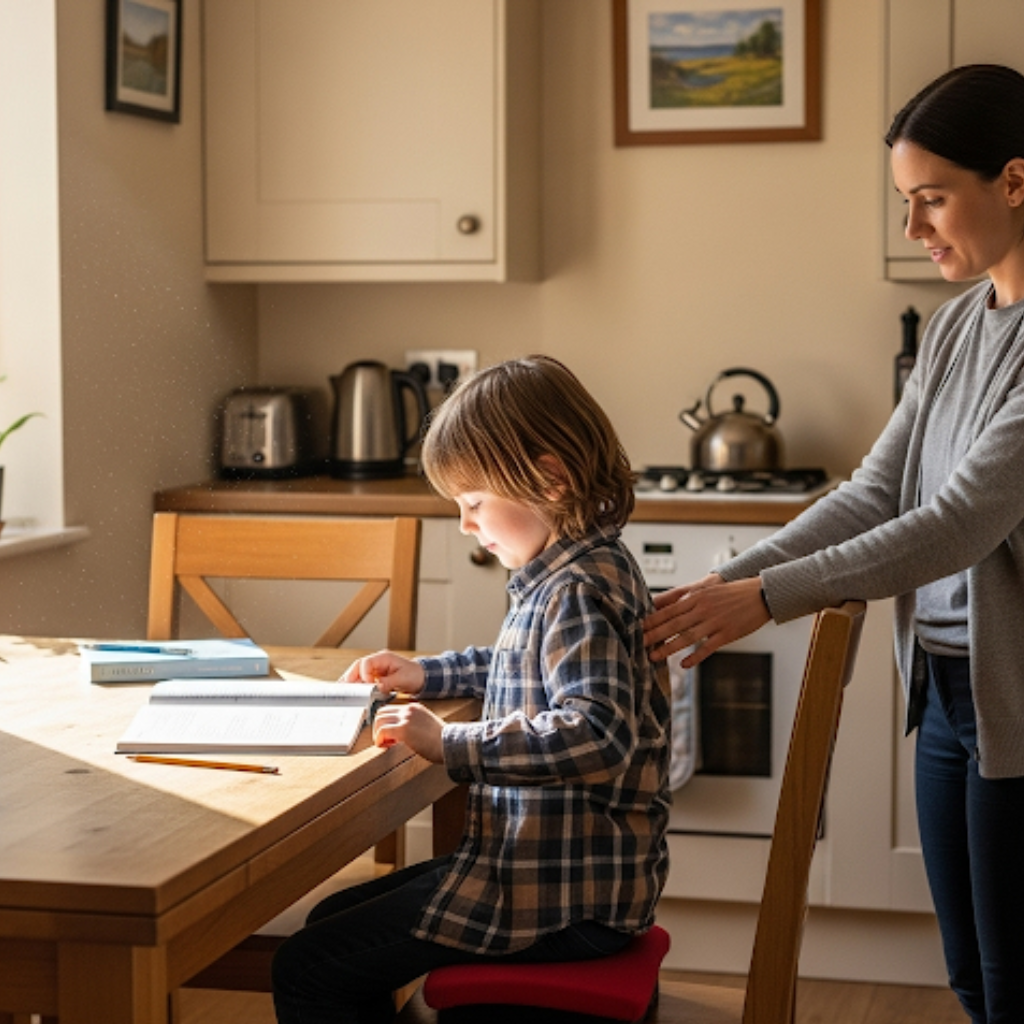
Ensuring children have furniture scaled to their size, encouraging regular movement breaks, and teaching proper sitting techniques are essential steps to improve posture at the table and during other daily activities. For kids with scoliosis, proper support and guidance are especially important, as posture plays a key role in managing spinal alignment.
Additionally, fostering an environment that promotes awareness of body alignment while studying can significantly enhance their posture over time. Good posture also contributes to better focus and reduced fatigue. In contrast, discomfort and back pain caused by poor posture can interfere with learning and play. Encouraging these habits early on may also help prevent scoliosis and other long-term postural problems.
How Can You Support Good Posture in Children at All Ages?
Why is good posture essential for children of all ages? Proper posture supports musculoskeletal health and enhances concentration and confidence.
To improve a child’s posture, caregivers and educators can create environments that encourage good posture and develop good posture habits.
- Provide Ergonomic Furniture: Guarantee chairs and desks are height-appropriate to support proper posture.
- Model Good Posture: Adults should demonstrate proper posture, as children often mimic observed behaviours.
- Encourage Physical Activity: Regular exercise strengthens core muscles, which are essential for maintaining good posture.
- Incorporate Stretching and Breaks: Breaks during prolonged sitting help alleviate tension and promote better posture.
What Techniques Help a Child Maintain Upright Sitting Each Day?
To help a child maintain upright sitting each day, it is essential to implement practical techniques that cultivate strong posture habits. Encouraging children to sit up straight involves consistent reminders and creating an environment that supports correct posture.
Adjusting furniture to fit a child’s size, such as ensuring feet rest flat on the floor with knees at a right angle, can significantly improve your child’s posture. Incorporating posture improvement exercises, like back stretches and core strengthening, also promotes good posture habits.
Regular breaks from sitting to stand or move around help prevent slouching. Positive reinforcement and modelling correct posture are beneficial strategies, as children often mimic adult behaviour.
These steps collectively foster an environment that supports daily upright sitting.
How Can Children Maintain Good Posture While Studying?
Building upon the techniques for maintaining upright sitting and ensuring that children maintain good posture while studying is equally important. Proper posture not only supports physical health but also enhances concentration.
To help a child develop good posture during study sessions, consider the following:
- Utilise adjustable furniture: Investing in equipment to help with positioning can make it easier for a child to sit correctly, adapting to their height and size.
- Encourage regular breaks: Short breaks with improved child’s posture exercises can alleviate tension and promote better posture.
- Ensure ergonomic desk setup: The study area should be organised to prevent slouching, with the screen height at eye level.
- Monitor seating habits: Consistently observing and correcting a child’s sitting posture reinforces good habits over time.
These practices collectively foster a healthier study environment.
Exercises and Physiotherapy to Improve Posture
Targeted exercises and physiotherapy enhance a child’s posture and sitting position.
Children can develop better posture habits that benefit their long-term health through specific movements designed to strengthen core muscles.
Additionally, physiotherapy offers tailored interventions that focus on correcting postural imbalances, promoting improved alignment and reducing discomfort.
What Exercises Improve Posture and Sitting Position in Children?
Encouraging children to engage in specific exercises can greatly enhance their posture and sitting position, leading to improved overall health and comfort.
Targeted exercises help children strengthen the muscles supporting the spine, promoting a healthier posture. Regular practice of these exercises can also boost their confidence and reduce discomfort associated with poor posture.
Key exercises include:
- Planks: Strengthen core muscles that support good posture.
- Shoulder Blade Squeezes: Improve upper back strength and alignment.
- Child’s Pose: Stretch the spine and relieve tension.
- Bridge Pose: Enhance lower back and glute strength for stable sitting.
Incorporating these exercises into a child’s routine can considerably improve their posture, fostering a foundation for healthier lifestyle habits.
How Can Physiotherapy Help with Posture Correction in Kids?
While exercises significantly enhance a child’s posture, physiotherapy offers a detailed approach to addressing posture correction in kids.
Through tailored interventions, physiotherapists assess and identify specific postural imbalances and create personalised programmes to improve posture. They use various techniques, including manual therapy, to promote proper posture in children.
Physiotherapy targets the physical aspects of posture correction and educates children and parents on maintaining good habits. Physiotherapy enhances the body’s alignment by incorporating targeted exercises that strengthen core and back muscles, leading to long-term improvements.
This thorough approach guarantees temporary relief and sustainable posture improvement, fostering overall well-being for kids as they grow and develop.
What Movements Encourage Better Posture and Core Strength?
Enhancing posture and building core strength in children is essential for their overall health and development. Engaging children in regular physical activities can help improve their ability to maintain good posture from an early age.
Incorporating specific movements and exercises is vital to improve core strength and promote upright postural alignment.
- Planks: Encourage children to perform planks, which engage abdominal muscles and support spinal alignment.
- Supermans: Lying face down and lifting arms and legs enhances lower back and core strength.
- Wall Sits: This exercise strengthens the legs and core, helping maintain posture during prolonged sitting.
- Yoga for Kids: Incorporating poses like the tree pose or cobra can enhance flexibility and core stability.
These movements offer a robust foundation for lifelong postural health.
How Can Tools and Daily Routines Support Posture Correction?
Integrating appropriate tools and daily routines plays an essential role in addressing posture correction for children.
Equipment such as ergonomic chairs and posture-correcting cushions can significantly aid in maintaining proper alignment.
In addition, parents are encouraged to establish habits like regular breaks and encouraging active sitting to enhance their child’s sitting posture effectively.
What Equipment can help with Positioning and Proper Posture in Children?
Ergonomic furniture is indispensable in promoting proper posture for children, offering crucial support during their daily activities. Incorporating equipment to help with positioning can significantly improve a child’s posture.
Using the right tools makes children more likely to achieve better posture, reducing the risk of musculoskeletal issues. To help improve your child’s posture and guarantee a supportive environment, consider the following equipment:
- Adjustable chairs: Provide the necessary support for the spine and legs, tailored to the child’s height.
- Footrests: Assist children in maintaining proper posture by ensuring their feet are flat and supported.
- Ergonomic desks: Encourage a natural sitting posture, accommodating different activities.
- Lumbar cushions: Offer additional back support to help maintain the spine’s natural curve.
How Can Parents Improve a Child’s Sitting Position with Good Habits?
While ergonomic furniture provides a strong foundation for a child’s posture, integrating good habits into daily routines is equally crucial in ensuring long-term benefits.
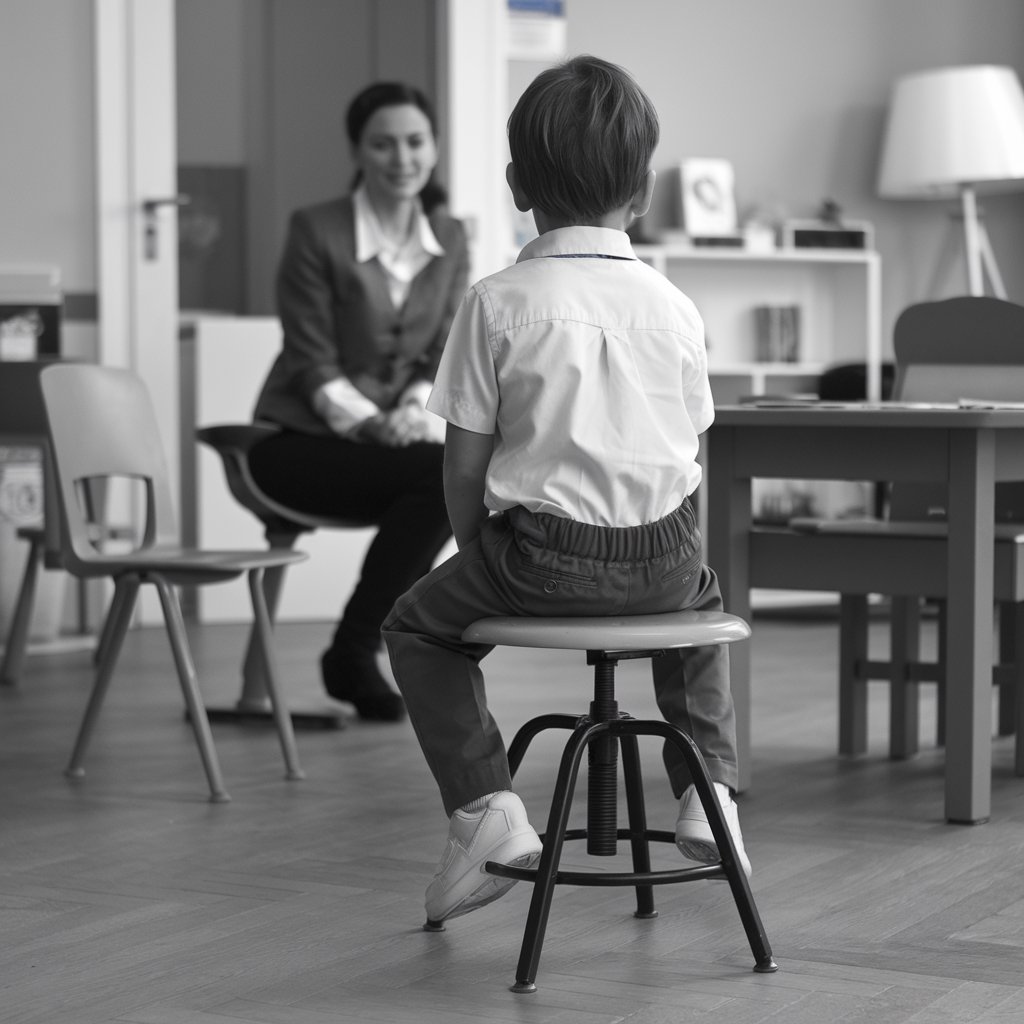
Parents can help their child by modelling and reinforcing what good posture looks like. Simple tips to help improve sitting habits include reminding the child to keep their back straight and feet flat on the floor.
Encouraging your child to take regular breaks from sitting can also promote healthy posture. Additionally, incorporating stretching exercises into daily routines can strengthen muscles supporting the spine.
Teaching children to be mindful of their posture during various activities, such as reading or using electronic devices, can further instil these habits. Consistent practice will gradually lead to improved posture and overall well-being.
Equipment That Can Be Used to Support Posture and Upright Sitting in Children
Several tools and equipment can effectively support posture and encourage upright sitting in children.
These tools help improve posture, ensuring your child maintains good posture from an early age. They are designed to assist in correcting posture-related issues and improving posture over time.
Consider the following items:
- Ergonomic Chairs: Designed to provide proper lumbar support, these chairs help correct sitting habits.
- Posture Cushions: These cushions encourage an upright position and can be used on existing chairs.
- Standing Desks: Allowing children to alternate between sitting and standing can alleviate strain and improve their posture.
- Footrests: By ensuring feet are flat and supported, footrests can promote a balanced sitting posture.
Implementing such equipment can be instrumental in fostering lifelong healthy posture habits.
Conclusion
In summary, fostering good posture in children is essential for their overall health and development. Parents and caregivers can make a significant impact by understanding the basics of posture, recognising signs of poor alignment, and implementing practical support strategies. Incorporating exercises, physiotherapy, and the use of supportive tools within daily routines can further enhance posture correction. A proactive approach will help children build strong postural habits, promoting long-term physical well-being and confidence.


