
Kids love to play and move, but sports activities can sometimes bring unexpected aches or pains. Knowing how to prevent sports injuries is more important than ever, especially when children join more intense leagues. At PT Kids, we always remind families to focus on safe habits plus solid guidance from trusted professionals. Specialised Physiotherapy for Kids plays a key role in supporting young athletes—offering tailored exercises, injury prevention strategies, and recovery plans that match each child’s needs and activity level.
Why Common Sports Injuries Occur in Children
Young bodies grow fast, and that can create unique challenges. Kids who train hard or skip proper warmups risk strain, sprain, or bigger problems. Parents and coaches can watch for warning signs like soreness or decreased enthusiasm. We can protect their well-being and sport readiness by addressing these concerns quickly.
What is a sports injury, and How Can Age Cause Injury in sports?
A sports injury can be any harm to muscles, joints, or bones that happens during physical activities. Younger kids might lack balance or coordination, making them vulnerable to falls and bumps. Tweens in growth spurts may have tight muscles or awkward movement patterns. Adolescents often push harder in competitive environments, which can further strain their bodies. Age-related changes in strength or flexibility raise risks for sprains, fractures, and other issues. By spotting these developmental factors early, parents can help set proper training limits and keep the young athlete’s safety in mind. PT Kids firmly believes that monitoring age-based needs can lower the chance of lasting damage.
Keeping an eye on sports intensity and providing simple guidelines—like getting enough rest, using protective equipment, and working with a qualified Physiotherapist—can help to prevent bigger setbacks. Even small signals of pain should be taken seriously to avoid future complications for growing kids.
How Common Are Sports Injuries Among Young Athletes?
Parents often wonder how common sports injuries are in children. Studies suggest these injuries are more frequent than expected, partly because many kids start organised teams so early. Overuse injuries build up from repetitive motions in sports like swimming or tennis, while contact sports produce sudden impacts. Football players, for example, encounter collisions that can affect ankles, knees, or even their spines. Following prevention of injury measures, such as consistent warmups and cool-downs, can significantly reduce the risk. PT Kids sees many children bounce back strong when they catch minor troubles quickly. Encouraging variety in training also helps kids avoid repeating the same movements and piling on stress.
This wide range of sports activities means each child has unique areas of concern. When parents, coaches, and health specialists team up, young participants can safely enjoy sports without worrying as much about extended downtime from serious injury.
Recognising Strain, Sprain, and Ankle Problems Early
Strains occur when muscles or tendons get overstretched, while sprains involve ligament damage. Ankle sprains are among the most frequent sports injuries affecting young athletes, often triggered by a quick twist or slip. Early detection might show swelling, bruising, or pain during movement. Consulting a physiotherapist right away can help you head off months of discomfort. PT Kids encourages parents to monitor limping or unusual foot positioning. Kids sometimes hide pain to stay in the game, worsening their condition.
Abnormal gait patterns can also cause hip or knee trouble later. Prompt guidance from a trained professional can reestablish the proper range of motion, improve muscle balance, and support healthy healing. This early action keeps anxious feelings away and helps the child confidently rejoin fun activities.
How Can Sports Injuries Be Prevented Through Physiotherapy?
Physiotherapy can dramatically cut injury risks by teaching kids correct techniques, offering strengthening drills, and suggesting supportive tools. Parents want to know how can sports injuries be prevented, or how can we prevent sports injuries without stifling enthusiasm. A balanced plan includes warmups, cool-downs, mindful training schedules, and targeted guidance for each child.
Prevent a Sports Injury with Protective Equipment
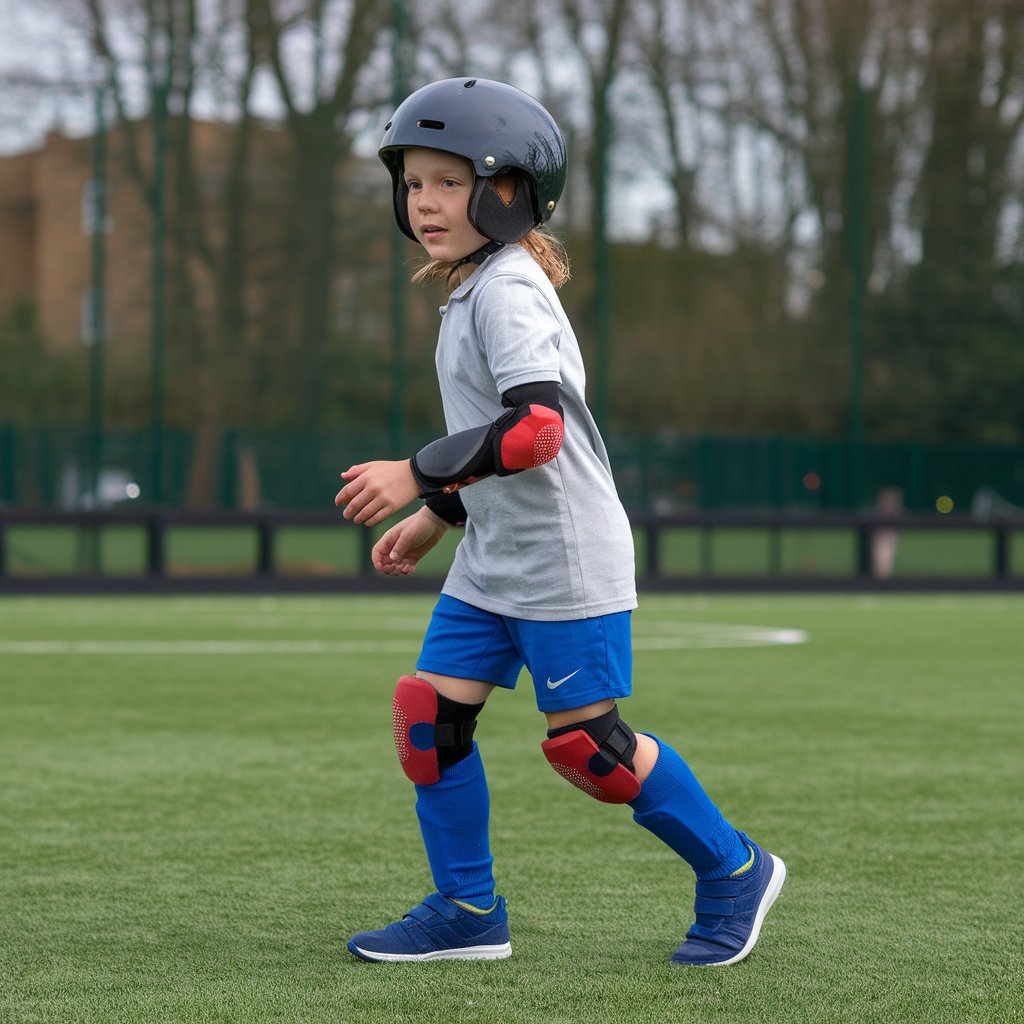
Wearing well-fitted gear is one of the easiest ways to prevent sports injuries. Helmets help in activities with a fall risk, like biking or skateboarding. Shin guards, knee pads, and elbow pads can reduce the risk of direct trauma in contact sports. Choosing footwear suited to the sport prevents ankle twists or stress fractures. Proper shoe cushioning supports the foot arch and curbs impact forces, lowering the strain on knees or hips. PT Kids often sees kids flourish when they feel secure in good equipment.
Equipment checks should happen regularly. Kids proliferate, so outdated or tight gear might offer little protection. Encouraging children to speak up if something feels off enables early adjustments. By taking small steps, such as replacing worn shoes, we help to prevent injuries and build confidence that each athlete is ready for action.
Stretching Exercises and Range of Motion Routines
Stretching exercises are central to preventing sports injuries. Muscle balance improves when kids learn dynamic stretches before training and static stretches afterwards. It’s not just about touching toes. Movements that mirror the sport itself can better prepare muscles and ligaments. A variety of stretches helps maintain the range of motion in joints, which is crucial for safe movement patterns. Children are less likely to suffer hamstring injuries or painful muscle pulls with balanced flexibility.
Physiotherapists often guide children through simple routines: swinging legs, rotating hips, or rolling shoulders. These gentle motions create warmth in target areas and break up tightness. After activity, focusing on longer holds helps muscles cool down. PT Kids finds that consistent stretching routines can diminish common sports injuries by allowing tissues to adapt gradually.
Help to Prevent Common Sports Injuries with a Physiotherapist
Coaches and parents often ask how to prevent sports injuries in kids with the support of physiotherapy. The answer involves specialised evaluations and exercise programmes designed for each child’s needs. A trained professional pinpoints weaknesses or imbalances and then prescribes activities to correct them before trouble strikes. This might include coordination drills, core strengthening, or gentle agility exercises to build resilience.
Working closely with a physiotherapist offers hands-on checks of posture and movement. This monitoring catches problems while they’re small. If a child returns from a sprain or minor knee issue, the therapist ensures a gradual path back to full play. Early attention can mean fewer setbacks and a happier young athlete on the field.
Reducing the Risk in Contact Sports and Physical Activities
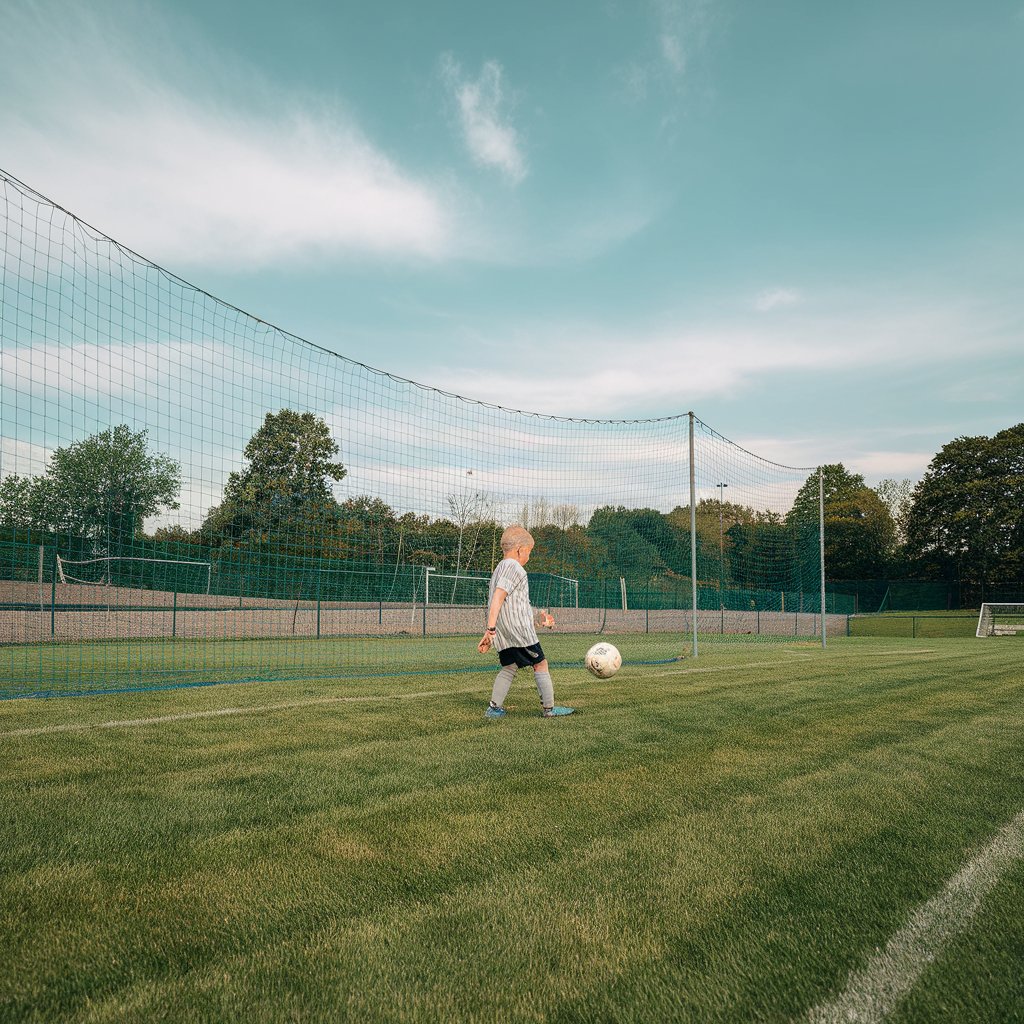
Contact sports can boost confidence and teamwork, yet they also expose children to forceful collisions. Through careful planning, we can reduce the risk of serious harm. Experts in sport and exercise medicine encourage consistent technique training and good communication among coaches, kids, and families. Balanced workouts and rest help limit repetitive joint stress.
Why Football Players Need a Prevention of Injury Plan
Football players, including those just starting, often face scenarios that push their bodies aggressively. Quick pivots, high-speed sprints, and sudden impact can all cause undue strain. Knees and ankles can be most vulnerable. Regular screening with a trusted Physiotherapist gives an early picture of potential trouble spots. PT Kids emphasises the value of neuromuscular drills that sharpen balance, hip stability, and landing control. These exercises lower the chance of a sprain or more serious ligament tear.
A prevention of injury plan also features lumbar exercises to fortify the lower back, as heavy contact can rattle the spine. Consistent feedback and technique refinement reduce the load placed on ankles and knees. And ensuring rest days after intense practices helps the body repair muscle fibers, preventing burnout or nagging pains that might keep a child sidelined.
Sport and Exercise Medicine Insights for Athletes Who Play Contact Sports
Athletes who play contact sports like rugby or field hockey must manage collision risks with proven strategies. sport and exercise medicine teams recommend building total-body strength, especially in the neck, core, and shoulders, to better handle contact. Neck stabilisation drills can curb the severity of whiplash impacts or potential concussions. The idea is to create a strong foundation, so the body can absorb sudden hits without failing at specific joints.
Regular check-ins with professionals provide a clearer picture of how children adapt to physical stress. Minor injuries can quietly turn into chronic issues if left untreated. Kids sometimes ignore discomfort to continue competing, which adds new strain. It’s also important to distinguish between normal growing pains and warning signs of overuse or injury. By staying open about aches or pains, these young athletes can heal swiftly and return to the game more securely.
Balancing Training to Prevent Injuries in Children
Too much intense practice can wear down a growing body. Kids love their sports but still need balance, rest, and varied physical activities. Overtraining leads to fatigue, slower recovery, and increased chances of sprain or strain. sport and exercise medicine experts recommend mixing low-impact workouts with main-sport drills, like swimming or cycling.
This rotation supports the maintenance of overall fitness without targeting the same muscles nonstop. It also encourages healthy mental and emotional well-being, which can be overlooked when children feel pressured to specialise early. PT Kids believes in listening to a child’s feedback on soreness, building flexibility sessions into daily routines, and remembering that some downtime helps the body rebuild stronger tissues. For younger children, hydrotherapy for babies offers a gentle and therapeutic introduction to movement, helping to promote muscle tone, coordination, and relaxation from an early age.
Conclusion
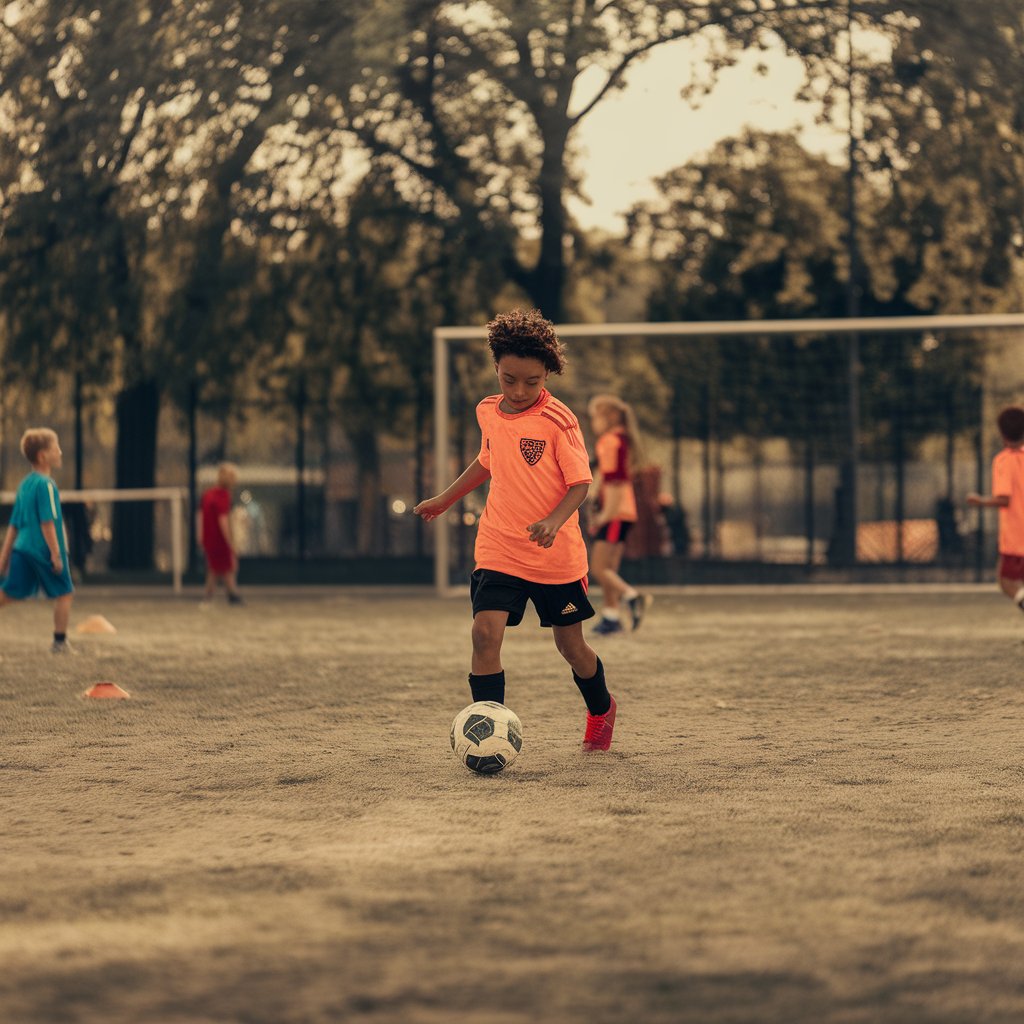
Championing safe habits now sets up children for a future of happy movement. When parents and coaches grasp prevention basics, they create an environment where injuries are less likely to sideline a child. Combining proper equipment, thoughtful training schedules, and professional physiotherapy input fosters a positive sports experience that builds confidence, teamwork, and joy.
Growing athletes need both encouragement and awareness. By addressing warning signs early and following smart guidelines, kids can enjoy their favourite sports without being derailed by avoidable pain. Protecting them now leads to healthier futures. PT Kids remains dedicated to guiding your family toward safer, more fulfilling physical endeavours at every stage of development.


