

Growing pain feels scary for many kids. Children may wake up with leg pain or an ache that disrupts their rest. Parents often ask how to stop growing pains and wonder if these aches are normal. Understanding why they happen can bring reassurance. Let’s explore simple ways to soothe discomfort early with the help of kids physiotherapy support.
Pain and the Age Factor
Children experience pain at different stages. Each age presents changes in the body as it grows. Minor aches can appear in the late afternoon or nighttime, making them more noticeable. Recognising when growing pains stop or how to stop a growing pain starts by looking at your child’s growth stage.
Symptoms of Growing and When Do Growing Pains Stop
Some children feel tightness around their knees or thighs. Others sense a dull ache in the calves. These symptoms of growing might start early in school years. Sometimes, growing pain fades later in adolescence. Parents might wonder when growing pains stop. It often ends once major growth spurts slow, but each child is unique.
What Age Do Growing Pains Stop: Key Insights
Growing pains can linger until kids enter middle school or even beyond. The age at which growing pains stop depends on the child’s growth rate. Some experience them less frequently as they age 10 or 12. Keeping a watchful eye on persistent aches is always wise.
How Do You Stop Growing Pains Safely
A gentle massage works well on sore legs. Warm towels or a simple heating pad can ease the ache. Proper rest also helps. For parents who wonder how do you stop growing pains, these soothing actions go a long way. Healthy activities combined with watching muscle responses is often the key.
Diagnose Growing Pains Early
Early recognition helps caregivers find the right approach. A precise diagnosis allows you to respond before aches become severe. You might notice increased complaints of aches after active play. Balancing activity and rest is crucial. Consult a paediatric physiotherapist if you sense something more serious than growing pain.
Spotting the Cause of Growing Pains
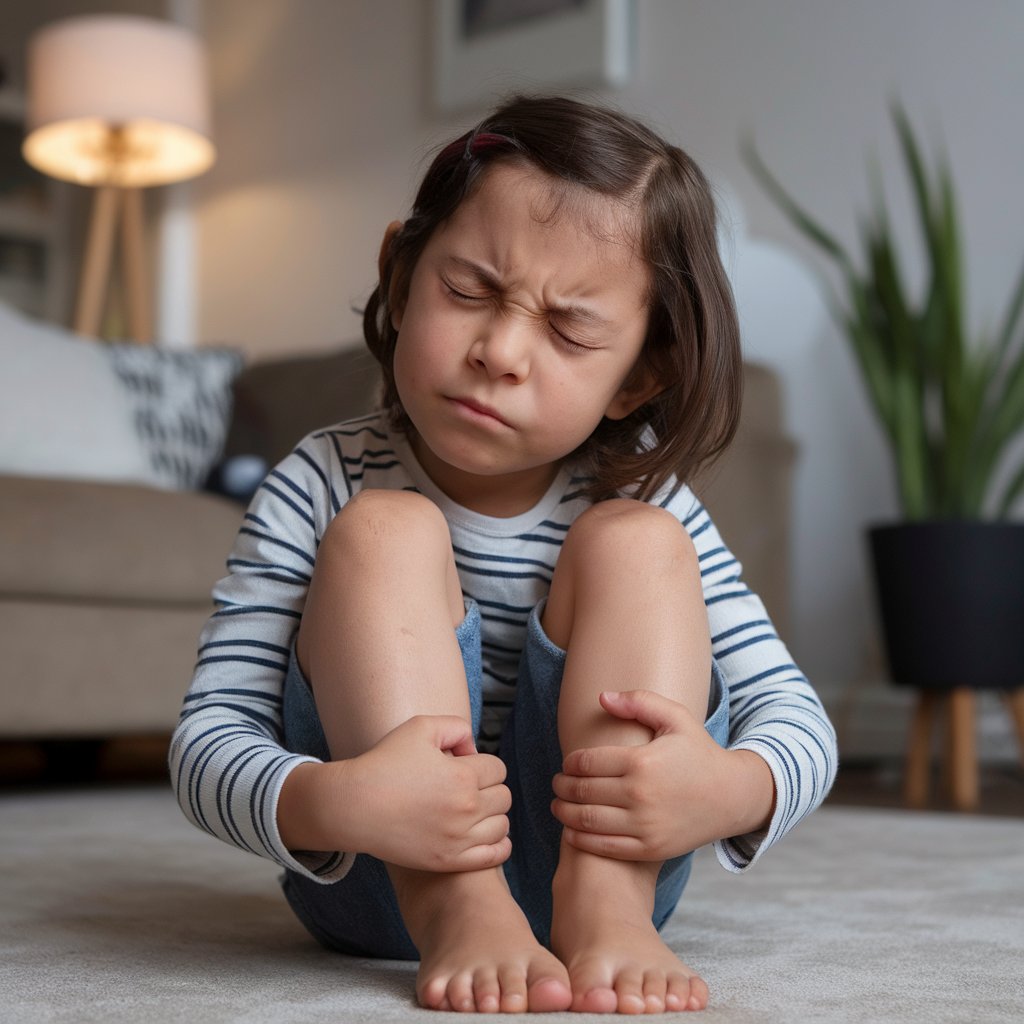
Kids often feel soreness in both legs, usually in the muscles rather than the joints. This pattern points to the cause of growing pains rather than a specific injury. Parents should monitor changes: if aches only strike one leg or come with swelling, it might be time to seek expert advice immediately.
Ways to Diagnose Growing Pains in Children
Doctors look for signs like muscle aches that typically strike later in the day. They may check if the pain goes away by morning. If the typical pattern fits, they diagnose growing pains. Still, a thorough exam ensures nothing else is causing discomfort. Asking clear questions about the ache also helps.
Why Age Matters in a Proper Diagnosis
Younger children might have brief periods of strain as their bones and muscles develop. As kids reach a new age group, pains might shift in intensity. Medical professionals consider a child’s overall health, daily routines, and family history when deciding whether these aches come from expected growth.
Muscle Aches and Leg Pain
Children often mention muscle aches that can appear after running, jumping, or climbing. Leg pain occurs more often in the evening, sometimes waking them from sleep. A direct link to growth phases is likely. Still, it’s good to keep track of complaints and see if they match a typical growing pain pattern.
Identifying the Ache That Comes with Growth
A growing ache can feel dull or throbbing. Children might grab their calves or thighs, hoping for relief. Parents usually see that heat or light massage calms the discomfort. The ache rarely shows other warning signals, like redness or swelling, pointing more to normal growth than a severe medical issue.
When Leg Pain Signals a Growing Pain
Leg pain that strikes both legs at once is a classic sign. It might come and go over several weeks. Kids who have a long day of activities may feel these pains later that night. They will often report no pain on waking. Tracking this pattern provides good clues.
What Leads to Muscle Aches
Strong physical play can stretch developing muscles, sometimes faster than bones. That difference creates the tension kids describe. This mismatch doesn’t always harm, but can bring a temporary ache. Encouraging children to drink enough water, warm up before active play, and rest afterwards helps reduce these muscle aches.
Home Remedies for Soothing Discomfort
Many parents ask about home remedies to lessen the ache. Beyond medical advice, there are simple ways to bring relief—consistency matters. A calming bedtime routine or a cosy bath can relax tired muscles. Observing patterns in how these approaches help provides insight into what’s best for each child.

Simple Routines to Ease the Ache
You can fill a tub with warm (not hot) water and let your child soak briefly. Gentle stretching can loosen muscles, too. Some families find that soft light or calm music distracts the mind from pain. Keeping track of these routines can reveal which ones reduce the ache.
How to Stop Growing Pains from Hurting
To stop discomfort, try alternating between warm and cool cloths. Wrap a towel around a warm pack and place it gently on sore areas. Then switch to a slightly cool fabric for a brief moment. This pattern helps reduce strong sensations. It’s a simple trick for parents looking at how to stop growing pains from hurting.
Practical Ideas for Nighttime Relief
Reading a soothing story or tucking a pillow under the knees relieves leg tension. Light leg massage before bed may calm active muscles. A second round of gentle rubs sometimes works wonders if the ache returns later at night. Reassurance and a comforting presence are just as valuable.
How to Stop a Growing Pain the Right Way
Parents often ask how to stop growing pains without making kids feel anxious. It helps to create a warm, caring environment. A quick leg massage or guided stretches can settle tense muscles. Providing an easy explanation about why it happens also reduces fear. Some kids respond well to quiet breathing exercises.
When Do Growing Pains Stop and What to Expect
Experts say they can last until the late elementary or early teenage years. When do growing pains stop for each child? It varies. Growth spurts come in waves, so pains might appear, disappear, then return briefly. Over time, these episodes usually fade away. PT Kids encourages families to watch for significant changes.
How Do I Stop Growing Pains Without Medication
Gentle stretches focused on the calf or thigh can relax tight muscles. A quick foot flexing exercise may loosen leg tension. Some parents place a warm blanket over the legs while reading together. If someone wonders how to stop growing pains without pills, these easy methods often provide comfort.
When to Seek Professional Help
You may want a paediatrician on whether the ache grows severe or persists most mornings. Also watch for swelling or tenderness in just one spot. Sometimes, deeper issues mimic growing pains. A professional can check joints, bones, or other hidden clues requiring specialised attention.
PT Kids Approach to Effective Care
PT Kids sees each child’s growth as unique. We focus on gentle movements and exercises that reduce leg pain. Encouraging positive body awareness empowers children to notice minor changes early. We believe caring guidance and sound therapy methods can ease the growing ache. Building trust aids quick and lasting relief.
Customised Plans for Leg Pain
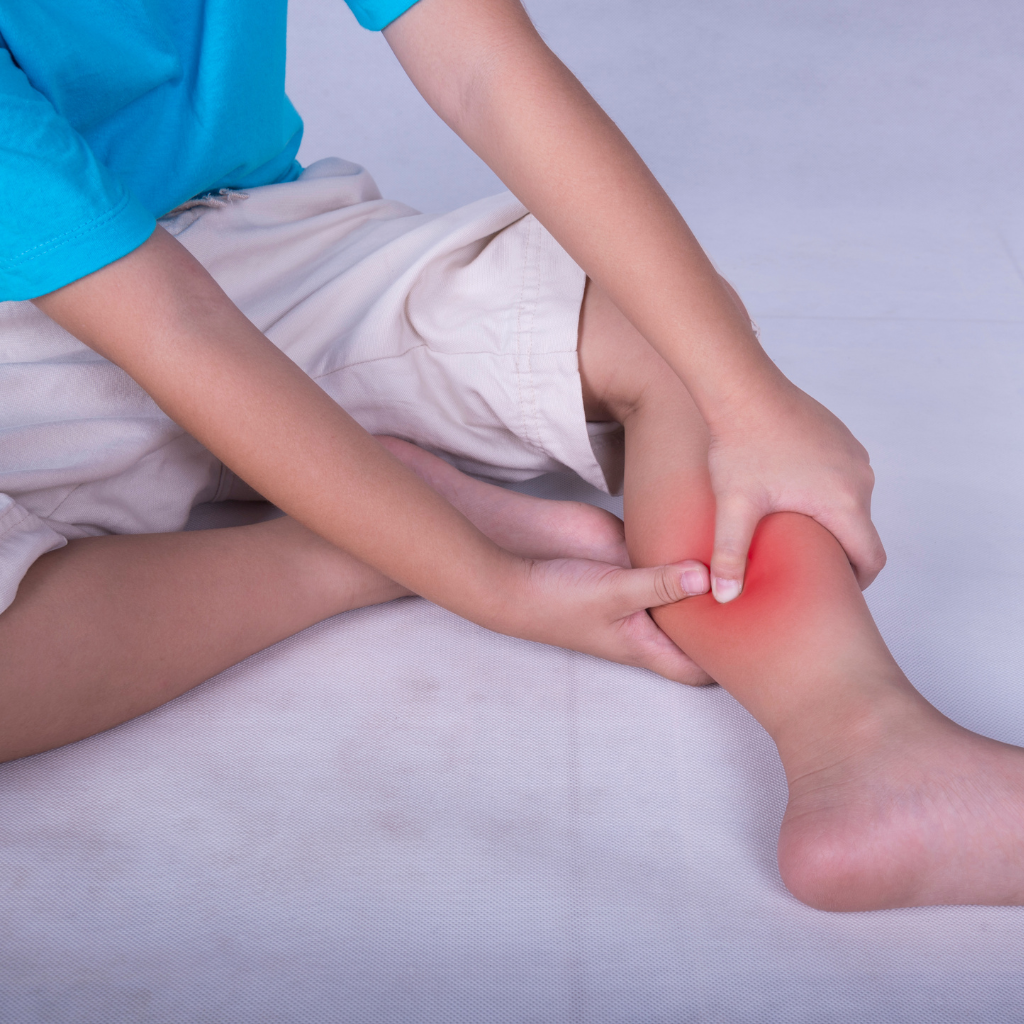
Our therapists create sessions to fit each child’s specific needs. One child might require calming stretches while another benefits from low-impact exercises. These personalised plans aim to address muscle aches and reduce the pain that can disrupt playtime. Over time, consistent work makes a difference in preventing recurring leg pain.
Understanding Growth to Prevent Ache
PT Kids helps families learn how natural growth can cause muscle tension. We promote healthier strides by showing children simple movements that support balanced development. We guide kids to notice early signs, like minor soreness, so they can try gentle methods right away and avoid more intense pain later.
Working Together for Better Outcomes
Therapists, parents, and kids form a team that encourages physical development. We remind families that questions like when growing pains stop depend on each growth stage. Consistent routines and professional oversight help children stay active and happy. This team effort often improves well-being and builds confidence with every new stride. In some cases, specific conditions such as down syndrome affect physical development, requiring tailored strategies to support strength, coordination, and motor skill progression over time.
Conclusion
Growing pains need not be scary or overwhelming. Children can find relief with simple home remedies, supportive stretches, and a careful diagnosis. Encouraging movement while listening to their bodies helps them grow strong. Remember these ideas, and rely on PT Kids if you need extra guidance.


