
Children with Down syndrome often grow at a slower pace than their typically developing peers. When parents wonder how Down syndrome affects physical development, they seek clarity on motor growth, muscle tone, and overall progress. Understanding these unique needs guides us toward nurturing every child’s potential for success.
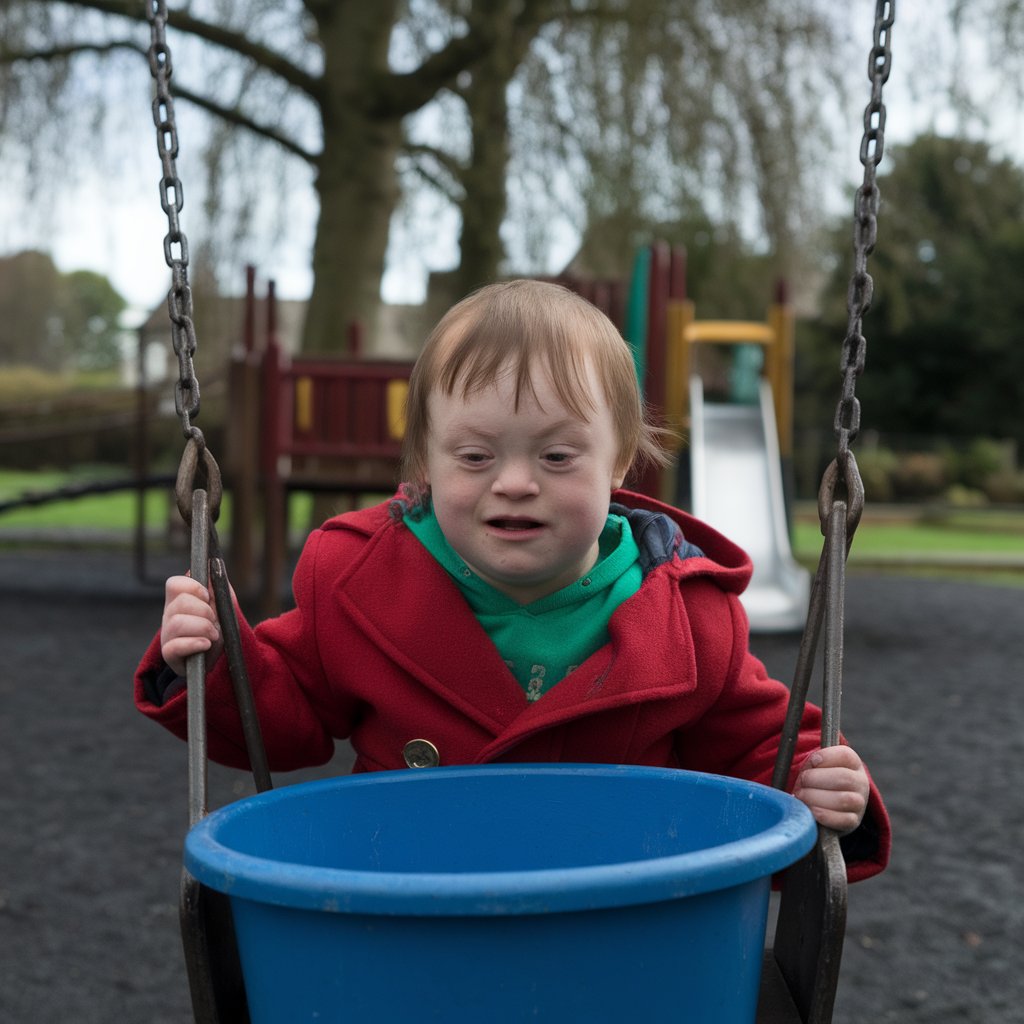
Child With Down’s Syndrome
A child with Down syndrome can show differences in physical growth and overall motor milestones. Early development might be slower, yet these kids keep moving forward with the proper support. Families often learn how physiotherapy can help to improve outcomes and encourage progress, providing a safe, uplifting space for each child’s journey.
Understanding a Child’s Journey
Individual needs and strengths shape every child’s journey. Some may need extra help sitting or crawling, while others focus on better muscle tone. PT Kids believes in hands-on activities that spark joy. Through purposeful play, a child with Down syndrome gains new skills and reaches developmental milestones.
Why Low Muscle Tone Matters
Low muscle tone affects posture, co-ordination, and endurance. For motor skills in children with Down syndrome, this can lead to slower progress in walking or standing. Supportive activities encourage balance and muscle strength. By building a foundation of stability, kids can move, explore, and grow with confidence in their daily lives.
Gross Motor Development and Brain Impact
Gross motor development is vital in how a child controls big muscle groups for everyday tasks like crawling or hopping. Does Down syndrome affect the brain? It can influence co-ordination, but many strategies help children develop motor control. Families see that consistent practice supports progress in fun, everyday steps.
Building Gross Motor Skills
Parents and therapists sometimes use obstacle courses or playful stretching to boost gross motor skills. Key physical activities help children gain better balance and strength. These games spark curiosity in children and motivate them to reach new accomplishments. Small milestones add up, helping children with Down syndrome expand their independence.
Supporting Brain Adaptation
Brain growth connects to movement through repeated practice. It’s not just about muscle strength. Mental pathways form when children try new movement tasks. Over time, the brain learns to direct muscles more effectively. Effort, patience, and practice truly work together, offering children fresh ways to engage with their environment daily.
Muscle Tone and Physical Development
Muscle tone often varies in children with Down syndrome, impacting how they achieve physical milestones. Some show low muscle tone that makes certain tasks more challenging. When parents ask how does down syndrome affect physical development, they should know that regular therapy sessions help children harness better posture and mobility.
Challenges With Low Muscle Tone
Children experience reduced muscle firmness, meaning they might tire quickly or have less joint stability. Physiotherapy plans focus on core building exercises and gentle resistance work. These methods gradually improve muscle tone. Even small gains bring better posture, easier walking, and a boost in overall physical development.
Muscle Tone Table
Below is a simple table showing differences in muscle tone:
| Muscle Tone Level | Characteristics |
|---|---|
| Low (Hypotonia) | Reduced firmness, decreased joint stability, slower movement control |
| Typical Muscle Tone | Consistent firmness, stable joints, steady motor responses |
Developmental Milestones for Children
Developmental milestones mark critical stages like crawling, walking, or dressing. Children with Down syndrome follow a different pace, but these milestones for children remain key markers to celebrate. Physiotherapy can support faster growth in movement and strength. It’s a journey driven by patience, acceptance, and creative ways to inspire progress.
Motor Skills in Children
Motor skills appear when children engage in repeated trial and error. Rolling over, standing, and walking happen step by step. Therapists guide parents on simple home activities. Gentle encouragement helps kids refine each move. Sharing excitement at every turn, from sitting up to taking first steps, keeps positivity thriving.
Tracking Milestones in Children
Recording progress can motivate families and therapists. Keeping a small notebook of achievements helps parents notice signs of growth. Regular updates show how each step propels a child forward. Caregivers spark hope by focusing on small wins and gathering a clearer picture of a child’s evolving abilities and strengths.

Early Development and Motor Milestones
Early development sets the groundwork for everything else in life. Infants with Down syndrome may reach motor milestones later, but they do get them. Development for infants revolves around practice and hands-on therapy sessions. With consistent attention to posture and movement, children discover how to control limbs and explore surroundings.
Nurturing Physical Activities
Early physical activities enhance muscle tone, balance, and body awareness. Balanced tummy time promotes neck strength. Simple games encourage rolling or scooting. Families can use soft mats or brightly colored shapes to spark curiosity. Repetition paves the way for solid progress, one tiny victory at a time.
Encouraging Parent Involvement
Moms, dads, and caregivers who join therapy activities bring extra encouragement. Daily routines, like carrying a baby or helping with gentle stretches, contribute to better muscle strength. When parents become playful partners, children feel safe trying new moves. Collaboration boosts emotional closeness and helps create an enriching environment for progress.
Fine Motor Skills and Physiotherapy
Fine motor skills involve hand and finger co-ordination. Although these tasks can be tricky, targeted physiotherapy encourages better grip, hand strength, and finger dexterity. Even simple play tasks like popping bubbles or stacking small objects help a child build these smaller motor abilities. Fun, consistent practice leads to steady improvement.
Using Targeted Exercises
Therapists design clever hand-focused games for children. These might include squeezing play-dough, sorting small objects, or using child-safe tweezers to move items. Repetition strengthens muscles in the fingers and hands. For many families, these playful exercises highlight a child’s emerging co-ordination, fueling confidence and helping build new skills.
Bullet List Benefits
- Improves grip strength
- Boosts finger control
- Encourages eye co-ordination
- Helps with everyday tasks like writing
These benefits add up, giving kids more control and independence.
Infants With Down’s Syndrome and Physical Activities
Infants with Down syndrome respond well to gentle, age-appropriate activities that stimulate muscle use and movement. By involving the entire family, these sessions become fun bonding moments. Simple stretches, baby massage, and playful reaching games help shape their early development. Parents see gradual gains in both strength and confidence.
Building a Supportive Environment
Consistent motivation ensures a baby feels secure while exploring movement. Soft blankets, bright toys, and open floor space encourage safe practice. Smiling faces and warm voices provide extra encouragement. PT Kids often guides families on gentle daily routines that combine laughter, curiosity, and purposeful physical challenge.
Celebrating Each Small Step
Parents and caregivers get excited when babies can hold their heads up longer or push up during tummy time—even tiny steps matter. Acknowledging progress builds a baby’s sense of achievement. Gradual improvements in mobility are signs of healthy growth, showing that small, confident movements can lead to bigger gains.
Low Muscle Tone vs. Typically Developing Children
Children with Down syndrome who show low muscle tone may progress more slowly than typically developing children, yet meaningful growth is possible. Purposeful actions like crawling or holding objects might take more practice. Encouraging therapy sessions and family interaction can bridge gaps and help every child build strength over time.
Recognising Difference Without Judgment
It’s important to remember that each child’s path is unique. Families shouldn’t compare their child to their peers. More minor improvements deserve significant praise. When caregivers focus on gradual victories, children feel supported. This helps them strive for new accomplishments and fosters a positive outlook on their growth and abilities.
Promoting Inclusion and Support
Programmes that welcome all children allow those with Down syndrome to learn alongside others. Buddy systems, play groups, and group therapy can foster social bonds. These shared spaces promote friendship and understanding. Such environments remind families that steady progress emerges from consistent practice, love, patience, and inclusive community connections.
Does Down’s Syndrome Affect Intelligence and Learning
Many parents ask if Down syndrome affects intelligence. Kids with Down syndrome learn at their speed. They can still handle reading, math, and problem-solving, but might require extra repetition. Adaptive teaching methods, encouragement, and supportive environments can boost confidence and nurture progress in academics and life.
Practical Techniques for Learning
Teachers and physiotherapists often break tasks into smaller, straightforward steps. Using pictures or simple language helps kids follow directions. Adding hands-on tools, like textured letters for spelling, aids memory. Celebrating small achievements keeps children motivated. This approach shows that with patience, kids with Down syndrome keep growing in knowledge daily.

Connecting Physical and Cognitive Growth
When children move more, the effects can also benefit mental growth. Physical activity feeds the brain by enhancing circulation and alertness. Movement games that engage both mind and body strengthen problem-solving skills. Weekly therapy sessions blend these approaches so progress in motor control can reinforce learning in natural, playful ways.
How Does Down’s Syndrome Affect Cognitive Development
When thinking about how Down syndrome affects cognitive development, it’s vital to remember that all children learn differently. Some kids experience slower information processing. Others might need targeted repetition. Through enriched environments, consistent practice, and patience, cognitive progress unfolds. Families who remain proactive often see improvements in problem-solving and communication.
Memory and Retention
Short-term memory can be a challenge, yet practice supports better recall. Daily routines and familiar patterns help children learn new concepts. Structured games and repeated lessons often work best. With time, children develop stronger memory skills. Positive reinforcement and prompting keep kids engaged and excited about building new brain pathways.
Empowering Through Persistence
Caregivers and educators should encourage repeated practice. Even if it seems slow at first, persistence fosters growth. Over weeks and months, kids adapt, solve problems, and show noticeable improvement in understanding. By trusting the process and encouraging healthy habits, families can help children discover their unique ways of learning.
How Does Down’s Syndrome Affect Social Development
Interaction with peers shapes emotional and social well-being. When families wonder how Down syndrome affects social development, it helps to see that supportive playdates and group activities boost communication. Children often mimic positive social behaviours, building strong bonds with siblings or friends. Over time, these moments enrich emotional connections.
Encouraging Peer Interactions
Inviting children to group settings, such as community events or inclusive classes, lets them observe peers, chat, and collaborate on small projects. They learn the give-and-take of relationships in a safe place. Praising them for sharing or helping fosters empathy and self-worth, guiding them to navigate friendships with growing confidence.
Creating a Warm Community
Beyond organised programmes, a welcoming community sets the stage for growth. Parents, teachers, and neighbours can all play a role in encouraging acceptance. Simple kindness, shared activities, or buddy programmes build supportive networks. Over time, children gain communication skills, emotional maturity, and a sense of belonging among peers and caring adults.
Development of Motor in Adults With Down’s Syndrome
Physical development continues for adults with Down syndrome. Even though progress starts in childhood, the need for exercise, muscle strengthening, and movement practice never disappears. Gentle sports, dance, or regular walks help maintain health and build confidence. Over a lifetime, consistent movement supports independence and general well-being for these individuals.
Maintaining Gross Motor Skills
Adults benefit from mixing daily activities with fun exercise. Bowling, light jogging, or yoga sessions keep muscles toned and joints stable. Co-ordination can decline if not practised regularly. By staying active, they preserve flexibility and reduce potential discomfort. It’s a path that blends health needs with recreational enjoyment every day.
Adapting to Life’s Changes
Adults encounter new social and emotional experiences, too. They may enjoy community programmes, part-time work, or volunteer tasks. Physical activities help them manage stress and stay balanced. Support from family and therapists fosters independence, ensuring that motor skills remain steady as lifestyles and responsibilities shift throughout adult life. Just as we address concerns like growing pain in children early on to support healthy development, it’s equally important to continue monitoring physical well-being in adulthood to maintain long-term function and quality of life.
Conclusion
Answering how does down syndrome affect physical development calls for looking at motor milestones, muscle tone, and overall progress. Each stage from infancy onward can blossom with patience and the right interventions. Down syndrome may change a child’s timeline, but every child can move toward newfound possibilities with warmth, perseverance, and joy.


