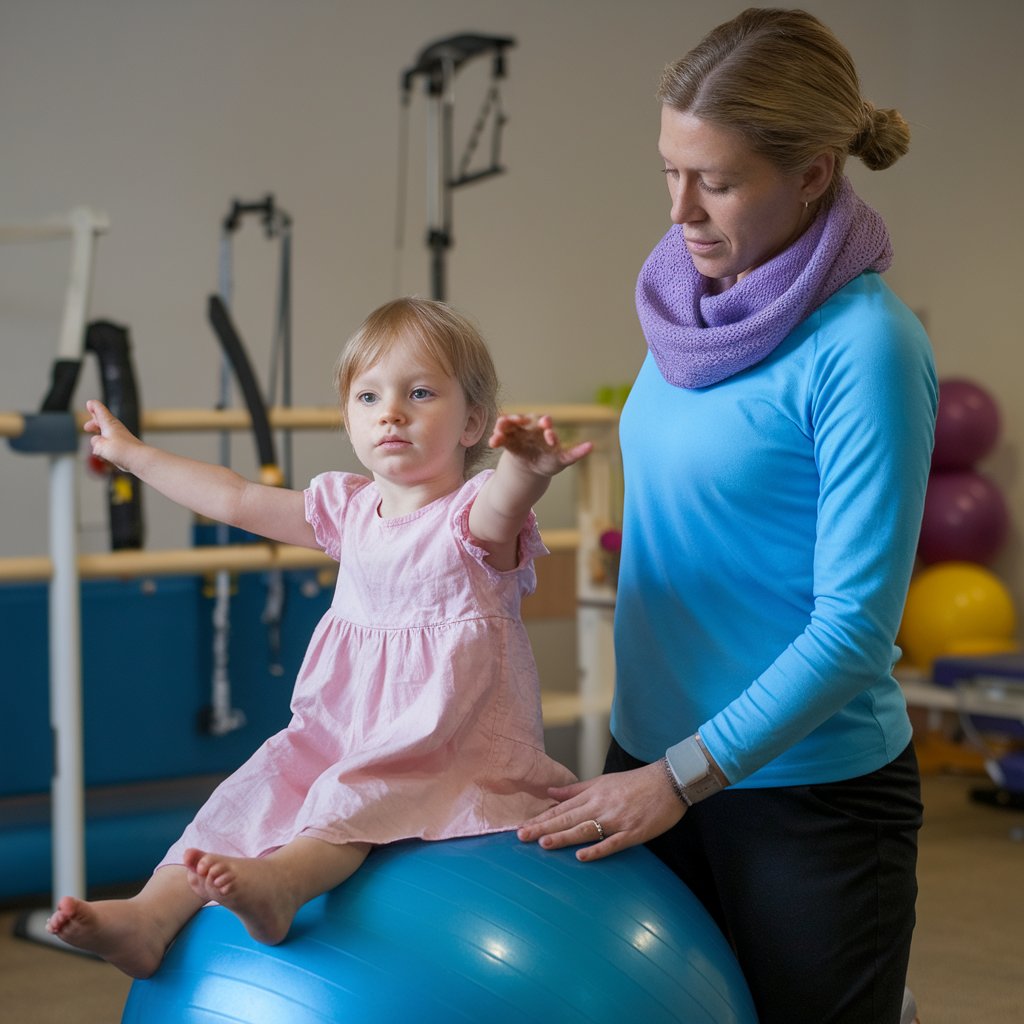
How Can Physiotherapy Help with Hypermobility?
Every child deserves the chance to move confidently and enjoy a whole, active life. For children experiencing hypermobility, everyday tasks can sometimes feel daunting. Physiotherapy for hypermobility is pivotal in helping them develop better mobility, posture, and strength. By investing in paediatric therapy support, UK parents can ensure their children grow into happy, active learners.
At PT Kids, we understand how challenging it can be to watch your child struggle with joint pain or worry about recurrent strains. Our team specialises in age-appropriate approaches tailored to each child’s needs. With expert guidance, families can confidently navigate hypermobility symptoms in kids, ensuring progress at an appropriate pace without compromising on fun or freedom of movement.
Understanding Hypermobility in Children
Symptoms of hypermobility in kids often include an extended range of motion and flexibility beyond typical limits. Factors such as the Brighton score and Brighton Criteria help identify children who may benefit from orthopaedic physio assessment. While some children experience no pain, others develop body pain improvements only after targeted interventions to stabilise joints and support healthy development.
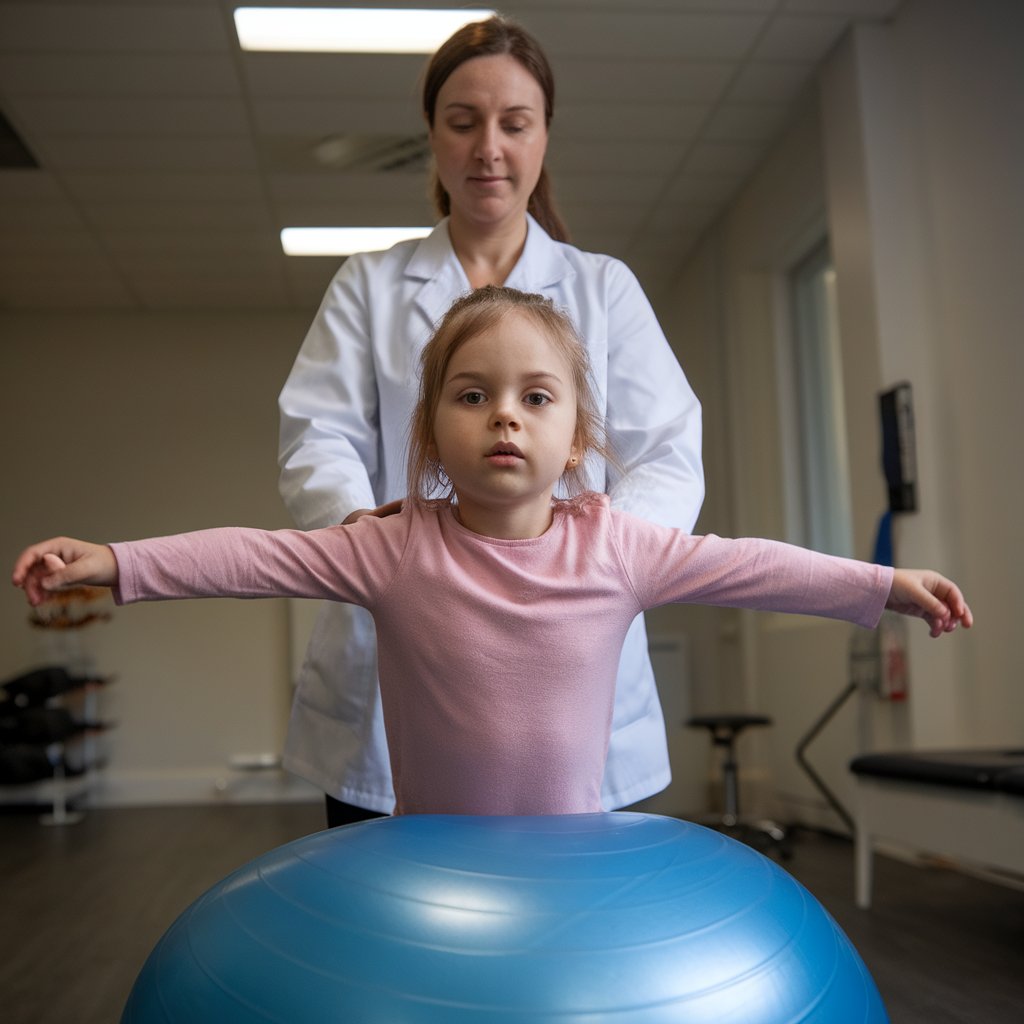
Key Symptoms and Early Signs
Hypermobility syndrome in kids can manifest through frequent sprains, joint aches, or a tendency to “double-jointed.” Early recognition of hypermobility symptoms in kids allows for timely assessment and support. Many children might struggle with fatigue or poor posture, as their bodies work extra hard to maintain balance. Spotting these signs early is crucial for successful intervention.
Physiotherapy for Hypermobility Approaches
A comprehensive programme of hypermobility physiotherapy for children involves confirming a proper diagnosis, devising personalised exercises, and monitoring progress. This often includes strengthening exercises, postural work, hydrotherapy, and orthotics or splints. For example, physiotherapy can also address related concerns such as flat feet in children, which may contribute to instability or discomfort. By focusing on joint stability, our physio for hypermobility in kids aims to reduce discomfort, support healthy movement patterns, and prevent future issues.
Supporting Families with Paediatric Therapy
Families benefit most when therapy services offer ongoing guidance and resources. PT Kids provides orthopaedic physio sessions and equips parents with practical knowledge. Regular communication ensures everyone understands treatment goals and the child’s progress. With the proper support, children thrive at home and in educational settings, building resilience and confidence in their daily routines.
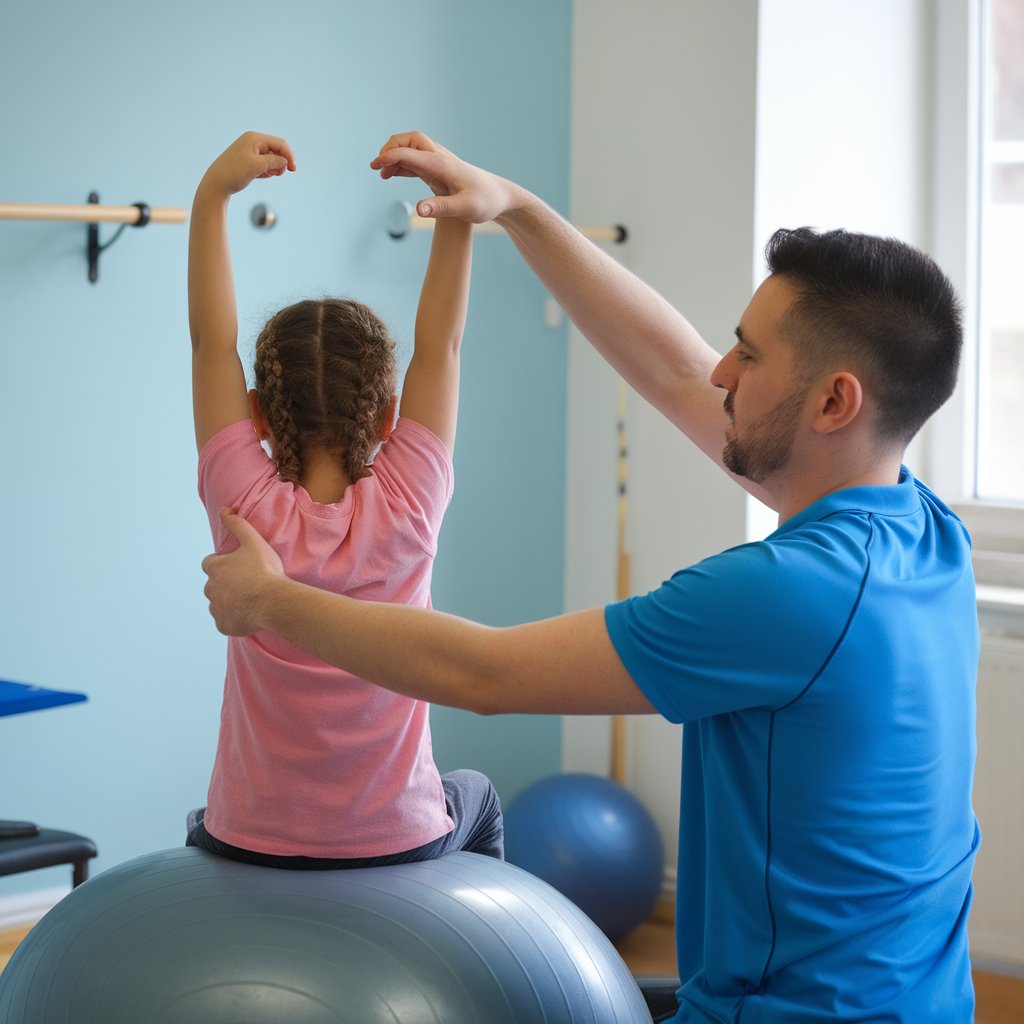
Practical Exercises and Tips
Parents and carers can encourage simple, supervised activities that promote muscle strength and joint stability. Popular options include:
- Gentle stability exercises such as balance games
- Low-impact sports like swimming or yoga
- Gradual strengthening exercises targeting core and limb support
Families build a strong foundation for healthy movement and long-term wellbeing by introducing these child-friendly routines.
Conclusion
Physiotherapy for hypermobility offers a structured way to address mobility challenges, helping children in the UK enjoy greater independence and reduced joint pain. By focusing on strengthening exercises, postural adjustments, and child-centred support, PT Kids empowers families to see real improvements in flexibility, comfort, and everyday function. If you suspect your child may benefit from physiotherapy, consider an initial consultation with PT Kids. Children can explore new possibilities with professional guidance and embrace a brighter future defined by movement, confidence, and fun.