
Baby hydrotherapy is a gentle therapeutic approach that combines warm water immersion with guided exercises. It supports motor development, sensory exploration, and bonding opportunities between parent and child. Many families discover that physiotherapy-based hydrotherapy for babies encourages improved comfort, coordination, and relaxation, predominantly when guided by caring professionals at PT Kids.
Understanding the Benefits of Hydrotherapy Sessions
Babies often show progress after a few hydrotherapy sessions because warm water eases muscle tension. The buoyancy also helps them move freely. By reducing stress on joints, water-based exercises become more comfortable. Experts often call these benefits of hydrotherapy essential for early development, especially when using specialised techniques.
Hydrotherapy Sessions and What Is Hydrotherapy Physiotherapy?
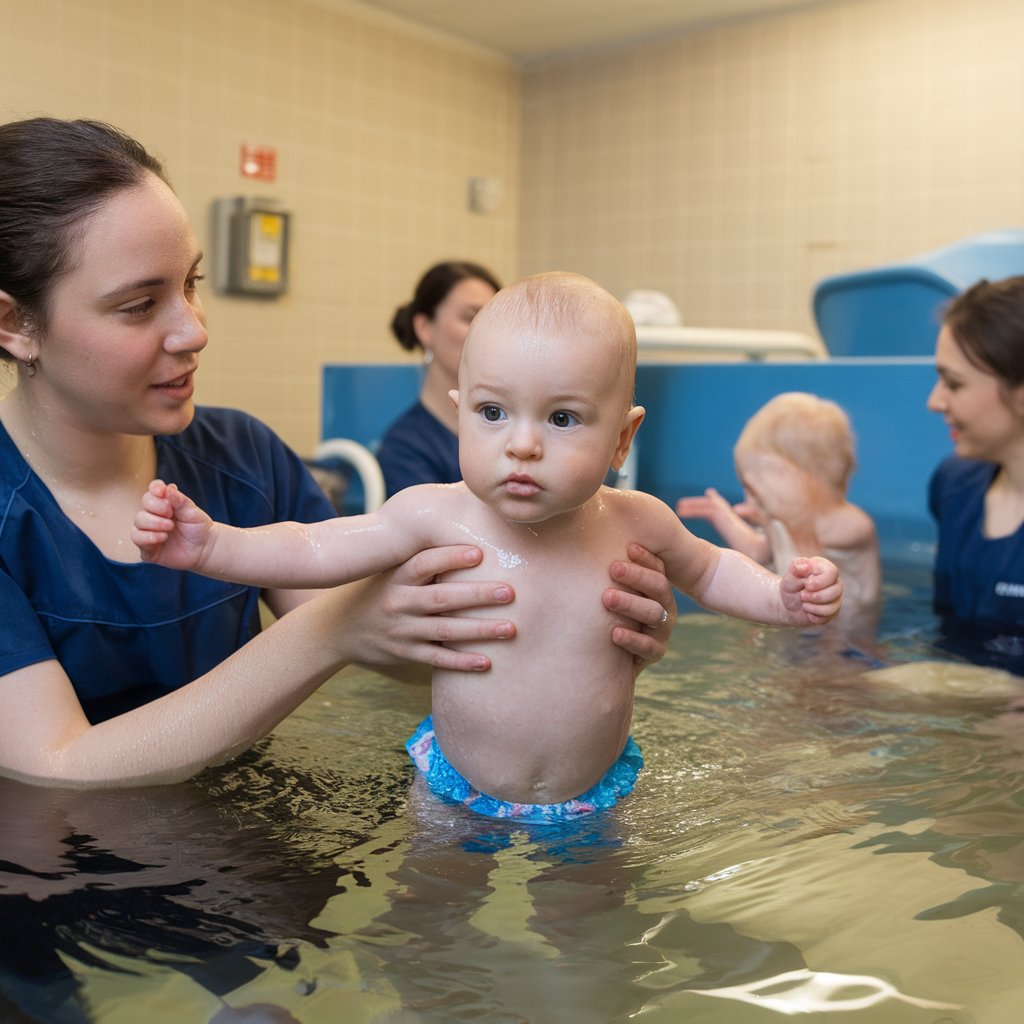
Parents sometimes ask about hydrotherapy and physiotherapy, and how these therapies support early growth. Hydrotherapy uses water to reduce the effects of gravity on a baby’s muscles and joints, making it easier for them to move and explore. Therapists plan gentle, developmentally appropriate activities that align with each child’s abilities. During sessions, caregivers can observe baby hydrotherapy benefits in real time—such as improved range of motion, better body awareness, and enhanced muscle relaxation.
The warm water creates a soothing environment that encourages babies to move more freely. Floating in water can spark curiosity and a willingness to try new movements. Using a secure and nurturing approach, therapists often focus on key areas like muscle tone and spinal alignment. Purposeful play is a central feature of these sessions, helping babies remain engaged and happy while building essential skills like head control and trunk stability.
When parents ask, “Are hydrotherapy pools better for baby swimming?” physiotherapists often highlight that hydrotherapy pools offer warmer, more consistent temperatures than standard swimming pools. This temperature control helps keep babies comfortable, avoiding the chills in colder water. While traditional swim classes may focus on technique, hydrotherapy in physiotherapy prioritises therapeutic goals tailored to each baby’s unique developmental needs.
These specialised sessions provide targeted support for families seeking a safe and supportive aquatic experience. With guidance from trained professionals, parents gain confidence as they learn simple strategies—like gentle splashing, structured activities, and positional changes—that help their baby make steady progress. Ultimately, baby hydrotherapy becomes a positive and uplifting experience, encouraging developmental milestones in a calm, engaging setting.

Exploring Aquatic Therapy for Babies
Aquatic therapy helps infants learn to regulate their movements. The water’s gentle resistance also fosters muscle strength. When therapists design exercises around a child’s unique abilities, progress can occur naturally. Therapy for babies in water encourages improved balance, better core strength, and overall comfort and enjoyment.
Types of Hydrotherapy in Physiotherapy: Adapting Aquatic Sessions
Professionals explore different types of hydrotherapy in physiotherapy, always customising activities to meet each child’s needs. Some programmes feature rhythmic rocking to encourage bonding, while others focus on supported floats or gentle stretching. The benefits of baby hydrotherapy become more evident when therapists guide movements carefully and monitor for any signs of strain. Parents often observe improvements in reflexes and calmer behaviour, thanks to repeated exposure to warm, soothing water.
Many hydrotherapy physiotherapy sessions are designed to activate specific muscle groups. For example, a baby with high muscle tone may benefit from slow, flowing stretches that help release tight areas. In contrast, a child needing increased sensory input might respond well to gentle splashes that enhance body awareness. Water’s buoyancy reduces strain, making it easier for babies to practise developmental milestones. Babies who struggle to roll on land often show curiosity and progress when attempting similar movements in water.
This controlled aquatic environment gives babies a safe space to explore new skills. Therapists often track each improvement step by step, adjusting activities to match a child’s pace. Simple water games, such as reaching for floating toys or following colourful objects, may be introduced, promoting motor coordination and visual tracking. These playful tasks keep sessions enjoyable while reinforcing essential physical skills.
With expert guidance, aquatic therapy creates a positive connection between movement and fun. Families are also given carryover tips to help apply the techniques at home, making daily routines easier. Hydrotherapy is a valuable complement when combined with land-based physiotherapy—enhancing progress and encouraging holistic development for babies and young children.
Baby Spa Benefit: Why It’s Better Than a Regular Swim Lesson
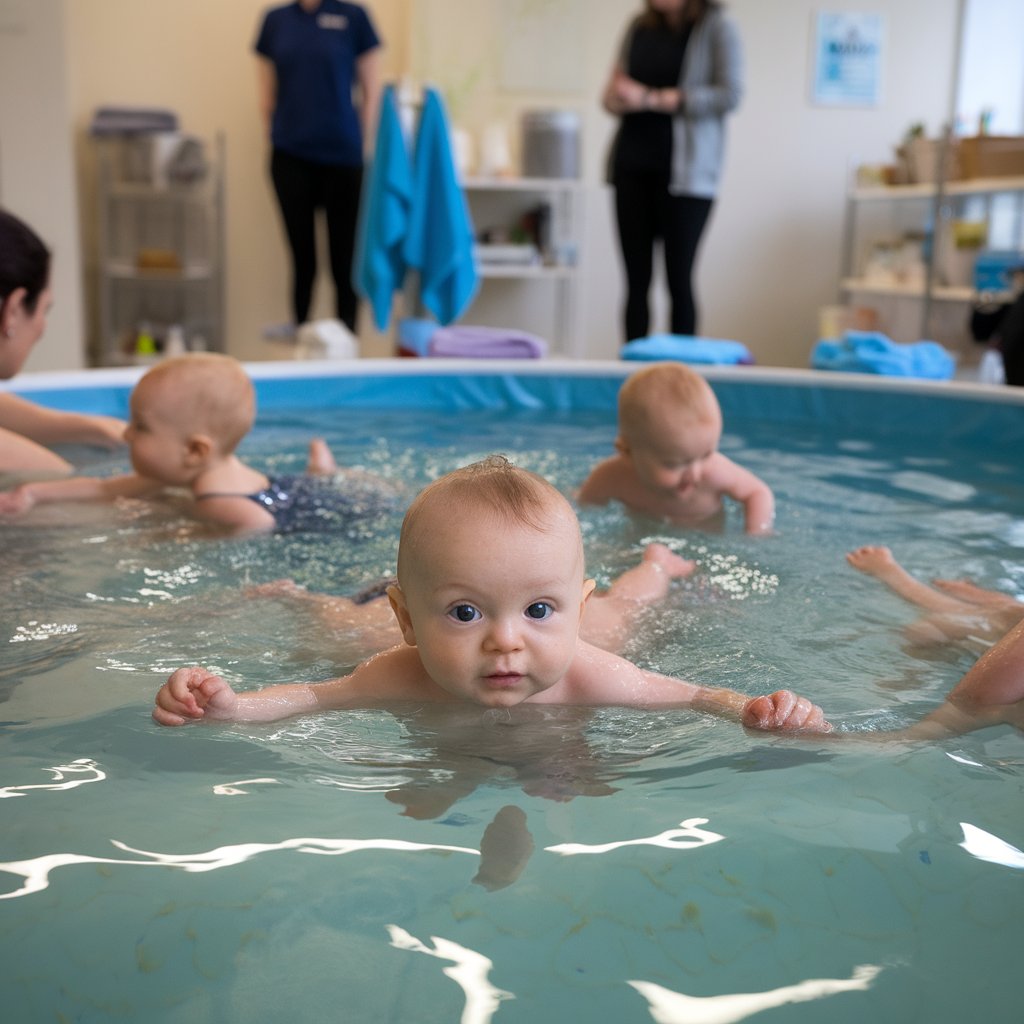
Some parents confuse a baby spa with typical swimming classes. While both involve water, baby spa setups cater to therapeutic experiences beyond simple play. They often feature warmer pools and quieter surroundings, offering babies a more controlled and better space for relaxation and development.
Swim Time or Spa Time: Deciding What Works Best
Many families debate whether standard swim lessons or a specialised baby spa better address their child’s developmental needs. Baby spas typically offer smaller groups, individualised support, and warm, nurturing water temperatures. Therapists can design soothing routines in these calm environments that help regulate and comfort young children. Babies may gently kick or float with supportive equipment, encouraging early motor control. This approach contrasts with typical lessons, which can be crowded and offer less one-on-one attention, making it harder to identify and respond to a child’s unique challenges.
Baby spas often include additional services such as massages and aromatherapy, but the core focus remains on developmental skill building. Babies explore new movements in a supportive setting by combining relaxing elements with targeted aquatic exercises. Hydrotherapy physiotherapy can seamlessly be incorporated into each session, helping address developmental goals like head control, muscle tone, or movement coordination. The specialised environment also helps reduce noise and overstimulation, making babies feel more secure and relaxed.
One of the key benefits of the baby spa experience is the strengthened parent-child bond. Quieter waters and slower-paced routines give parents space to hold, observe, and interact with their baby more attentively. Guided by professionals, parents learn about correct positioning, safe handling, and how to support their baby’s progress. This knowledge often carries over into daily care routines, boosting parental confidence and enhancing consistency at home.
Because baby spa sessions are structured around gradual, comforting intervals, babies learn at their own pace. Many parents report improvements in spontaneous play, head and neck control, and overall muscle stability. Whether a baby needs extra support with coordination or benefits from a gentle water introduction, baby spa visits offer a serene and adaptive alternative to traditional large-group swim classes.
Benefits of Aquatic Therapy for Toddlers
Toddlers can continue reaping the benefits of aquatic therapy. Water-based activities can refine balance, coordination, and confidence as they become more active. These benefits of aquatic therapy become a stepping stone for safely exploring bigger movements. Transitioning from baby sessions to toddler play fosters ongoing progress and development. Therapists may also tailor activities to support specific developmental needs—such as improving visual tracking or gaze stability, which can be especially helpful for children with conditions affecting vision, like eyes in down syndrome.
Growing with Hydrotherapy: Making Toddler Progress
When children move beyond infancy, their hydrotherapy needs naturally evolve. Therapists adapt by designing playful and developmentally appropriate tasks that align with a toddler’s growing abilities. Activities like short water races, tossing floating balls, or practising small jumps engage toddlers physically while nurturing curiosity. Parents often ask about continuing hydrotherapy after infancy, and the response is usually positive. Children who began early tend to show less fear, better stability, and growing independence in the water.
This stage is ideal for building functional skills through guided play. Toddlers thrive on social interaction, teamwork, and celebrating small achievements. Hydrotherapy in physiotherapy remains a highly effective strategy for this age group because the water provides a safe, forgiving environment. A slip in the pool is gentle on joints, and the natural water pressure often has a calming effect on fussiness. Quick bursts of strength-building are also possible, as water provides gentle resistance that enhances muscle activity.
Each toddler’s hydrotherapy programme is unique, tailored to specific needs such as muscular development or sensory integration challenges. Parents frequently notice improvements in posture and better coordination in the legs and feet. Because these sessions combine structured play with targeted movement goals, toddlers stay actively engaged. Physiotherapists may introduce specialised exercises to encourage proper gait patterns as walking skills emerge, helping toddlers carry over land-based skills into water-based routines.
Families often enjoy observing their child’s progress in real time—whether it’s improved balance, increased stamina, or newfound confidence. A progress table might track skill areas, target goals, and observed changes over time. These milestones can come more quickly when parents stay patient and consistent. Even brief weekly sessions can yield noticeable results. PT Kids provides ongoing support, guiding families through each phase and celebrating every developmental success.
How Physiotherapy Improves Time in the Water
Physiotherapy goes beyond general lessons by focusing on a baby’s or a toddler’s strengths and challenges. During time in the water, exercises become purposeful. Proper techniques reduce strain on fragile joints. Each session focuses on structuring positions and movements that strengthen posture, flexibility, and overall coordination for young swimmers.
Hydrotherapy Physiotherapy Exercises for Meaningful Outcomes
Therapists often integrate a variety of hydrotherapy and physiotherapy exercises to tailor each family’s experience. For example, one child may need extra trunk stability during simple floats, while another benefits from gentle stretching in warmer water. Parents of babies and toddlers often hope to see tangible results from physiotherapy-based hydrotherapy, such as improved reach, more relaxed muscle tone, or clearer motor patterns. These gains typically become noticeable with consistent, guided practice.
A helpful approach is to explore what professionals call the “types of hydrotherapy in physiotherapy.” These may include Watsu-inspired movements for relaxation or partial immersion activities designed to encourage standing and walking. Therapists use hands-on guidance to support the hips, legs, and arms in coordinated movements. Water’s buoyancy assists children in moving without added strain, helping to build confidence as they take small, manageable steps toward independence. In fact, regular hydrotherapy sessions may also help prevent injuries in kids by improving core strength, balance, and body awareness in a safe, low-impact environment.
Families sometimes wonder whether hydrotherapy can replace traditional land-based therapy. While aquatic sessions are highly beneficial, they generally complement rather than substitute standard physiotherapy. The combined approach often enhances overall strength, balance, and coordination more effectively than working alone. Another common question is whether swim lessons offer the same benefits. While swimming can be enjoyable, hydrotherapy targets specific developmental needs through tailored exercises.
Hydrotherapy sessions can improve daily activities like sitting, crawling, or picking up toys by focusing on posture correction, bilateral coordination, and muscle tone control. Even children with complex needs often thrive in water, where the reduced effects of gravity allow them to move more freely. Therapists harness this advantage to create therapeutic and enjoyable sessions, supporting steady progress over time.
Therapy for Children: The Big Picture
Therapy for children should be holistic. When clinicians incorporate hydrotherapy, they add a gentle, low-impact support layer. Each step fits into a broader care continuum, gradually addressing growth milestones. This synergy often leads to stronger bodies, better body awareness, and happier experiences during daily routines.
Combining Land Goals with Water Activities
Families sometimes view hydrotherapy as an optional add-on, but real benefits emerge when it’s part of a broader therapy plan. In physiotherapy for children, water-based sessions can support and reinforce the skills they practise on land. Kids with balance issues, for example, may perform partial weight-bearing tasks in the pool, which help them build muscle memory that transfers to everyday activities. Over time, repetitive stepping or reaching in water allows them to move more naturally outside the pool.
Children with coordination difficulties often feel less frustrated in an aquatic setting, which can boost their confidence. This positive experience usually carries over into school or play settings. Collaboration with physiotherapists ensures that every hydrotherapy session has clear goals, making it more than a fun activity. When parents see that hydrotherapy is part of a structured approach, they recognise its actual value.
For some children, the calming nature of water can even encourage speech development. Others may improve fine motor skills by grasping toys or performing specific tasks in the pool. This synergy between water-based activities and developmental goals is why many families ask, “What is hydrotherapy physiotherapy?” It’s a targeted method that combines aquatic therapy with a child’s overall treatment plan.
Progress is carefully tracked, allowing therapists and parents to adapt as needed. If a child advances quickly, tasks can be more complex; if progress slows, approaches can be adjusted to reduce stress. Over time, children become more confident and resilient in and out of the water, leading to greater success in facing new challenges.
Conclusion
Physiotherapy-based hydrotherapy for babies and young children offers a nurturing path toward better movement and confidence. Each session’s warm water, expert guidance, and playful nature spark real gains. Families see physical and emotional progress, which can last a lifetime. Consult a qualified team, explore PT Kids programs, and begin your child’s aquatic journey.


