
Down syndrome brings unique challenges for a newborn, especially around eye development. Many parents want to understand why their baby’s eyes look like those of a person with Down syndrome. In this blog, we will explore eyes in down syndrome and see how physiotherapy can help support healthy vision from birth onward. PT Kids helps.
Eye and Vision Awareness for a Child with Down’s Syndrome
Children with Down syndrome may develop at a different pace, and their eye and vision needs require special focus. A child with Down syndrome can have weaker eye muscles and possible difficulty tracking objects. Each child’s journey is unique, so early checks and consistent therapy matter for long-term outcomes.
Physical Characteristics That Affect the Eye
Physical characteristics in children with Down syndrome often include a small nose bridge and slightly upward slanting eyes. While these traits do not always cause a direct defect, they can affect how the eye moves and focuses. For instance, smaller eyelids might make it harder for light to enter, changing how a child sees objects far away. If the eyes do not move together, strabismus may develop, making it challenging for a child to look directly at objects. These features also interact with low muscle tone, weakening eye control. Parents might notice their baby blinking more frequently or squinting. A qualified physiotherapist at PT Kids can assess early so that any vision issues are spotted and addressed quickly. This careful approach can prevent further complications.
The Role of Low Muscle Tone
Low muscle tone often appears in people with Down syndrome. It can influence how the eyes move, since the muscles around the eye might not respond as quickly. This can lead to slower reactions when a child tries to follow a moving toy across the room. Babies with weak muscle tone might also struggle to maintain eye contact for long periods. Over time, this can affect depth perception and how the brain receives visual information.
In many cases, early physiotherapy exercises help strengthen these eye muscles. Therapists might use gentle techniques to encourage a child to track objects left to right. With consistent practise and guidance, a child can gain more control over eye movement, improving everyday tasks like reading or picking up small objects. Progress is often steady.
Why People with Down’s Syndrome Need Extra Care
People with Down syndrome benefit from extra care that supports their overall growth and learning. This care can include consistent eye check-ups, therapy sessions, and specialised educational plans. Because the vision system may develop differently, health professionals track changes more closely. Early detection of any eye problems can prevent future difficulties. A child might need glasses at an earlier age or specific exercises to help with focusing skills. At PT Kids, therapists also encourage parents to join sessions, helping them learn techniques to use at home. Over time, these interventions can significantly improve visual function. Caregivers understanding these needs often find that small steps lead to significant gains. Continuous support helps ensure that each child’s visual growth stays on the right path. Everyone works together to strengthen vision outcomes.
Recognising Signs of Down’s Syndrome at Birth
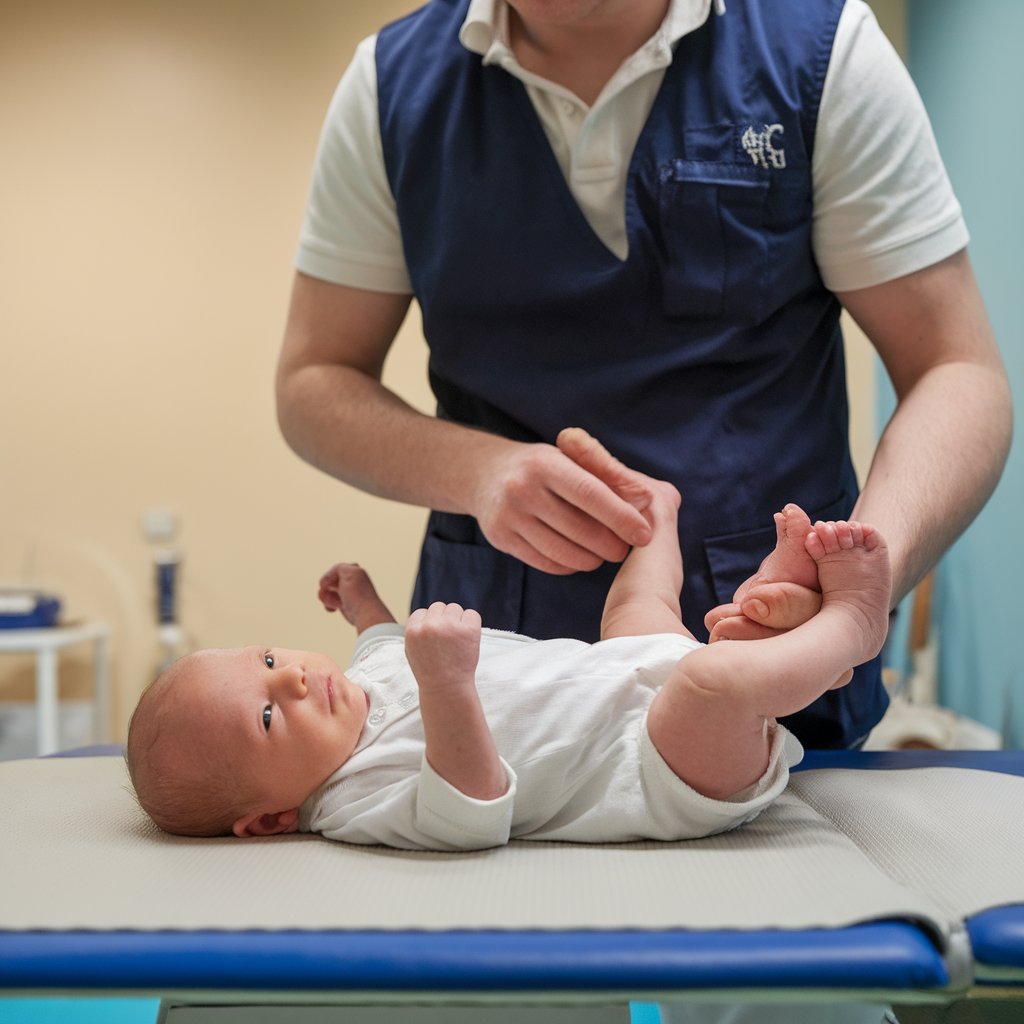
Many signs of Down syndrome appear at birth, including certain physical features. Some newborns may have a flatter facial profile and a single crease in the palm. Parents often question how these differences affect eye function. Early recognition leads to better care plans, giving each family hope and guidance.
How to Look for an Eye Defect Early
Parents often worry about an eye defect when they see unusual movements or a difference in how their baby interacts with toys. Doctors say a defect may sometimes be subtle, so it helps to look for minor signs. Excessive tearing, unusual eye alignment, or frequent rubbing can signal a problem. In Down syndrome, newborn concerns may involve delayed focus or jerky movements. Regular check-ups within the first year help catch issues fast. Specialists often use gentle lights or small toys to test how well each eye follows movement. If any delay is noticed, early therapy can begin. PT Kids uses exercises that enhance coordination, teaching the baby to turn their head and track objects. Over time, these steps build a response to visual cues and reduce long-term problems.
Understanding Strabismus in a Newborn
Strabismus is when a newborn’s eyes do not align correctly, sometimes drifting inward or outward. This condition can be common in newborns with Down syndrome because of weaker muscles and nerve signals. Strabismus can affect depth perception, making it harder for the child to judge distance or catch a ball. During check-ups, doctors test each eye separately, asking the baby to focus on moving lights or colourful objects. Early treatment might involve patching one eye or using special eyewear. Physical therapy supports these efforts by encouraging control of facial and eye muscles through gentle exercises. When strabismus is caught early, many children improve with consistent guidance. The goal is to promote balanced focus and help each child clearly see their surroundings. This support fosters stronger connections for learning activities.
Tracking the Baby Vision Problem
Tracking a baby’s vision problem starts with family and health professionals’ regular observations. Sometimes, the eyes might not follow movement well, or one eye drifts away while the other stays focused. Because newborns with Down syndrome eyes can have extra sensitivity, eye doctors often suggest gentle lighting at home. Regular check-ups may include tools like an ophthalmoscope to examine the inside of the eye. If a vision problem is found, physiotherapists and occupational therapists coordinate to make a plan. That might involve mild stretching or visually stimulating exercises. Parents can learn activities encouraging the baby to shift focus from near to far distances. Gradually, this helps strengthen the muscles and sharpen images. Children often gain confidence in seeing and exploring their world with patient practise.
Common Issues with Eye Development in a Child with Down’s Syndrome
Common issues with eye development in a child with Down syndrome include strabismus, refractive errors, and difficulty focusing. Low muscle tone can slow the movement of the eyes, while physical characteristics may create extra strain. Early detection is key, so families can start treatment quickly and see better results.
When Low Muscle Tone Delays Eye Movements
Low muscle tone can cause delayed eye movements in babies with Down syndrome. When the muscles around the eyes are weaker, it takes more effort for the child to look at people or objects. This can mean slower visual tracking when a parent waves a toy. Over time, delayed movements make everyday tasks more challenging, like reading or walking around the house. Therapists at PT Kids often suggest eye exercises to help build stability. These may include moving a colored ball side to side while encouraging the baby to follow. Another method is placing interesting shapes at different angles, prompting repeated head and eye movements. Consistency remains crucial. Doctors aim to support better visual interaction by targeting low muscle tone early. This can also boost a child’s overall development.
Physical Characteristics Impacting Vision
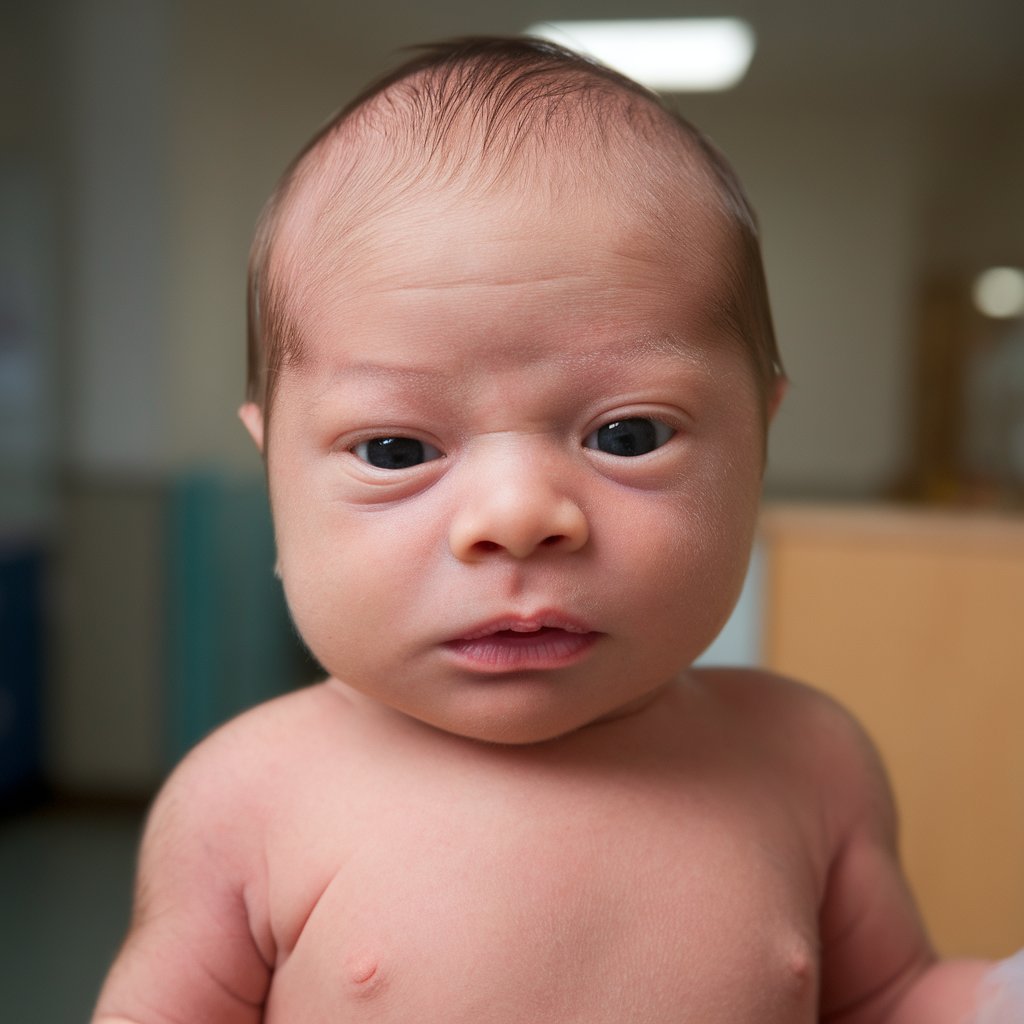
Physical characteristics such as a smaller nose bridge or upward slanting eyelids can influence how a child sees. These traits might cast slight shadows or limit peripheral vision. For example, an eyelid fold can reduce the amount of light entering the eye. Over time, these differences change how well a child focuses on faces. Some families notice that their baby’s eyes appear crossed or drooping. In some instances, glasses can correct minor issues related to concentrating. Therapists also teach children ways to adapt, like turning their head to a more comfortable angle. Through these simple shifts, kids can navigate the world with greater ease. PT Kids encourages families to schedule routine eye exams, ensuring that any challenges are addressed before they grow bigger. This prevents larger problems later on.
Why Extra Care Helps Prevent Further Defects
Extra care means looking closely at your child’s development from an early stage. When a defect is noticed, fast action can prevent bigger issues later. This might involve seeing a paediatric eye specialist, visiting PT Kids, or following home exercises. A thorough approach ensures that minor weaknesses in eye movement are addressed before they become harder to fix. Extra care can also mean partnering with teachers and daycare staff so they understand a child’s vision needs. Consistent follow-ups, such as vision screenings every few months, allow parents to spot changes quickly. Over time, these steps keep minor problems from becoming major setbacks. When families stay proactive, children often thrive with fewer learning, play, and growth interruptions. It is a simple way to protect a child’s bright future ahead.
Physiotherapy Approaches for Eyes in People with Down’s Syndrome
Physiotherapy can make a significant impact on the eyes in people with Down syndrome. Children learn to follow objects, improve focus, and strengthen muscle control through guided exercises. Sessions often involve toys, lights, and playful activities. Each plan is personalised, giving families the support they need for strong visual development.
Early Intervention Strategies from PT Kids
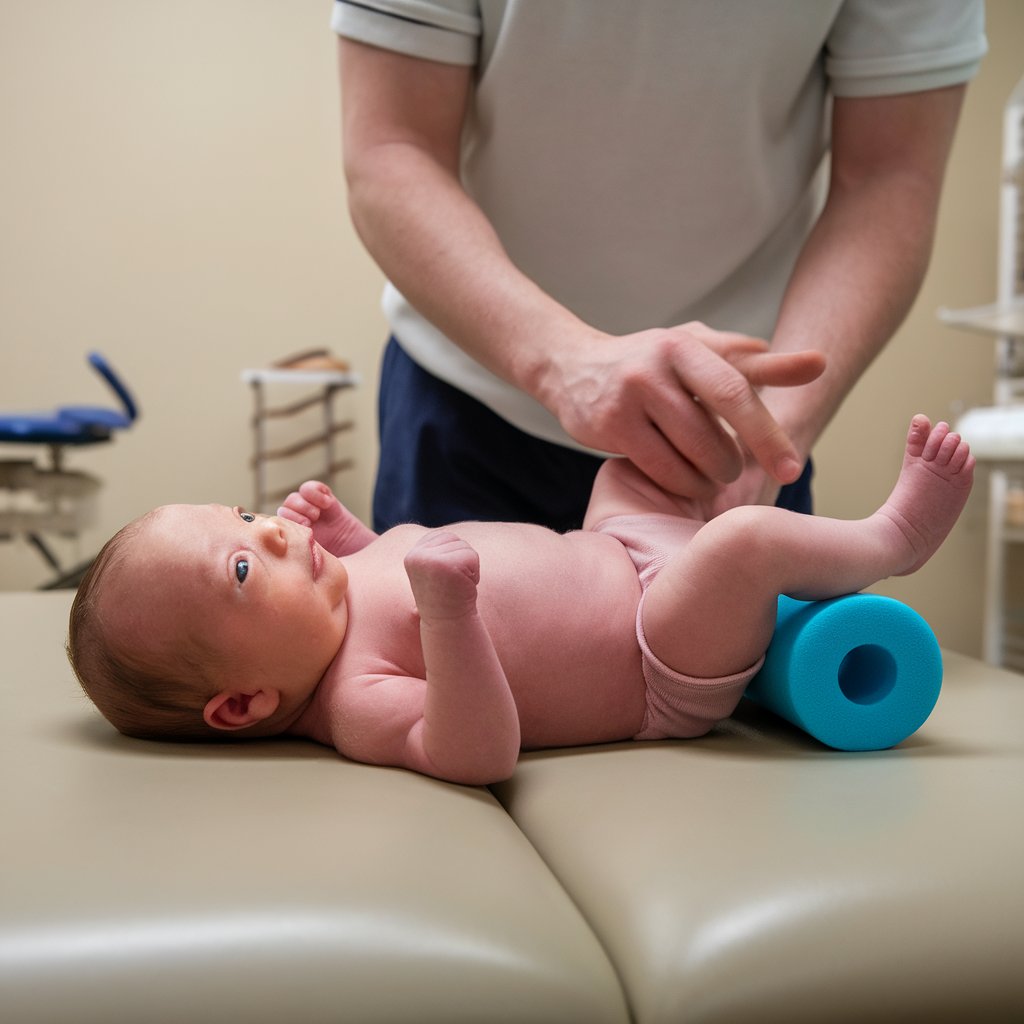
Early intervention through PT Kids often starts with a detailed consultation, where therapists evaluate eye alignment, muscle strength, and how the child follows moving objects. After this assessment, they create a custom plan. Sometimes, therapy includes tracking bright stickers on a wall or practising face-to-face interaction to build social and visual skills. Each exercise is fun and age-appropriate, so the child stays engaged. Parents may be invited to learn techniques they can use at home. For instance, following a favourite toy in slow, gentle arcs can improve the child’s range of vision.
For some infants, hydrotherapy for babies with physiotherapy supports offers a gentle, effective way to enhance these early developmental goals. The warm water setting helps babies relax, while guided movements encourage visual engagement and body awareness. By starting early, families can identify concerns before they become major obstacles. Over multiple sessions, eye control and focus improvements can help a child explore their environment with new confidence. Keep consistent.
Exercises for Strabismus and Other Vision Problems
Children with strabismus or other vision problems may need different exercises to train their eyes to work together. One method involves covering the stronger eye to encourage use of the weaker one. Another approach focuses on having the child follow a moving target across a wide arc in a room. Therapists at PT Kids adjust these exercises for each child’s needs, ensuring the right level of challenge. Over time, consistent practise can lower the risk of complications like double vision.
The table below highlights two common exercises often used in therapy. Each technique targets eye control and alignment, guiding the child toward smooth vision coordination. This helps.
| Exercise Name | Goal |
|---|---|
| Eye Patching | Strengthen weaker eye |
| Wide Arc Tracking | Encourage coordinated eye movement |
Achievements may appear small initially, but each step helps the child see clearly. Gradually, tasks like reading become less frustrating.
Family Involvement for Better Eye and Vision Outcomes
Family involvement is vital in improving a child’s eye and vision. When parents or siblings join therapy sessions, they learn practical ways to help at home. This could involve encouraging the child to track a moving object or reading picture books together. Repeating these tasks daily strengthens the muscles around the eye, and the child gains confidence. At PT Kids, therapists may suggest fun activities like blowing bubbles or balloon games that prompt children to look up, down, and side to side. Family participation also creates a warm support system, reducing any anxiety a child might feel. Over time, these moments of shared practise lead to better tracking, focus, and overall eye health. A consistent family effort is the key to long-lasting success. Forward progress.
Conclusion
Eye development in newborns with Down syndrome requires a caring plan. From birth onward, families benefit from quick attention to eye issues, supported by therapy and medical guidance. A baby with eyes that look like Down syndrome can still grow strong with consistent steps. Everyone’s teamwork leads to brighter futures now.


