Introduction
If you have found yourself asking why my child has mood swings, you are certainly not alone. Many parents and carers across the UK notice significant emotional changes in their children and feel unsure whether what they are seeing is a normal part of growing up or something that needs professional support. Mood shifts are often completely natural, but understanding what is typical and what might signal a deeper concern is an important step in supporting your child’s overall development. For families looking for professional guidance, PT Kids provides specialist children’s therapy support to help parents better understand and manage their child’s emotional and developmental needs.
Understanding Emotional Development in Children
Children are not simply small adults. Their brains are still developing, which means their ability to process feelings, manage frustration and regulate their responses to the world around them is genuinely limited compared to older adolescents and grown-ups.
Emotional development follows a gradual path. Toddlers are famously reactive. School-age children begin to develop more self-awareness. At every stage, these changes are a natural feature of growth, not an automatic sign that something is wrong.
Outbursts, tears or sudden withdrawal can all be entirely age-appropriate responses to a child’s internal experience, even when they feel overwhelming to manage as a parent or carer.
Common Reasons Why Children Have Mood Swings
Tiredness, Hunger and Physical Needs
Some of the most straightforward causes are also the easiest to overlook. Tiredness and mood are closely linked, particularly in younger children who have not yet developed the ability to recognise or communicate how tired they feel. A child who is not sleeping well may become irritable, tearful or difficult to settle during the day, and recognising the signs of overtiredness in children can help parents respond earlier and support healthier sleep patterns.
Similarly, hunger and behaviour are connected more directly than many parents realise. A missed snack or delayed mealtime can trigger frustration that might seem disproportionate to the situation.
Life Changes and New Pressures
Starting a new school, moving home, welcoming a new sibling, or changes within the family unit can all create uncertainty for a child, which often surfaces as shifts in mood and behaviour. Children may not always have the vocabulary or emotional awareness to express what they are feeling, so those feelings come out through behaviour instead. Recognising this can help parents and carers respond with patience rather than frustration.

When Mood Swings Are Not Normal
While emotional ups and downs are part of childhood, there are times when they may indicate something more significant that warrants closer attention.
If your child’s outbursts are becoming more frequent and intense, or if mood shifts appear sudden and feel disproportionate to what is happening around them, it is worth taking note. Sudden behaviour changes with no obvious explanation, or a child pulling away from activities and friendships they previously enjoyed, can be early signs that something more is going on beneath the surface.
Children often express emotional difficulty through the body rather than through words, so recurring stomach aches or headaches without a clear medical cause are also worth monitoring. Persistent worry, avoidance, clinginess, prolonged sadness or a noticeable loss of energy in daily life all suggest that some professional guidance could make a meaningful difference. These signs do not automatically point to a serious condition, but they do indicate that your child may benefit from additional support.
How to Help a Child With Emotional Outbursts at Home
Create a Calm and Consistent Environment
Consistency is one of the most effective things a parent or carer can offer. Children feel safer when they know what to expect, and regular routines around meals, sleep and downtime can reduce the frequency and intensity of difficult moments significantly.
When your child is in the middle of an outburst, staying calm yourself makes a real difference. Validate their feelings without reinforcing the behaviour, and try not to meet high emotion with high emotion.
Talk About Feelings Regularly
Building emotional vocabulary does not need to be formal or structured. Everyday conversations about how different situations feel can gradually help your child develop the language and awareness to manage their inner world more effectively. Ask open questions, reflect on what you observe and make clear that all feelings are welcome, even when certain responses are not.
Reduce Known Triggers
Where you can identify patterns, such as particular transitions, social situations or sensory environments, making small practical adjustments around those can reduce the overall level of emotional pressure your child is carrying. Small, consistent changes at home often have a greater impact than parents expect.
When to Seek Professional Support
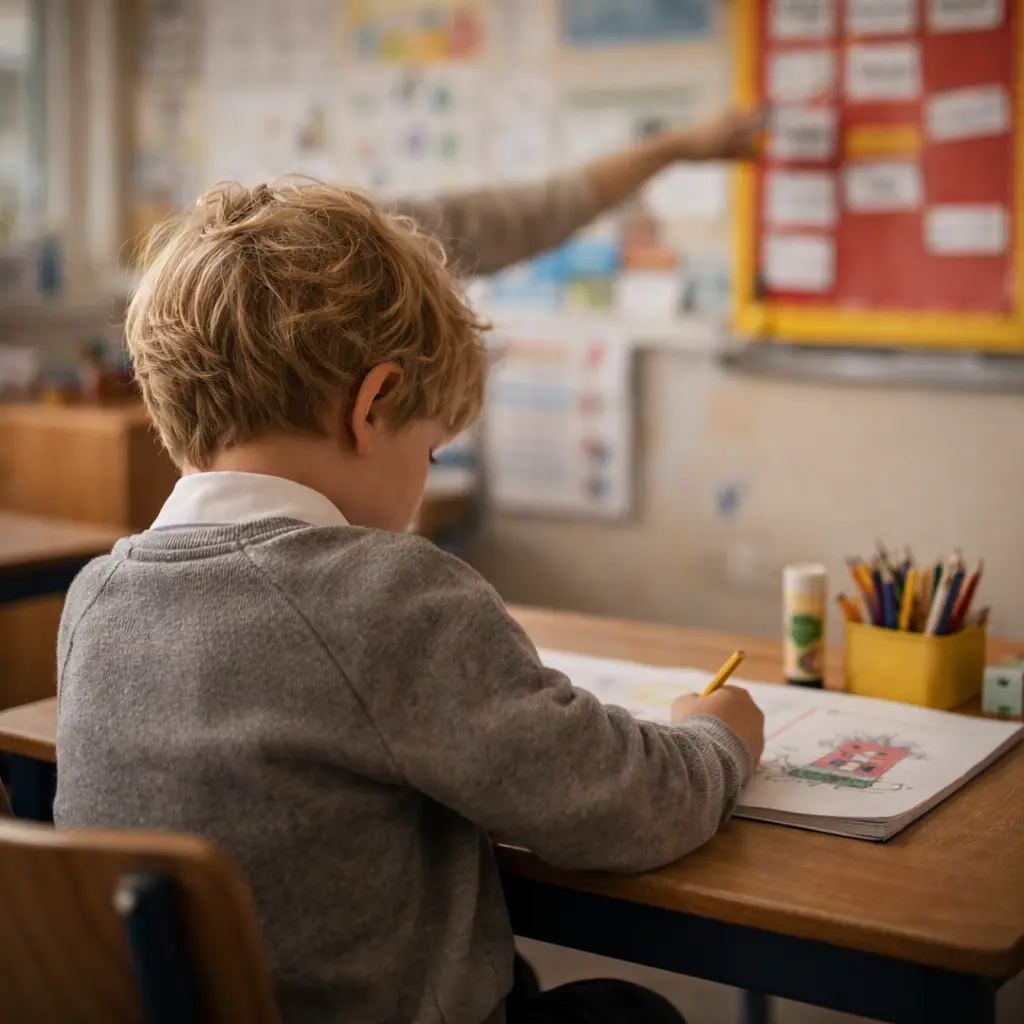
If home-based adjustments are not making a difference, or if your child’s emotional difficulties are affecting their relationships, school life or daily functioning, it may be time to seek professional input.
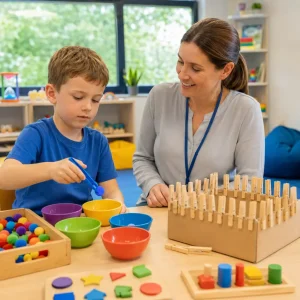
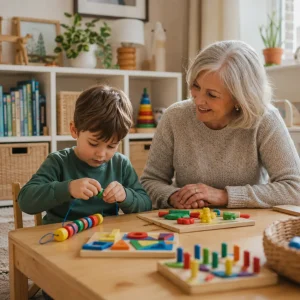
Occupational therapy can be particularly valuable for children experiencing emotional and sensory difficulties. At PT Kids, occupational therapists work with children to build the practical skills needed for daily life, including approaches to emotional regulation, sensory processing and resilience.
Where physical tension or stress-related symptoms are part of the picture, physiotherapy can also contribute to a child’s overall sense of wellbeing. A joined-up approach that considers both the physical and emotional aspects of a child’s experience tends to produce the most meaningful outcomes.
If you are concerned about your child’s behaviour or emotional wellbeing, getting in touch with our team can be a helpful first step. We work closely with families, schools and other healthcare professionals to ensure children receive the right support at the right time.
Conclusion
PT Kids provides professional physiotherapy and occupational therapy support tailored to children’s individual needs across the UK. Whether your child is navigating big feelings, developmental changes or something more complex, you do not have to manage it alone. If you have concerns about your child’s emotional wellbeing or daily functioning, friendly and expert guidance from a team that genuinely understands children’s development can help families find the right support.