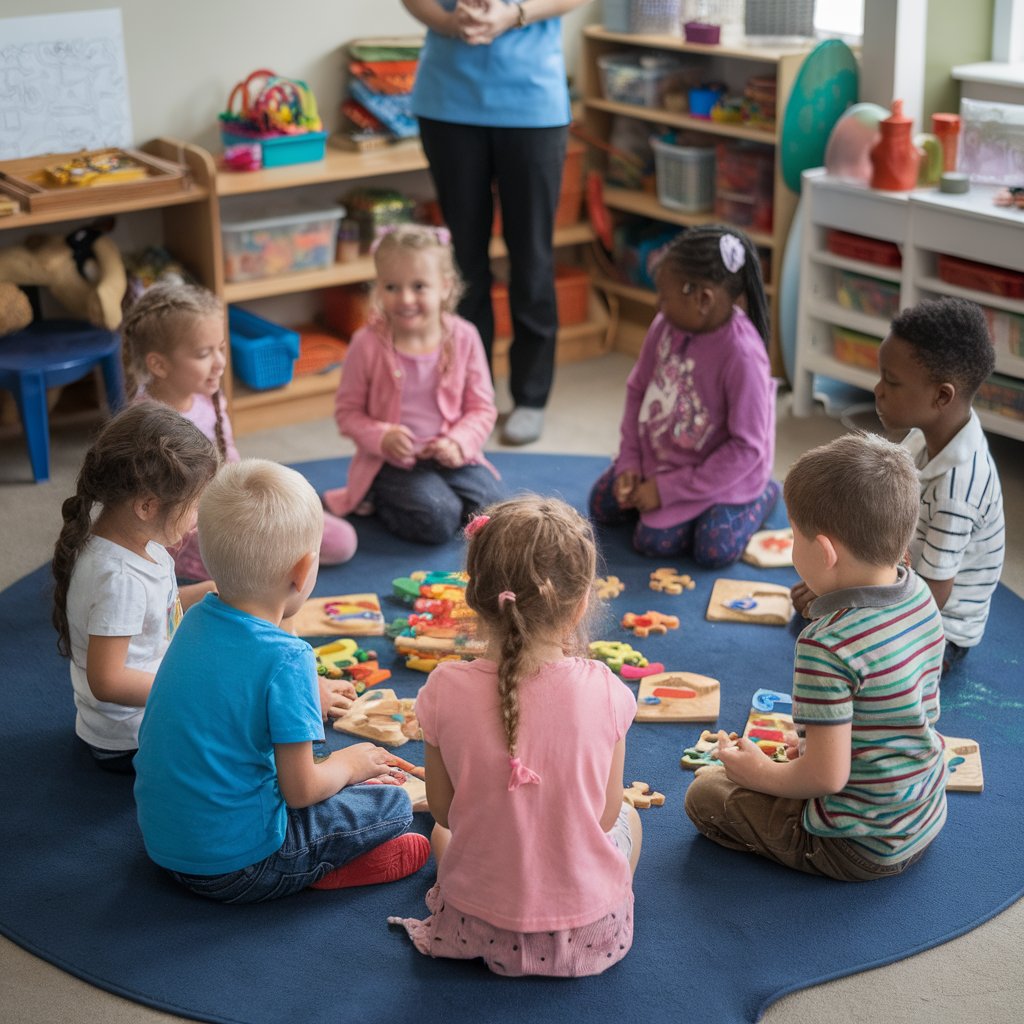
Does your child struggle to make friends or join in with others? You’re not alone.
Here in the UK, loads of families are quietly navigating these same challenges. The good news is that occupational therapy isn’t just another task on your to-do list. It’s actually quite different from the usual “just encourage them more” advice you might have heard. We’re talking about structured, hands-on approaches that are designed around your specific child — not some generic textbook example.
At PT Kids, we focus on activities to build social skills that translate into real situations. Not role-playing exercises that feel awkward, but genuine practice for the playground, and family gatherings. Because let’s be honest — social skills go way beyond remembering to say please and thank you. They’re about helping your child develop the confidence to speak up, recognise when their friend is having a bad day, and feel comfortable being themselves around others.
The beauty of getting the right support early on (tailored to what your child actually struggles with, not what we assume they should be working on) is that social interactions gradually become less exhausting and much more rewarding.
Why Getting Social Skills Right Actually Matters
Social skills help children have proper conversations, pick up on when their mate is feeling rubbish, and build friendships that last longer than a week. Quite a few parents have asked us “how to build social skills” that stick around — not just the basic manners that seem to vanish the moment they hit secondary school.
The thing about occupational therapy is that we start by looking at what your child is already brilliant at (and trust me, there’s always something) before tackling the areas where they’re struggling. This gives us a proper plan for building empathy, problem-solving, and better ways of interacting with others. According to NHS guidance, getting support early on for social development challenges can make a real difference — research backs this up, showing that children who get the right help often see massive improvements in friendships and how they get on at school.
When we focus on activities that naturally encourage these skills, children slowly but surely gain confidence to be themselves in all sorts of situations — whether that’s speaking up at the dinner table or a school assembly.
Ways to Build Social Skills (That Don’t Feel Like Hard Work)
Forget those cringeworthy worksheets about feelings. Real progress happens when children are actually doing something interesting, not sitting still, talking about hypothetical situations.
- Role-playing games can be absolute gold for practising tricky moments. Children get to rehearse turn-taking, handling disagreements, or even just asking someone if they want to play — showing them exactly how you can build social skills through everyday situations. We’ve watched incredibly shy children completely transform after working through scenarios like “What would you do if someone took your favourite pencil?” in a space where they feel safe to experiment.
- Story-based activities are another winner. When children chat about why a character might be feeling angry, or guess what could happen next in the story, they’re learning to think beyond their own perspective. It’s basically social skills training dressed up as story time — and the children have no idea they’re “working” on anything.
- Doing things together at home gives you some of the best opportunities to practice these skills naturally. Cooking as a family requires loads of communication, patience, and teamwork (and yes, someone usually gets to lick the mixing bowl afterwards). Even something as simple as sorting out a messy playroom becomes a lesson in cooperation when children have to negotiate who does what and work towards the same goal.

When Things Get More Complicated
Some children need a bit more focused help with handling shyness, feeling anxious in groups, or just not feeling great about themselves. Building social skills in children who have additional challenges often means breaking things down into smaller, less overwhelming chunks.
- Activities that help with sensory processing can make a huge difference in how well children can focus during social situations. A child who’s constantly distracted by scratchy labels or loud noises is going to struggle to pick up on social cues, no matter how hard they try.
- Simple calming strategies give children tools for when group activities start feeling too much. We might teach them breathing techniques, basic mindfulness exercises, or show them how to use fidget toys discreetly when they need to self-regulate during playtime.
- Small group activities help build cooperative skills gradually. Sometimes we literally start with just two children sharing one game before gradually working up to larger groups — because jumping straight into a busy playground can feel overwhelming.
Every approach needs to work with UK developmental guidelines while actually fitting your child’s specific personality and challenges. Because cookie-cutter programmes rarely work when it comes to helping individual children thrive socially.
Making It Stick: Integrating Strategies into Daily Life
What loads of families don’t cotton on to is this: the really effective work happens at home, in between the formal sessions.
Group projects at school give children chances to figure out fair rules, split up tasks, and work together towards something they all want to achieve. The trick is doing these things regularly — not just when you suddenly remember you’re supposed to be “working on social skills.”
Ready to Support Your Child’s Social Development?
A structured focus on social development genuinely empowers children to communicate more effectively and navigate friendships with growing confidence. Activities to build social skills benefit far more than just peer relationships — they improve emotional well-being, classroom participation, and overall engagement in community life.
Through occupational therapy techniques designed around each child’s specific needs, children often experience steady progress in emotional awareness, self feeding independence, and group participation. At PT Kids, we align these strategies with NHS frameworks and UK developmental standards to ensure improvements are practical, long-lasting, and genuinely supportive of your child’s unique journey.
Concerned about your child’s social development? Book an assessment with PT Kids today. Our experienced occupational therapists will create a personalised plan to help your child build the social skills they need to thrive — both now and in the future.