Introduction
Understanding how much physical activity children need each day is something many parents and carers think about, particularly as screen time competes more than ever with active play. Regular movement is fundamental to healthy childhood development, supporting not only physical growth but also emotional wellbeing, concentration and social skills. Whether your child enjoys football in the garden, swimming at the local leisure centre, or simply running around with friends at school, daily movement is one of the most important foundations during the early and middle years of childhood. Some families also explore support for children’s physical development when they want guidance on encouraging healthy movement habits.
How Much Exercise Should Children Get Each Day?
The NHS provides clear guidance on physical activity recommendations depending on a child’s age. These are best understood not as rigid targets but as a helpful framework for building active habits into everyday life.
For children aged five and over, at least sixty minutes of moderate to vigorous activity every day is recommended. This does not need to happen all at once. Movement that accumulates across the day, through active travel, playtime, sport and physical education at school, all count towards that total.
For younger children who are already walking independently, being physically active for at least three hours throughout the day is advised, spread across a variety of movement types and active play.
What Counts as Moderate and Vigorous Activity?
Not all movement looks the same, and understanding the difference between moderate and vigorous activity helps when thinking about your child’s daily routine.
Moderate activity raises the heart rate and causes a child to breathe a little faster, but they can still hold a conversation. Examples include:
- Brisk walking or cycling on flat ground
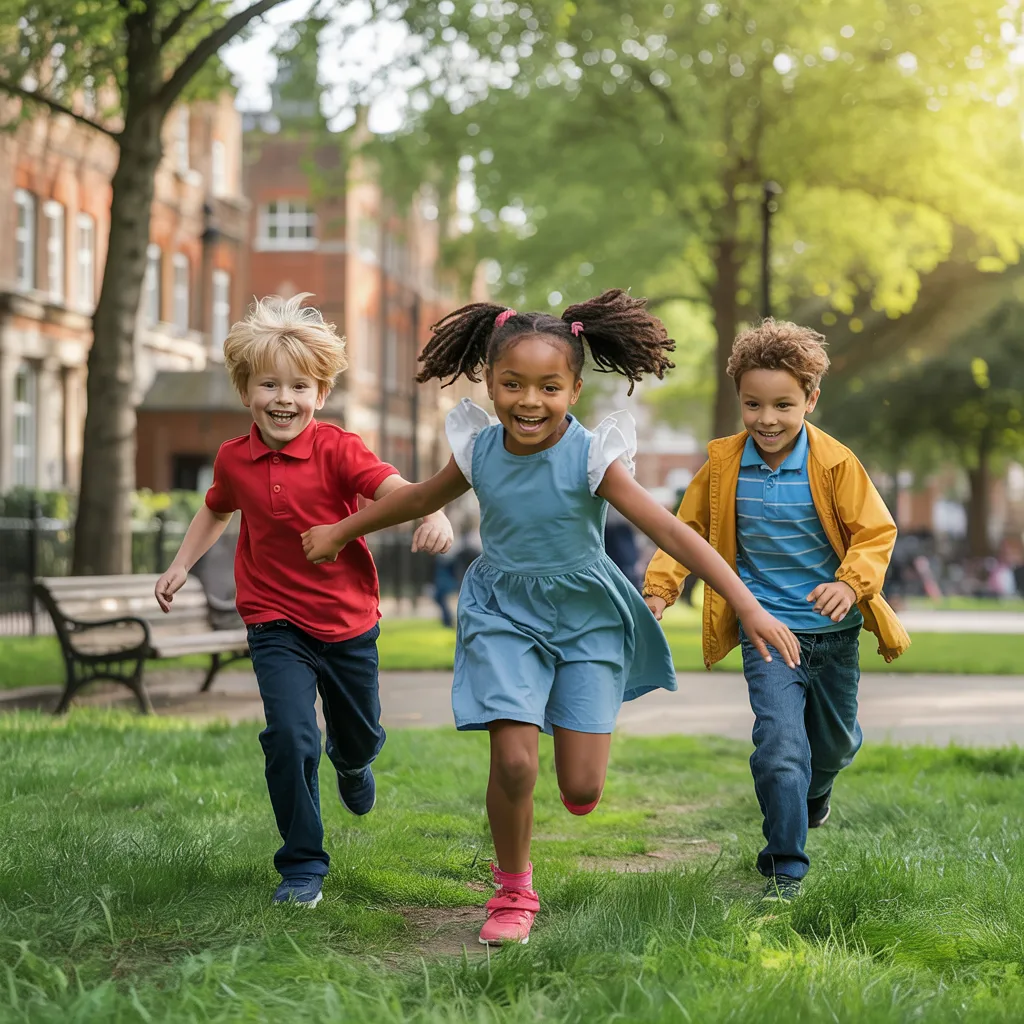
- Active playground games such as tag or skipping
- Recreational swimming
- Riding a scooter
- Dancing or gymnastics classes
Vigorous activity is more intense and leaves a child breathing hard, making conversation more difficult. Examples include:
- Running or sprinting
- Competitive swimming
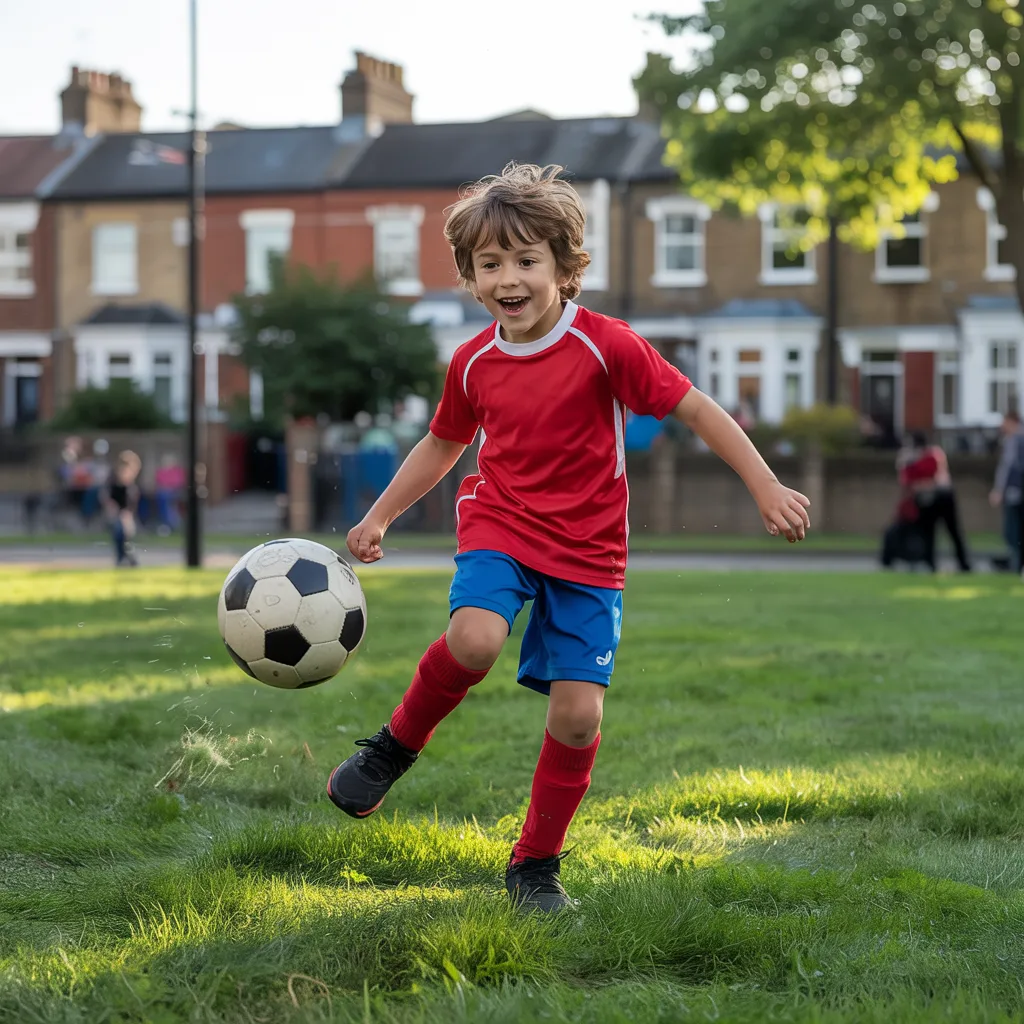
- Football, basketball or other fast-paced team sports
- Martial arts
- Skipping rope at a pace
Both types contribute to a child’s daily total, and a healthy mix supports different aspects of physical development.
Muscle and Bone Strengthening Activities
Alongside aerobic activity, children benefit from movement that specifically strengthens muscles and bones. This does not need to be structured or gym-based. Climbing frames at the park, gymnastics, jumping, skipping and even carrying a school bag all contribute meaningfully. Incorporating a variety of movement types across the week ensures different systems in the body are being supported, rather than relying on one form of activity alone.
Why Is Physical Activity Important for Children?
The benefits extend well beyond physical fitness. Regular movement during childhood has a meaningful impact across several areas of development and wellbeing.
Physical Health and Development
Active children tend to develop stronger muscles, healthier bones and better cardiovascular fitness than those who are largely sedentary. Regular movement also supports a healthy weight and builds the physical foundations children need to participate confidently in school activities and everyday life.
Physiotherapists frequently highlight the importance of movement variety in supporting a child’s physical development. Children who engage in a range of activities tend to build more balanced strength, flexibility and coordination than those whose movement is limited or repetitive.
Emotional Wellbeing and Mental Health
Movement releases endorphins, supports better sleep and provides children with a healthy outlet for energy and frustration. Children who are regularly active often show greater resilience, better emotional regulation and an improved ability to manage the demands of school and social life. The connection between physical activity and emotional wellbeing in children is well recognised and consistently supported by research.
Cognitive Development and Learning
There is a strong connection between regular movement and a child’s ability to concentrate, retain information and engage with learning. Active children tend to show improved attention spans and better performance in tasks requiring focus and problem-solving. Physical education and active breaks during the school day actively support learning rather than detract from it.
Social Skills and Confidence
Team sports, group activities and active play provide natural opportunities to develop communication, cooperation and confidence. Learning to manage winning and losing, work as part of a group and navigate social situations through sport and play are experiences that serve children well beyond childhood.
How to Help Your Child Be More Active Every Day
For many families, fitting in enough daily movement is a practical challenge rather than a matter of motivation. Physical activity does not need to be structured, expensive or time-consuming to be effective.
Some simple and sustainable ways to build more movement into your child’s day include:
- Walking or cycling to school, where distance and safety allow
- Encouraging active play during breaks rather than screen-based activities
- Visiting local parks, playgrounds or leisure centres at weekends
- Signing up for a local sports club, swimming lessons or gymnastics class
- Making family walks, bike rides or active outings a regular part of the week
- Limiting prolonged sitting during evenings and encouraging movement breaks
The most important factor is finding activities your child genuinely enjoys. Children who feel competent and have fun during physical activity are far more likely to remain active as they grow older.
When Physical Activity Feels Like a Struggle
For most children, building activity into daily life is straightforward with a little encouragement and opportunity. However, some children find movement genuinely challenging due to difficulties with coordination, balance, strength, stamina or motor development.
If your child avoids physical activity, tires unusually quickly, struggles with coordination during play or seems significantly less physically capable than their peers, it may be worth seeking a professional opinion. These patterns can sometimes reflect an underlying developmental need that responds well to early support.
At PT Kids, our physiotherapists support children across the UK who experience difficulties with movement and participating in active play. A tailored assessment helps identify what may be affecting your child and allows us to create a practical plan to build their confidence and physical skills. If you have noticed any of these signs, getting in touch with our team is a helpful and straightforward next step.
Conclusion
Daily movement is one of the most powerful investments a family can make in a child’s health, development and wellbeing. Whether it is structured sport, active play, or simply walking to school, keeping children moving matters at every age. When physical challenges make activity harder, early support can make a real difference. In some cases, children may also benefit from support with following instructions and routines, which can influence how confidently they participate in activities.
PT Kids provides expert physiotherapy and occupational therapy for children across the UK. Contact our team today to find out how we can support your child’s physical development and confidence.