Introduction
It is one of those things that stays with you as a parent. You watch your child slow down, drop out of the game, or sit on the sidelines while others carry on, and you wonder whether something is wrong. Most children are expected to bounce back quickly from physical activity, so when your child gets tired easily and this happens consistently, it is natural to want answers. Fatigue during play or sport is not something to dismiss, particularly when it is affecting your child’s confidence, their willingness to join in, or their enjoyment of everyday movement. Understanding what is behind it is the first and most important step. For families looking for guidance and support, PT Kids offers helpful information and access to professional advice.
Is It Normal for Children to Tire Quickly?
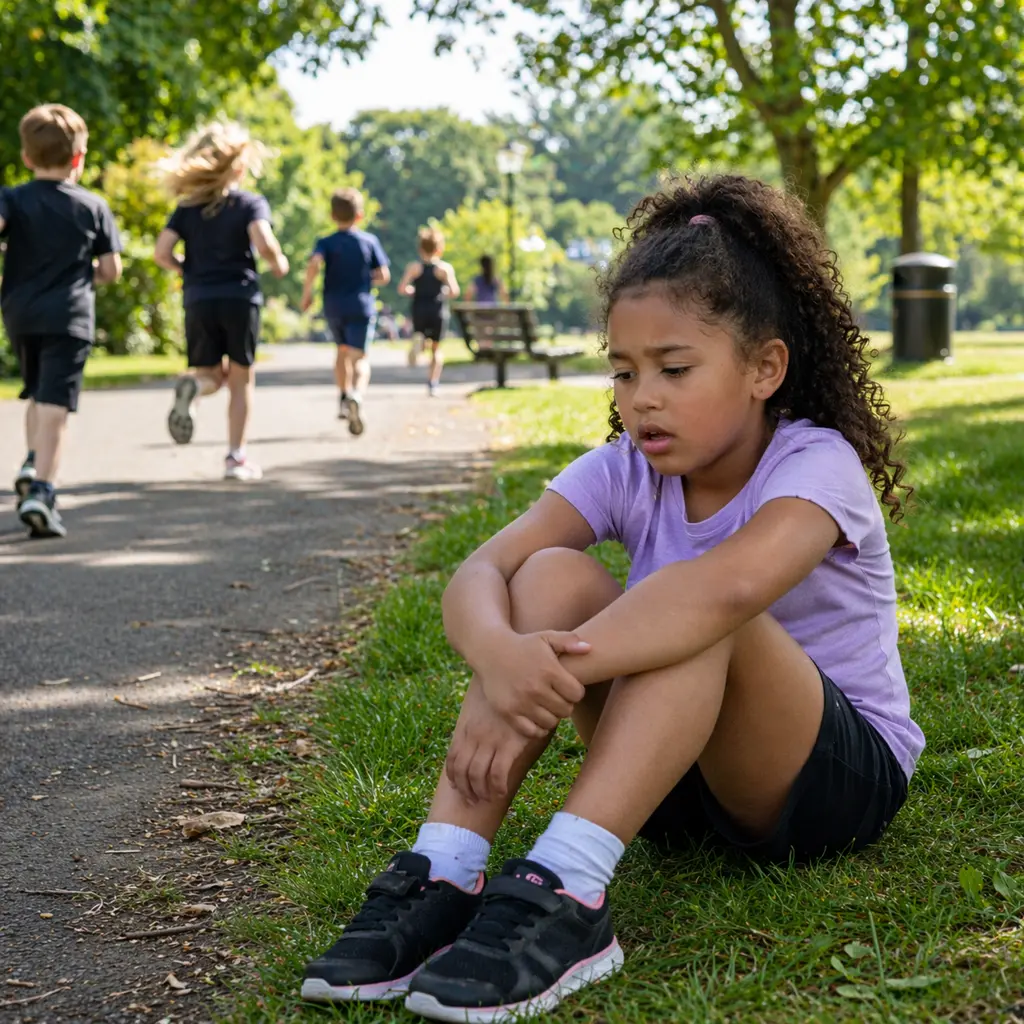
Children vary considerably in their natural energy levels, physical fitness, and stamina, and some tiredness after vigorous activity is entirely expected. The concern arises when a child tires noticeably more quickly than peers of a similar age, begins avoiding physical activity because of how it makes them feel, or shows signs of fatigue during activities that should be comfortably within their reach.
If your child regularly struggles to keep up during play, withdraws from sport, or complains of tiredness and heaviness during mild exertion, it is worth looking more carefully at what may be driving that pattern rather than waiting to see if they simply grow out of it.
Common Reasons Why Children Have Low Stamina or Tire Easily
Low stamina and fatigue during physical activity can stem from a wide range of causes, and in many children more than one factor is at play. Understanding what is most relevant to your child is the starting point for making things better.
Poor Sleep and Rest
Sleep is the foundation of everything in a child’s development, including their energy, mood, and physical recovery. A child not getting sufficient quality sleep will often present with low energy during the day, reduced tolerance for physical effort, and real difficulty sustaining activity. Poor sleep habits, difficulty settling at night, and unidentified sleep difficulties are all worth considering when a child is consistently fatiguing during movement and play.
Physical Inactivity and Deconditioning
Children who spend long periods in sedentary activity, whether through habit, illness, or extended screen time, can experience a gradual decline in cardiovascular fitness and muscular endurance. When a largely inactive child attempts sustained physical effort, the body is simply not conditioned to support it and fatigue sets in quickly. This cause responds well to a gradual, supported return to movement rather than sudden increases in activity.
Nutritional Factors
What a child eats has a direct effect on how much energy they have available for physical activity. Diets low in iron, essential vitamins, or overall nutritional quality can contribute to persistent tiredness and reduced exercise tolerance. Dehydration is also frequently overlooked. Even mild fluid depletion can cause a noticeable drop in energy and physical performance, particularly during warmer weather or more demanding activity. If your child seems to energy crash quickly, it is worth reflecting on what they are eating and drinking around activity.
Anxiety and Emotional Wellbeing
Anxiety and emotional stress place a genuine physiological burden on the body. Children carrying significant worry or emotional tension may experience real fatigue and a reduced capacity for sustained effort even without an underlying medical explanation. This is particularly relevant for school age children experiencing social pressures, fear of failure in PE, or anxiety around performing in front of peers. In some children, this may also present as reluctance to engage socially or make eye contact, reflecting how closely emotional and physical wellbeing are connected.
Underlying Health Conditions
In some cases, persistent fatigue during physical activity points to an underlying health condition requiring medical investigation. Conditions affecting the heart, lungs, muscles, or immune system can all present with exercise intolerance as an early symptom. Iron deficiency anaemia is one of the more common medical causes of low stamina in children and is worth raising with your GP, particularly if your child also appears pale, breathless, or generally low in energy outside of activity.
Muscle Weakness and Motor Development Difficulties
Children with low muscle tone, delayed motor development, or physical coordination difficulties may tire significantly more quickly during activity because their muscles are working considerably harder than those of their peers to achieve the same movement. Persistent fatigue during play or PE can be one of the earlier signs that a child’s physical development would benefit from professional assessment and support.
How Fatigue Affects Your Child Beyond the Playground
The effects of persistent fatigue reach well beyond the activity itself. Children who find physical exertion difficult frequently begin to avoid it, which further reduces their fitness and stamina over time, creating a cycle that becomes increasingly hard to interrupt without support.
Struggling to keep up with peers during play or PE can affect a child’s confidence, friendships, and sense of belonging in group settings. At home, parents often observe a child choosing sedentary activity not out of genuine preference but because movement feels harder than it should. Teachers may notice disengagement during physical education that is misread as lack of interest rather than recognised as a genuine physical difficulty.
What You Can Do to Support Your Child at Home
There are practical steps parents and carers can take before or alongside seeking professional input.
- Review sleep routines and ensure your child is getting consistent, good quality rest appropriate to their age
- Reflect on what your child is eating and drinking around periods of physical activity and whether their overall diet is nutritionally adequate
- Introduce movement gradually rather than encouraging intense activity, particularly after a period of inactivity
- Note whether fatigue appears linked to specific settings, activities, or times of day, as this information is valuable when speaking to a professional
- Speak with your child’s school about what staff are observing during PE and whether any concerns have been raised
- Avoid placing pressure on your child around physical activity, as this can compound existing anxiety and make avoidance more likely
How Paediatric Physiotherapy Can Help
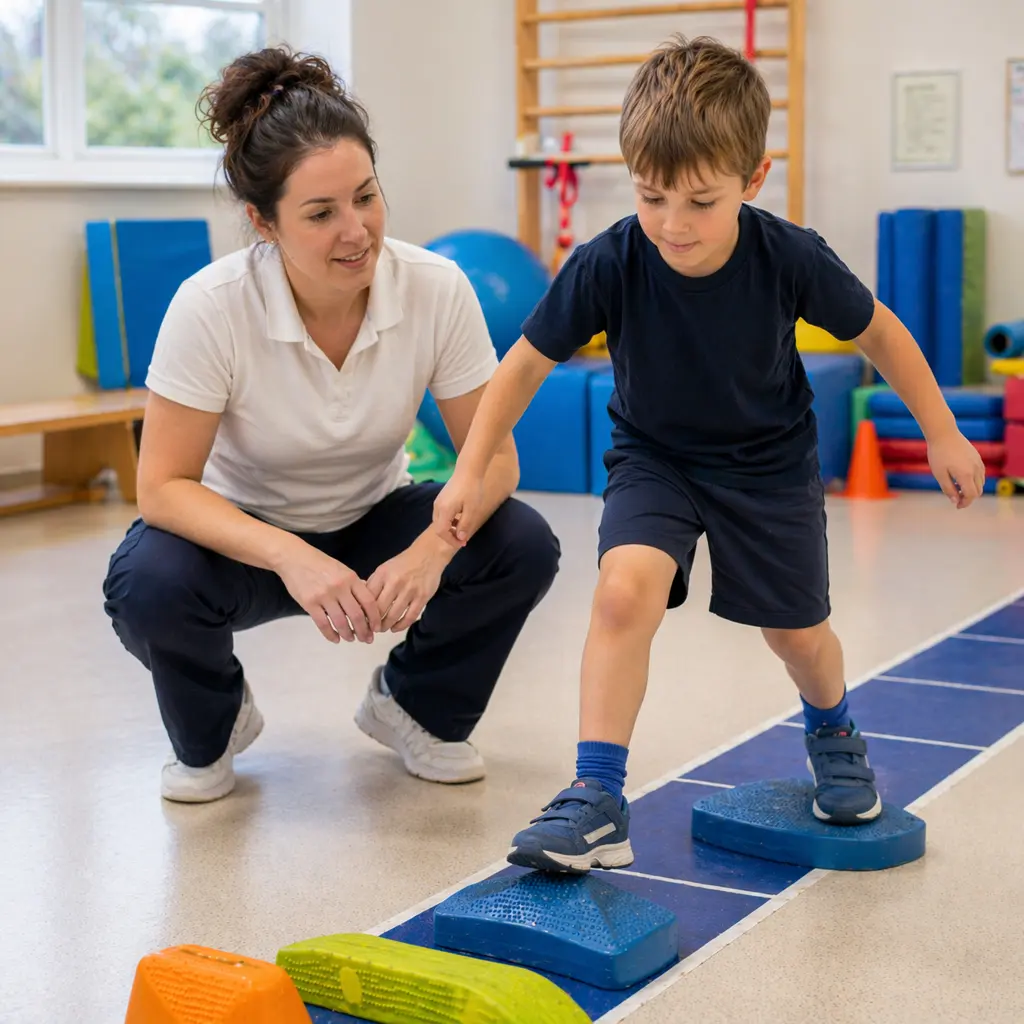
A paediatric physiotherapist will assess your child’s strength, endurance, movement patterns, and physical capacity, identifying the specific factors contributing to their fatigue. A tailored programme can then be developed that builds stamina progressively, improves muscle strength, and supports your child to engage more comfortably with physical activity at school and at home. At PT Kids, many families find that a single conversation with our team provides the clarity they need to decide on the most appropriate next step.
Conclusion
A child who gets tired easily during physical activity deserves to be properly understood, not simply encouraged to push through. Fatigue in children has many possible causes, and finding the right explanation makes all the difference to how effectively it can be addressed. Whether the answer lies in sleep, nutrition, emotional wellbeing, or physical development, early support leads to better outcomes for children and families. PT Kids is here to help you make sense of what you are seeing and put the right support in place.
[wpcode id=”3747″]