Introduction
Children engage in play in different ways, with some preferring independent play and others seeking out group activities. When children avoid group play, it can raise questions about confidence, friendships, and whether something might be wrong. This concern often increases once children start nursery or primary school, where group learning and social interaction become more visible.
In reality, preferring solitary play is often a normal and healthy part of child development. Some children recharge through independent play, while others need more time to feel comfortable in group settings. This article explores why some children choose to play alone, how this fits into typical development, and when occupational therapy support for children can gently help build social confidence and participation. Understanding the reasons behind these preferences allows parents to respond with reassurance rather than pressure.
Understanding Social Play in Child Development
Social play develops gradually and looks different at each stage of childhood. In early years, children often move between playing alone, observing others, and brief shared play. This variation is a normal part of a child’s social development, not a sign of difficulty.
As children grow, social play in children becomes more complex, involving cooperation, turn-taking, and communication. However, not all children reach these stages at the same pace. Some continue to favour independent play while still developing healthy peer relationships in their own way.
Why Some Children Prefer Playing Alone
There are many reasons a child prefers to play alone, and most are linked to temperament rather than ability. Some children are naturally more reflective or introverted and feel most comfortable playing independently or with one familiar friend.
Common influences include:
- A calm temperament that favours quieter play
- Strong imagination and deep focus during solo activities
- Feeling overwhelmed by noise or busy group learning environments
These children are not avoiding others out of fear; they are choosing play that feels regulating and enjoyable.
Playing Alone at School: When Parents Start to Worry
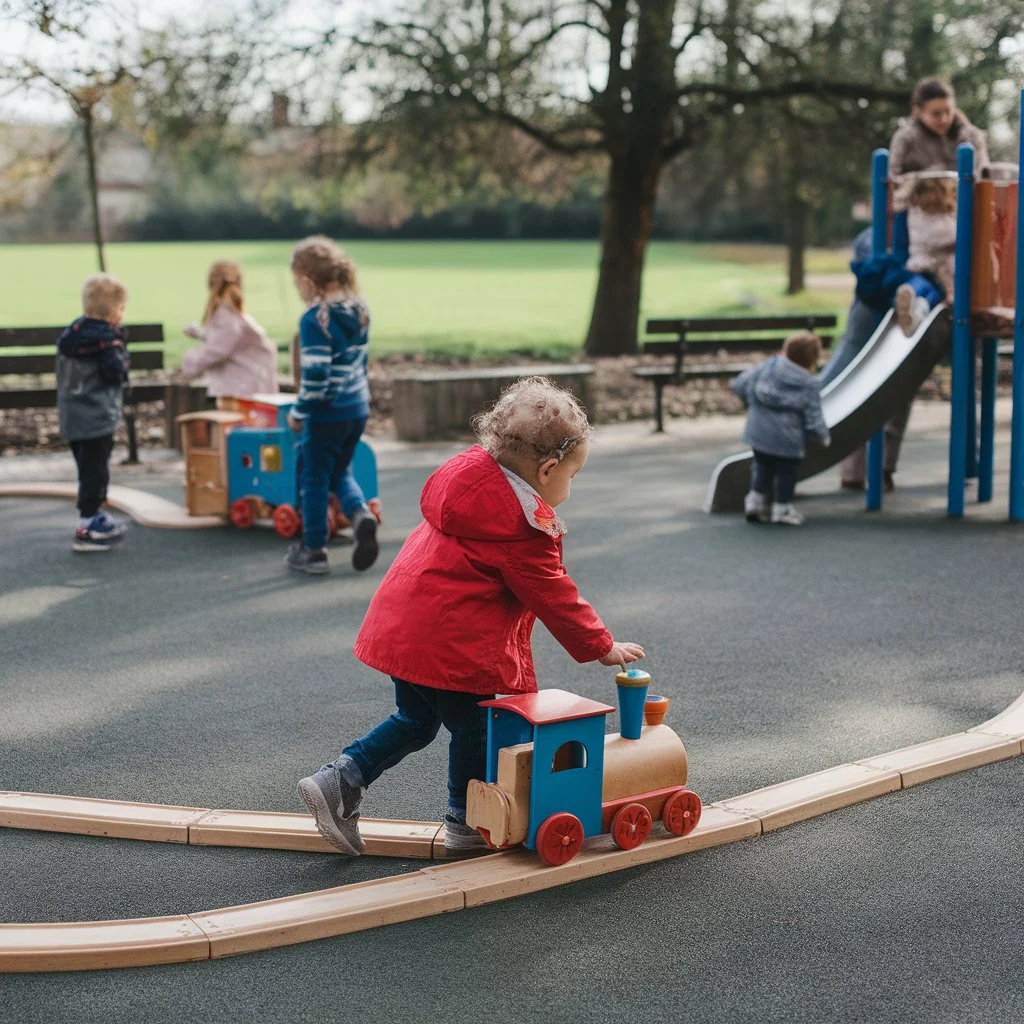
Parents often become more concerned when a child prefers to play alone at school, especially during break times or group tasks. School environments place higher social demands on children, and not all children find these easy to navigate straight away.
Observing rather than joining in can still support learning. Many children build social understanding by watching peers before feeling ready to engage. What matters most is whether the child appears content and emotionally settled, rather than how often they join group activities.
Independent Play vs Avoiding Group Play
It’s important to distinguish between healthy independent play and genuine difficulty with social interaction. Independent play supports creativity, problem-solving, and emotional regulation, and is an important developmental skill.
However, some children experience difficulty joining group play due to factors such as anxiety, low confidence, or challenges with communication. In these cases, children may want to join others but feel unsure how to do so, which can affect a child’s emotional well-being over time.
When Group Play Is Important for Development
Parents often ask why group play for children is essential, particularly if their child seems happy playing alone. Group play helps children practise cooperation, negotiation, and social communication skills that support school readiness.
Group experiences are invaluable for developing:
- Social interaction skills like taking turns and sharing
- Understanding peer relationships and boundaries
- Confidence in structured group learning environments
That said, children benefit most when group play is encouraged gently and at a pace that suits them.
How Occupational Therapy Can Support Social Confidence
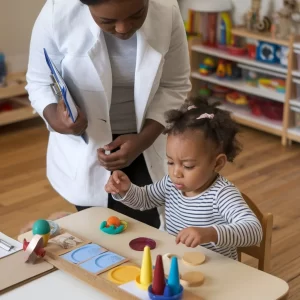
At PT Kids, occupational therapists take a whole-child approach, recognising temperament, sensory needs, and emotional development. Therapy focuses on building confidence and skills without forcing children into uncomfortable situations.
Support may include:
- Helping children feel regulated and confident in social spaces
- Supporting transitions and reducing anxiety around group activities
- Encouraging gradual, positive social experiences that feel safe
This approach respects individuality while gently supporting children’s social skills development.
When to Seek Support
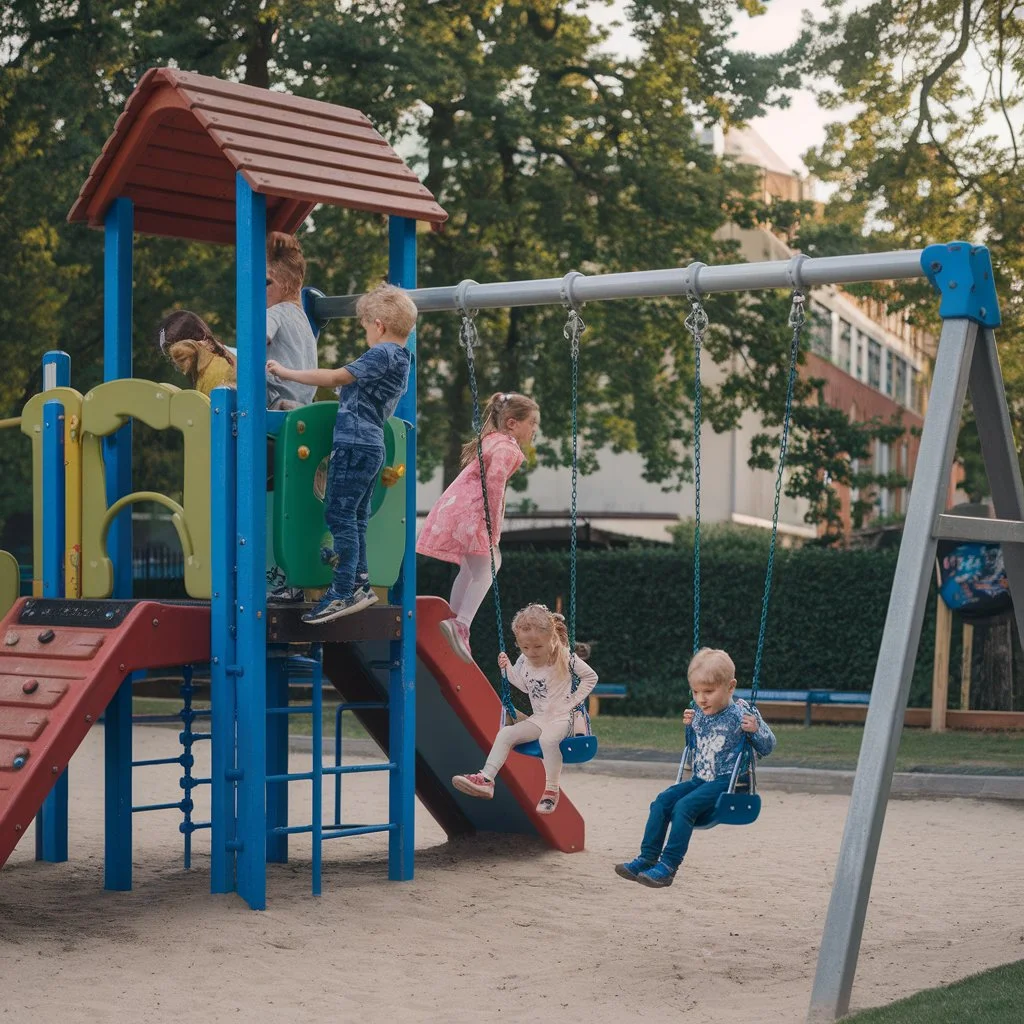
Parents may consider seeking professional advice if a child consistently avoids others, appears distressed, or struggles to build any peer relationships over time. Signs such as ongoing difficulty making friends, intense separation anxiety, or distress during group activities may benefit from additional support. Early guidance can help children develop confidence and comfort in social settings, preventing challenges from affecting learning or self-esteem later on.
Conclusion
When children avoid group play, it is often a reflection of temperament and developmental stage rather than a problem. Many children thrive through independent play while gradually building social confidence in their own time. Understanding this helps parents respond with patience and reassurance. Occupational therapy support for children who struggle to sit still and maintain desk posture can help address the underlying strength, coordination, and sensory regulation needs that affect both learning and social participation. Book an appointment with PT Kids to discover personalised therapy solutions that support your child’s development with care and expertise.