
Introduction
Many UK parents start to wonder why babies skip crawling, especially when friends’ children seem to move through the milestone with ease. Crawling is often seen as a natural step in early development, yet not every baby follows the same pattern. Some show little interest in being on the floor, while others prefer pulling up or walking early. Understanding the reasons behind this and knowing when extra help could make a difference gives families clarity and confidence. At PT Kids, we support babies who need a little more encouragement to develop the movement patterns that lay the foundation for long-term development.
Why Some Babies Skip Crawling
Several factors influence why some babies skip crawling altogether. Some enjoy being upright and are naturally drawn to standing or cruising along furniture. Others may avoid the crawling stage because they find tummy play challenging or uncomfortable, which limits opportunities for early strength-building. Busy household routines can also mean babies spend more time in seats, prams, or jumpers, giving them fewer chances to explore the floor.
While this variation can be part of typical development, occasionally a skipped crawling stage reflects a baby motor milestone delay, weaker core muscles, or a preference for one side of the body that makes crawling feel difficult. Parents often notice their child goes straight to walking, leading them to wonder, “Can babies skip crawling and go straight to walking?” The answer is yes, they can, but it is worth understanding whether this choice is purely a developmental preference or linked to hidden challenges.

Is It Normal for Babies to Skip Crawling?
Some babies do progress without this stage and still develop good overall movement skills. Crawling supports key areas such as core strength, shoulder stability, coordination, and balance. UK health visitors consider these patterns during routine development reviews because early crawling helps prepare babies for sitting securely, transitioning smoothly between positions, and exploring their environment confidently.
Why Crawling Matters for Early Development
Crawling contributes far more than simply moving across the room. It encourages cross-lateral movement development, where opposite sides of the body work together. This pattern is vital for later skills such as running, climbing, reading, and writing. Each action strengthens the shoulders, arms, hands, and torso, helping babies build stability they will eventually use for tasks requiring focus and endurance, including handwriting at school or participating confidently in PE lessons.
Crawling also supports spatial awareness and early problem-solving. As babies navigate obstacles, change direction, and adjust their position, they develop coordination and balance in a way that no other stage replaces exactly. When babies miss this opportunity, small gaps in strength or motor planning may show up later, particularly in fast-moving nursery environments where movement skills are a big part of daily play.
Signs Your Baby May Need Extra Support
Parents often notice subtle behaviours long before a delay becomes obvious. Certain signs suggest a baby may benefit from additional guidance to develop movement patterns linked to crawling milestone support. These include limited tolerance for tummy time, difficulty bearing weight through their arms, stiffness or floppiness in the body, or relying heavily on one side during early movements. Babies who avoid transitions such as rolling, pushing up, or shifting into a sitting position may also be showing early indicators of a crawling milestone delay.
When these signs appear, seeking advice provides reassurance and helps families understand what their baby needs to feel more capable and supported during movement.
Encouraging Crawling at Home
Small, consistent opportunities often make the greatest difference. Babies benefit from regular floor play that gives them space to move freely. Short and frequent tummy time sessions help build strength without overwhelming them, and placing favourite toys just out of reach can motivate forward movement. Some families find that gentle support around the chest or hips helps babies understand how to shift their weight and explore new positions.
These early experiences boost confidence and help babies discover that being on the floor is enjoyable. Over time, these moments create strong foundations for crawling and later movement skills.
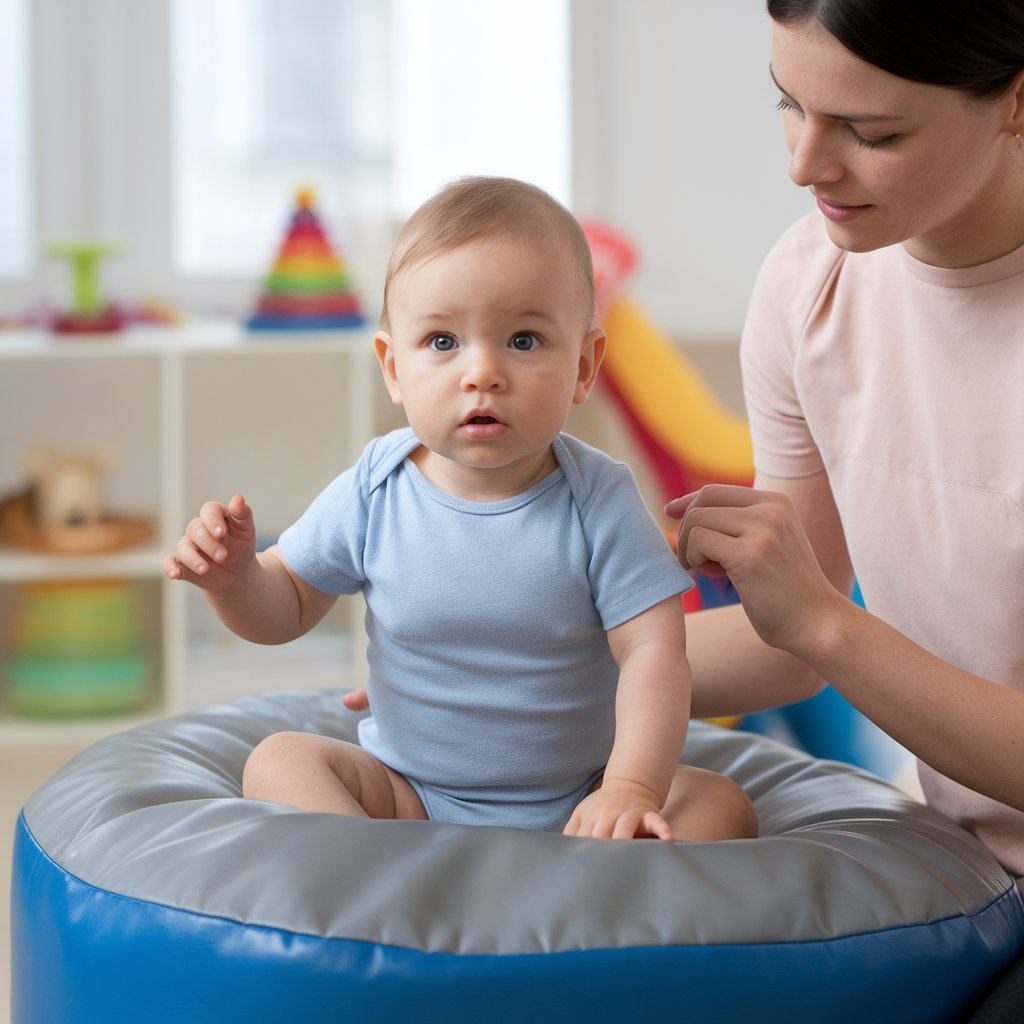
How Paediatric Physiotherapy Helps Babies Who Skip Crawling
Paediatric physiotherapy plays a valuable role when babies skip crawling or show signs of delayed progression. At PT Kids, therapists use gentle, child-led assessments to understand your baby’s strength, movement patterns, tone, and coordination. Treatment is always tailored to the individual child. Some babies need help tolerating tummy time, while others require strengthening exercises to support arm weight-bearing or improve postural control. Parents are guided on how to encourage movement during everyday routines, so progress feels natural and achievable.
Conclusion
Crawling is just one part of a baby’s development, yet it plays a powerful role in building the strength, balance, and coordination they need for future skills. When a baby skips this stage, early support can make a meaningful difference to their confidence and physical development, particularly if they begin to experience frequent falls as they become more mobile. PT Kids offers warm, personalised physiotherapy that helps babies feel more secure in their movement and supports families through each stage of their child’s growth.
Book an appointment today to explore supportive, child-centred physiotherapy tailored to your baby’s developmental needs.


